Uasin Gishu Leaders Advocate for Smooth Transition as USAID Scales Down HIV/AIDS Support
The county officials underscored the need for a gradual, well-planned withdrawal to prevent interruptions in life-saving services.

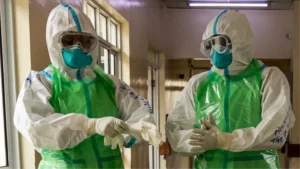
Uasin Gishu leaders call for a sustainable HIV/AIDS program transition as USAID winds down operations. Photo/UG County.
By Robert Assad
Uasin Gishu County leaders are urging a structured and sustainable transition of HIV/AIDS programs as the United States Agency for International Development (USAID) begins winding down its operations in the region.
The move, part of a broader shift in U.S. foreign aid policy, prompted the county government to hold a strategic meeting with USAID officials, led by Jeff Lewer, to assess the continuity of vital health services, particularly those related to HIV/AIDS prevention and treatment.
County Executive for Health Services Dr. Abraham Serem confirmed the county’s readiness to handle the transition.
“We have already developed and are rolling out mitigation strategies, including service integration and long-term sustainability plans,” Dr. Serem stated.
Nevertheless, he voiced concern about a potential rise in HIV cases among young people, a group previously reached through robust sensitization initiatives supported by USAID’s main partner, AMPATH.
Chief Officers Dr. Paul Wangwe (Preventive and Promotive Health) and Ambrose Tarus (Administration) praised AMPATH’s pivotal contributions to regional healthcare.
“Without AMPATH’s involvement, the situation could have been much worse. Their support has significantly improved health outcomes and quality of life for our people,” they noted.
The county officials underscored the need for a gradual, well-planned withdrawal to prevent interruptions in life-saving services. They cautioned that an abrupt end to donor funding could undo years of progress in combating HIV/AIDS.
Uasin Gishu County reaffirmed its commitment to maintaining continuity of care by engaging in strategic planning and working closely with current partners to ensure no patient is left behind.
About Author