The 12-month programme, titled Tupigane na Ufisadi (TUNU), is being implemented under the broader EU-supported project, “Strengthening Capacities of Local Civil Society to Fight Corruption.”
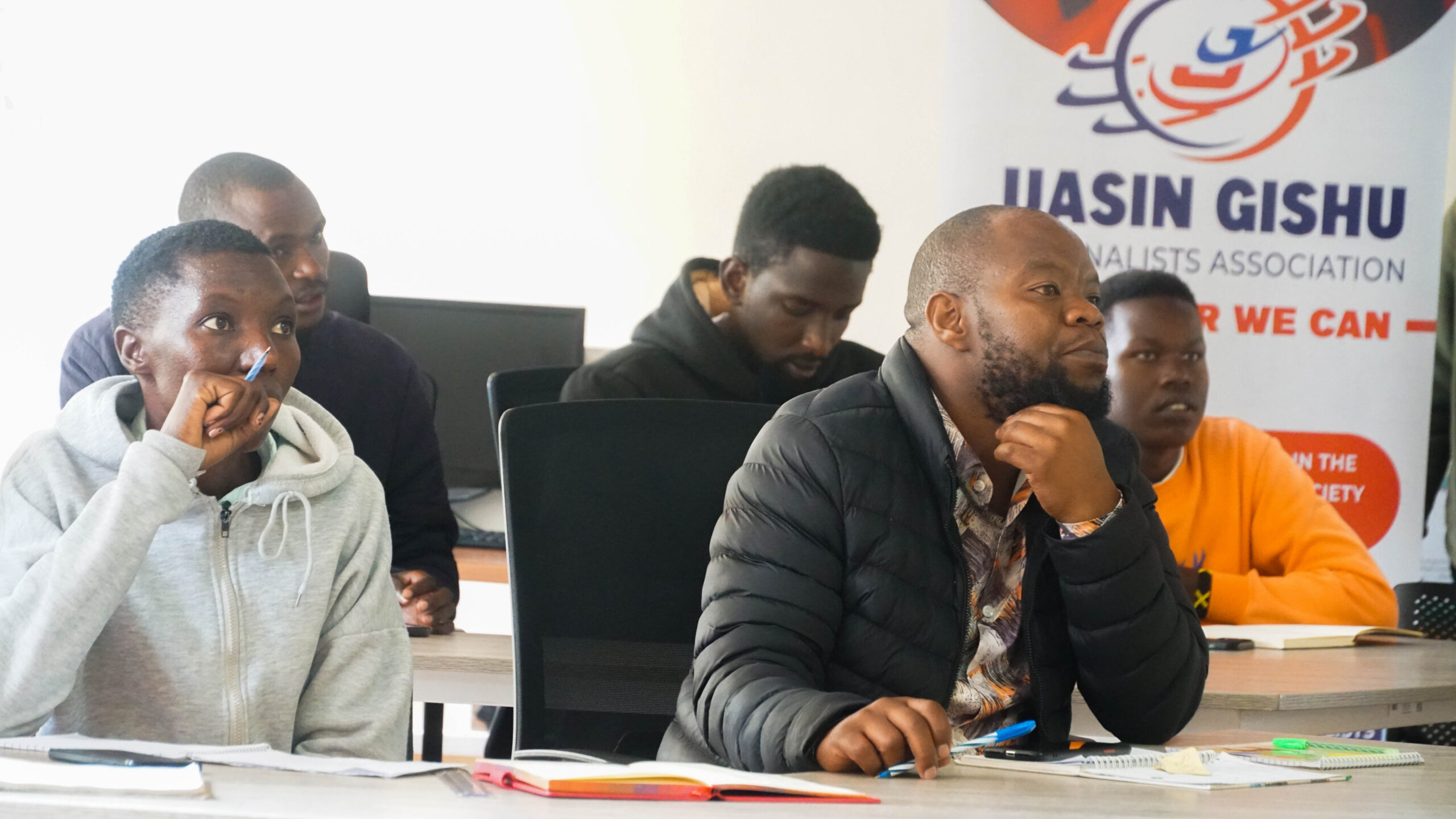
Members of the Uasin Gishu Journalists Association led by Chair James Gitaka alongside Programs Lead Ibrahim Too during the launch of the "Tupigane na Ufisadi" program, officially presided over by Joseph Mecha. Photo by Mahlon Lichuma.
By Ruth Sang
The Uasin Gishu Journalists Association (UGJA), a registered media organization based in Uasin Gishu County, has been selected as an implementing partner in a European Union-funded anti-corruption initiative targeting youth in tertiary institutions.
The 12-month programme, titled Tupigane na Ufisadi (TUNU), is being implemented under the broader EU-supported project, “Strengthening Capacities of Local Civil Society to Fight Corruption.” The initiative operates through a Financial Support to Third Parties (FSTP) framework aimed at strengthening grassroots civil society engagement in the fight against corruption.
Rollout in Uasin Gishu Institutions
In Uasin Gishu County, the program will be implemented at:
Moi University (Main Campus)
University of Eldoret (Main Campus)
Eldoret National Polytechnic
The project seeks to establish and strengthen integrity clubs in tertiary institutions as structured platforms for promoting ethical leadership, social accountability, and youth-driven anti-corruption advocacy.
Intensive Training of Rapporteurs
The program officially commenced with the training of rapporteurs who will coordinate institutional implementation and oversee integrity club activities.
UGJA Programs Lead Ibrahim Kiplagat said the rapporteurs have undergone extensive technical training conducted by officers from the Ethics and Anti-Corruption Commission (EACC), Transparency International Kenya, and the Media Council of Kenya.
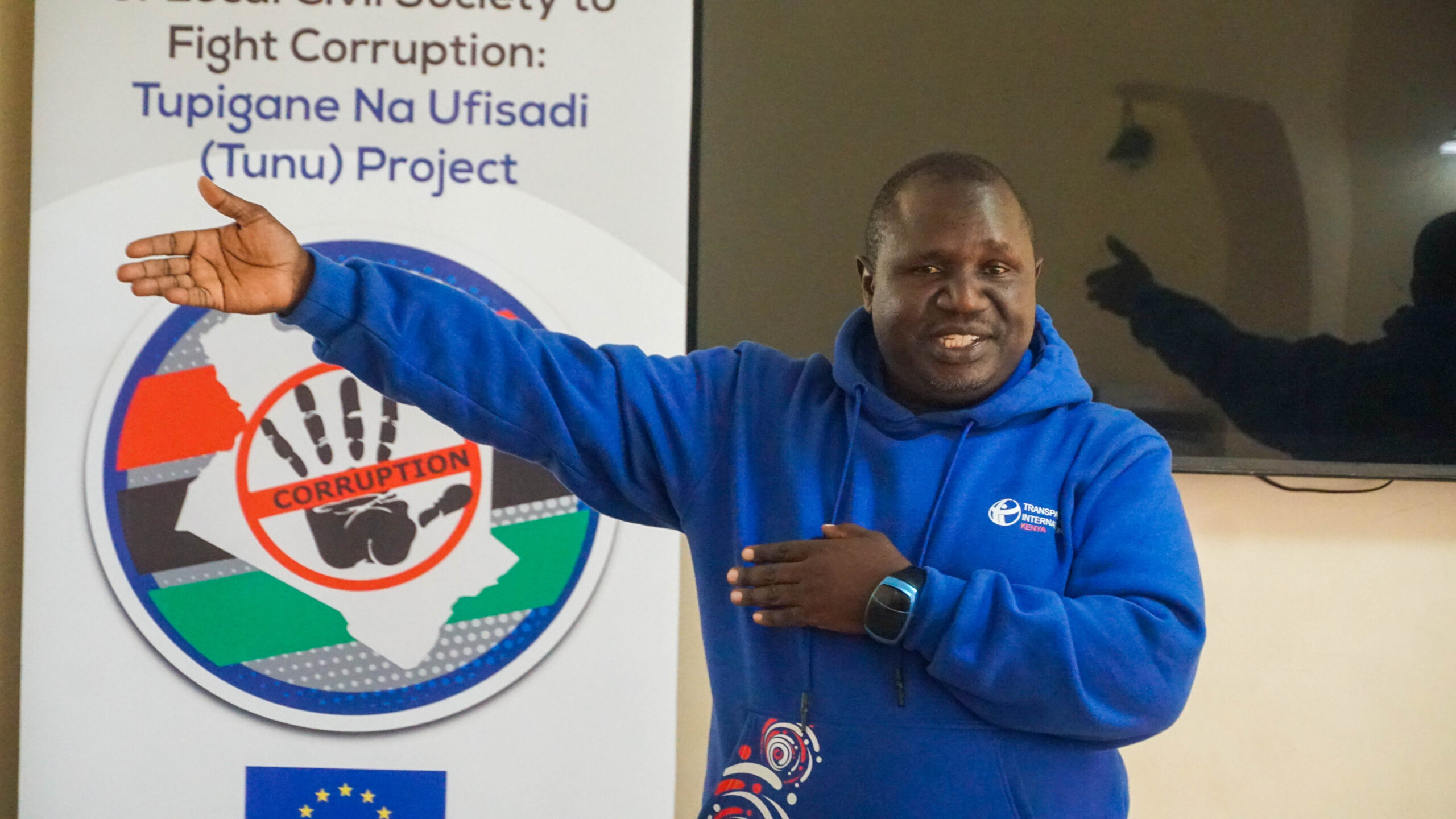
Among the facilitators was Joseph Mecha, the North Rift Coordinator for the Media Council of Kenya, alongside Tom Juma, North Rift Regional Representative for Transparency International Kenya.
“The rapporteurs have been thoroughly trained by officers from EACC, the Media Council of Kenya, and Transparency International to ensure they are well equipped to guide integrity clubs effectively,” Kiplagat said.
“They now have practical skills in corruption prevention, ethical leadership, social accountability mechanisms, and fact-checking.”
Kiplagat noted that the EACC provided technical guidance using its official integrity training manual, which will form the foundation of activities within the clubs.
Program Activities
Under the Integrity Clubs and Mentorship Program, activities will include:
Establishing and strengthening integrity clubs in universities and tertiary institutions;
Training youth on corruption prevention, ethical leadership, and social accountability based on the EACC manual;
Developing creative learning materials to support training sessions;
Building advocacy skills such as debating, writing, and public presentation;
Designing inclusive frameworks to ensure participation of youth with disabilities;
Conducting mentorship training on coaching techniques, effective communication, and conflict resolution;
Rolling out public awareness campaigns through radio programs, print media, and community outreach initiatives.
Promoting Accountability and Civic Engagement
Tom Juma of Transparency International Kenya said the initiative aligns with broader efforts to institutionalize anti-corruption values among young people.
Tom Juma, a representative of Transparency International Kenya. Photo by Mahlon Lichuma
“Through the TUNU project and integrity clubs, working together with UGJA, we want young people to grow up understanding the importance of transparency and accountability,” Juma said.
“Public funds affect projects in their communities. This program equips them with tools such as community scorecards and social accountability mechanisms to demand responsible governance.”
Joseph Mecha, North Rift Coordinator at the Media Council of Kenya, emphasized the importance of ethical communication.
“Young people must be trained not only to fight corruption but also to responsibly handle information, counter misinformation and disinformation, and uphold professional standards in communication,” Mecha said.
Timely Intervention Ahead of 2027 Elections
Kiplagat described the program as particularly timely as the country prepares for the 2027 General Election.
UGJA Programs Lead Ibrahim Kiplagat. Photo by Mahlon Lichuma
“Equipping youth with fact-checking skills and ethical leadership principles is critical, especially during election periods when misinformation can easily spread,” he said.
Naomi Cheruiyot, one of the trained rapporteurs, said the initiative will have lasting impact within institutions and communities.
“Integrity discussions at the grassroots level are vital because young people are the future of this country. The clubs will create long-term benefits and empower students to champion accountability,” she said.
Strengthening Local Accountability Systems
The collaboration between UGJA, integrity institutions, and civil society actors underscores a growing recognition of the role educational institutions play in shaping governance culture.
Through the EU-funded Tupigane na Ufisadi programme, UGJA aims to strengthen youth participation in governance processes, nurture ethical leadership, and reinforce collaboration between media and civil society in combating corruption in Uasin Gishu County.
The initiative is expected to enhance accountability frameworks within tertiary institutions while positioning young people as active participants in promoting transparency and integrity.
Eldoret Media Hub, a working space for journalists based in Uasin Gishu County set up by the Uasin Gishu Journalists Association (UGJA) through a Media Council of Kenya (MCK) grant.
The facility was officially opened in August 2021 by the MCK Chief Executive Officer David Omwoyo.