The Kenya Agricultural and Livestock Research Organization started Open Mkulima Week by promoting climate-smart farming through its programs.
I have learned how to grow protein supplements at home. She said that implementing the exhibition content would lead to better dairy farming results.
By Ruth Sang
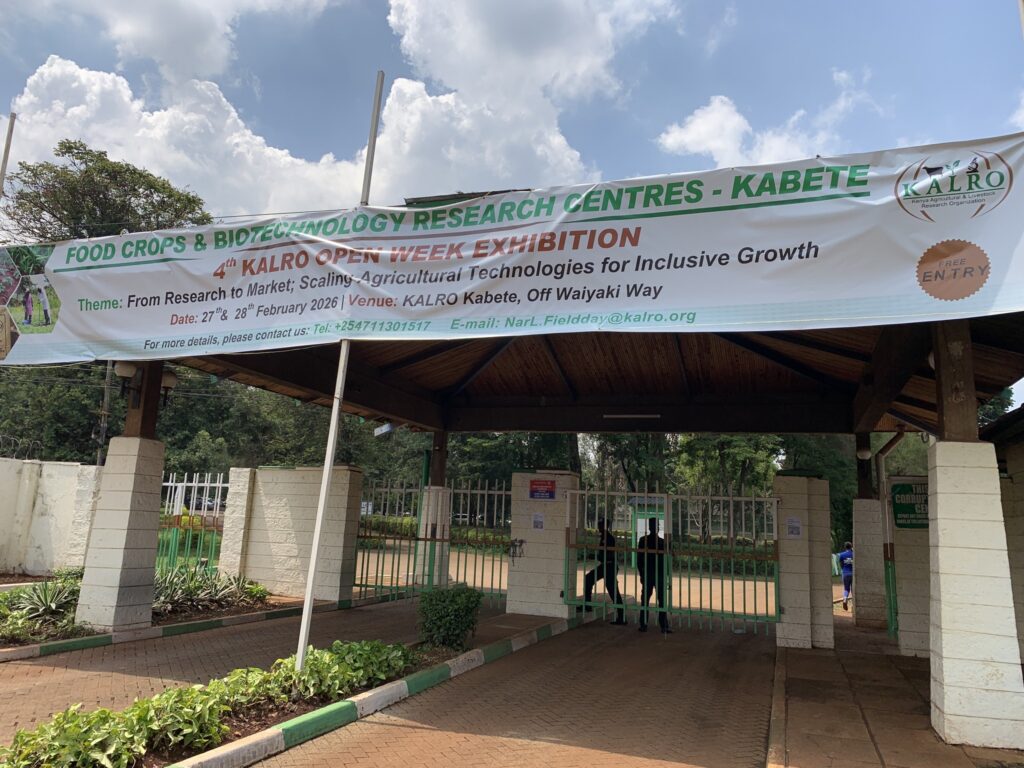
The 4th Annual Open Mkulima Week at the National Agricultural Research Laboratories in Kabete attracted over 5000 farmers from Kiambu County and other areas.
Farmers utilized the two-day exhibition at the research facility to access knowledge-sharing activities which brought them together with scientists and policymakers and agribusiness stakeholders to examine new technologies for better food production and increased farm revenues.
The event took place after Cabinet Secretary for Agriculture and Livestock Development Mutahi Kagwe presided over its opening ceremony to announce that the government will transform agricultural research results into practical farm benefits.
Bridging Research and the Farm
The Open Mkulima Week of this year focused on reducing the distance between laboratory research and its practical use in farming. KALRO showcased Climate Smart Agriculture (CSA) technologies, precision farming solutions, and improved seed varieties tailored to help farmers raise yields while reducing production expenses.
Research findings must be shared with farmers according to KALRO Director General Eliud Kireger.
He said that farmers will benefit from our research development from drought-resistant seed varieties to digital pest surveillance systems which protect crops from various threats.
Partners Reaffirm Support
The Food Security Consortium and the Japan International Cooperation Agency (JICA) and the World Bank will continue to support agricultural transformation projects which young agripreneurs lead according to development partners.
The Food Security Consortium representative stated that the organization will start its operational phase after completing its discussion phase. “We want to see technologies such as high-yielding coffee seedlings and improved maize varieties adopted at farm level,” the representative said.
Call for Value Addition
Private sector leaders also challenged farmers to look beyond primary production. KNCCI President James Mwaura urged farmers to adopt value addition practices.
“The real profit lies in processing. Instead of selling raw maize, farmers should consider milling and packaging. Our research institutions should evolve into trade hubs that showcase high-value products to local and international markets,” he stated.
Addressing Emerging Challenges
The exhibition data demonstrated that urban development in Kiambu County causes increased pressure on agricultural lands. The stakeholders acknowledged that decreasing land area has harmed profitability so they recommended vertical farming and hydroponic systems as methods to generate maximum output from limited land area.
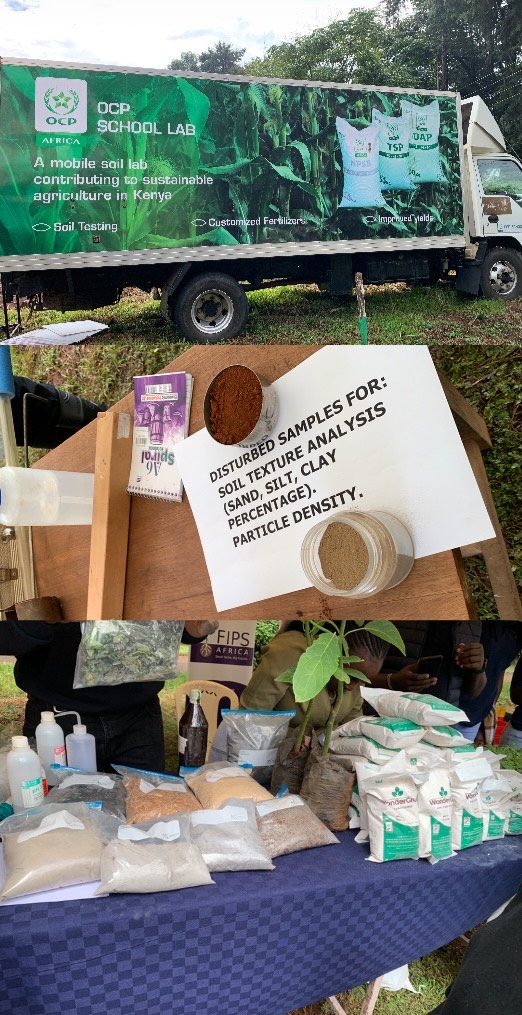
The demonstration presented soil testing kits together with organic bio-fertilizers to promote sustainable practices of soil management and their effect on declining soil fertility from chemical fertilizer application which has continued for multiple years.
The unpredictable rainfall patterns that occur in Githunguri and Limuru have created complications for farmers to determine their planting times. Farmers should plant drought-resistant seed varieties which include the new SC maize series to build resilience against these circumstances.
Farmers Gain Practical Skills
The exhibition provided participants with practical advantages that they could use immediately after attending. Mary Njeri, a dairy farmer from Kikuyu Ward, said she gained new insights into producing high-protein fodder.
“I spend around half of my income on commercial feeds. I have learned how to grow protein supplements at home. She said that implementing the exhibition content would lead to better dairy farming results.
The exhibition demonstrated 716 demonstrations based on 180 trainers who provided practical training in dairy production and poultry production and crop production across different agricultural value chains.
The participants left the event with a positive outlook because they believed that KALRO’s technology solutions together with its partnerships would help them increase productivity and income while securing food supply despite both land reduction and climate change challenges.
About Author