NOREB, NSDCC Rally Men in Fight Against HIV, GBV and Health Inequality
Faith-based institutions were also recognized as crucial allies, with calls for them to partner with health authorities in tackling drug abuse and harmful social practices.

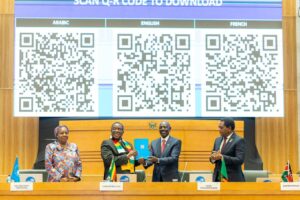
NOREB and NSDCC urge greater male involvement in addressing HIV, GBV, and mental health at Uasin Gishu conference. Photo/UG County.
By Robert Assad
The North Rift Economic Bloc (NOREB), in partnership with the National Syndemic Diseases Control Council (NSDCC), held a high-level conference in Uasin Gishu County on Monday, urging for greater male involvement in addressing HIV, gender-based violence (GBV), and mental health.
The forum, attended by leaders from various North Rift counties, highlighted the pressing need to include men in national health conversations traditionally dominated by women.
Representing the Principal Secretary for Medical Services, David Mtambo emphasized that men’s health is a community issue. “Poor access to healthcare for men undermines national efforts in tackling syndemic diseases,” Mtambo stated, citing 2023 data showing that men made up 28% of HIV-related deaths.
Mtambo also reiterated the government’s “triple threat” framework, which focuses on HIV, teenage pregnancy, and sexual and gender-based violence. He called for urgent, inclusive interventions to address these interconnected challenges.
Elgeyo Marakwet Governor Wesley Rotich called for a societal overhaul, describing current health and social trends as “rotten.” He urged religious and cultural leaders to help reshape public attitudes, particularly among young men.
NSDCC Acting CEO, Bosire, called on men to become active agents of change. “Your leadership can transform your communities. We must raise a generation of men who believe in strength, dignity, and equal access to health,” he said, announcing plans for a national strategy on men’s health to be implemented at the county level.
Professor Sylvester Kimaiyo, Chief of Party at Ampath Uzima, challenged men to take responsibility for their health. “We’ve been fighting HIV for 22 years. It’s time for men to step up with voluntary testing and treatment,” he urged.
Local leaders including Uasin Gishu Health Committee Chair Hon. Rebecca Magut, and MCAs David Tarus and Patrick Kiptoo stressed the need for stronger grassroots policies and inter-county cooperation.
“Forums like this are vital to raise awareness among men and boys,” Magut noted, receiving strong public support.
One key resolution was the integration of Taifa Care and Digital Health Architecture (DHA) with the Social Health Authority (SHA) systems to streamline patient care, especially in underserved regions.
Faith-based institutions were also recognized as crucial allies, with calls for them to partner with health authorities in tackling drug abuse and harmful social practices.
About Author