Trump Warns Israel Against Further Escalation, Signals Risk of Facing Iran Without US Backing
President Donald Trump has reportedly cautioned Israel that continued military attacks could leave it facing Iran without direct US support. The warning highlights Washington’s push for diplomacy and de-escalation amid growing concerns over a wider Middle East conflict.
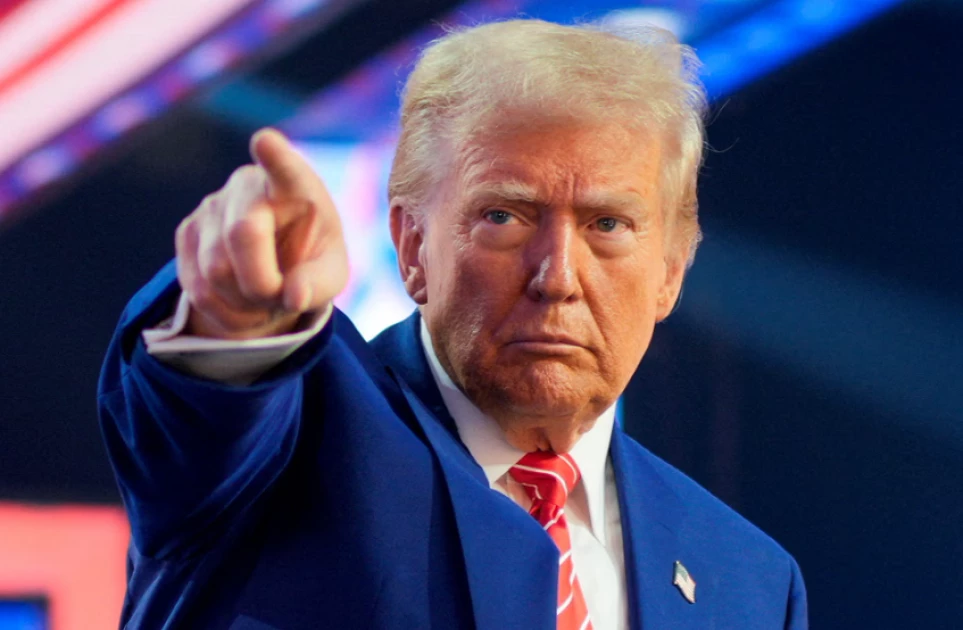
U.S. President-elect Donald Trump. Photo/Courtesy
By Yvone Jeptarus
United States President Donald Trump has reportedly told Israeli Prime Minister Benjamin Netanyahu to slow down on more military action, basically warning that if attacks keep going, Israel could end up dealing with Iran without the kind of direct American support people usually expect.
From what the reports say, Trump pressed Netanyahu to “be careful,” and he emphasized that any new escalation might end up damaging the existing push to hold a ceasefire, while also moving forward with diplomacy in the area. It’s like, preserve the calm first, then talk.
This warning seems tied to a bigger mood inside Washington right now, that continued military operations might mess up the diplomatic lines of communication aimed at cutting tensions and stopping a wider regional conflict from taking off.
“The priority remains de-escalation and diplomacy,” sources who were familiar with the discussions indicated, and that wording is being read as the US trying hard to avoid getting pulled into yet another major confrontation in the Middle East.
Neither the White House nor Netanyahu’s office has publicly commented on the reported back-and-forth. Still, Trump’s remarks are being treated as a pretty clear signal that Washington may not automatically back additional military action if Israel carries out new attacks.
Israel has, of course, repeatedly said that Iran’s nuclear programme and broader regional activities are a major security threat. But the reported caution also points to a Trump administration preference for diplomatic engagement, rather than more military escalation.
“Continued restraint is essential if diplomatic efforts are to succeed,” analysts say, adding that both Washington and Jerusalem are under pressure to keep tensions from spiralling into something larger.
Some observers believe the development reflects rising differences between the United States and Israel about what the best approach is for handling regional security while also keeping stability intact.
Diplomatic sources also suggest that future American support could hinge on whether Israel is willing to reduce military operations and then participate in negotiations, possibly through internationally backed mediation efforts.
And as regional tensions remain high, global leaders are still watching closely, because many believe that any further escalation could cause far-reaching consequences across the broader Middle East.
About Author