Civil Society Groups Push for Greater Budget Transparency and Project Accountability in Uasin Gishu and Baringo
Stakeholders have praised Uasin Gishu’s rise to seventh place in the County Budget Transparency Survey but warned that delayed and stalled projects remain a major challenge despite increased public participation and access to information.
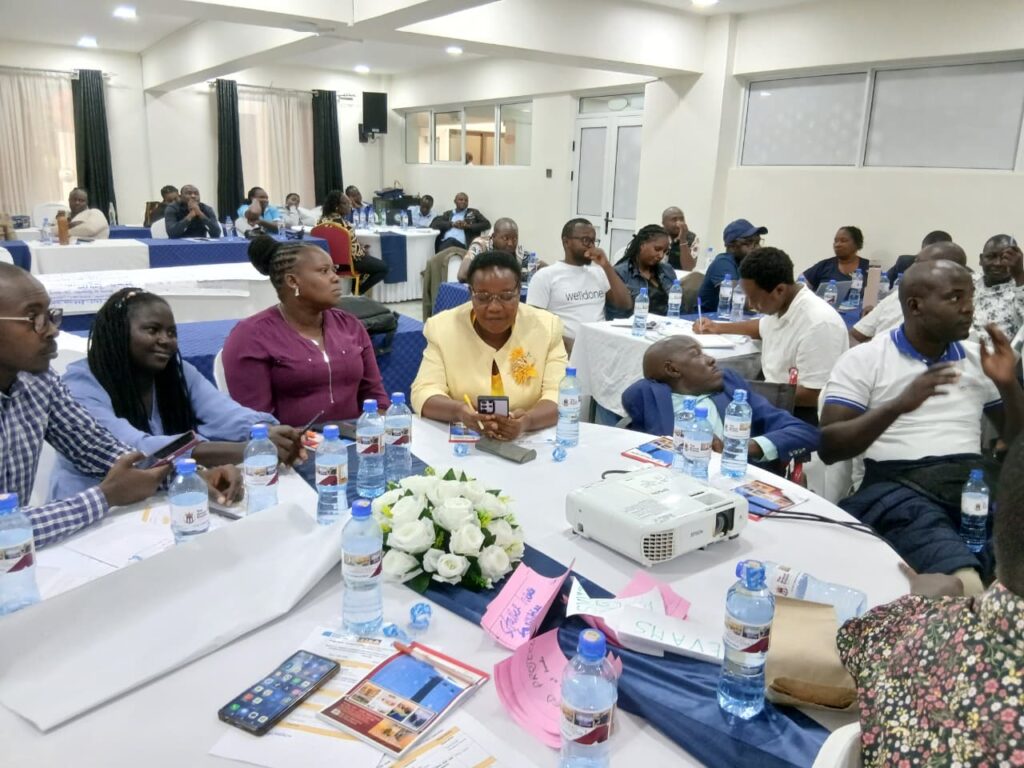
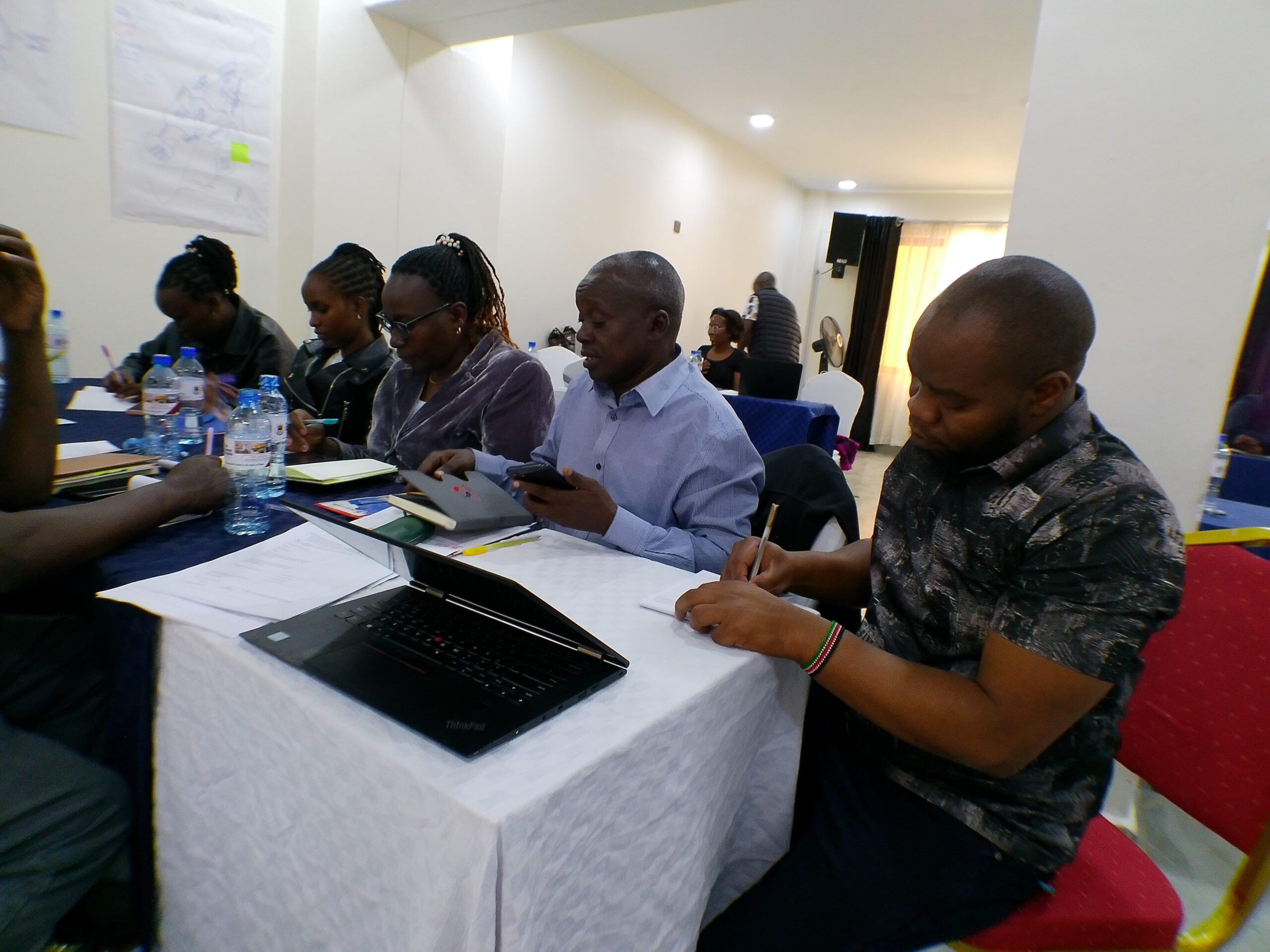
Civil society groups from Uasin Gishu and Baringo have called for stronger accountability in county projects, saying citizens should play a greater role in monitoring how public funds are spent. Photo by Henry Bitok
By Ruth Sang
Civil society organizations from Uasin Gishu and Baringo counties have called for enhanced transparency, accountability and citizen involvement in the implementation of county development projects.
Speaking during a joint stakeholders’ forum, representatives from the two counties said the meeting was part of ongoing efforts to place citizens at the center of budgeting, implementation and monitoring of county projects.
“We have gathered to assess the level of implementation of county-funded projects, identify gaps that have led to delays, stalled projects and rollover of funds, and find solutions to these challenges,” said the Chairperson of the Baringo Civil Society Organisation.
The stakeholders reviewed projects outlined in governors’ manifestos, County Integrated Development Plans (CIDPs), Annual Development Plans and annual county budgets.
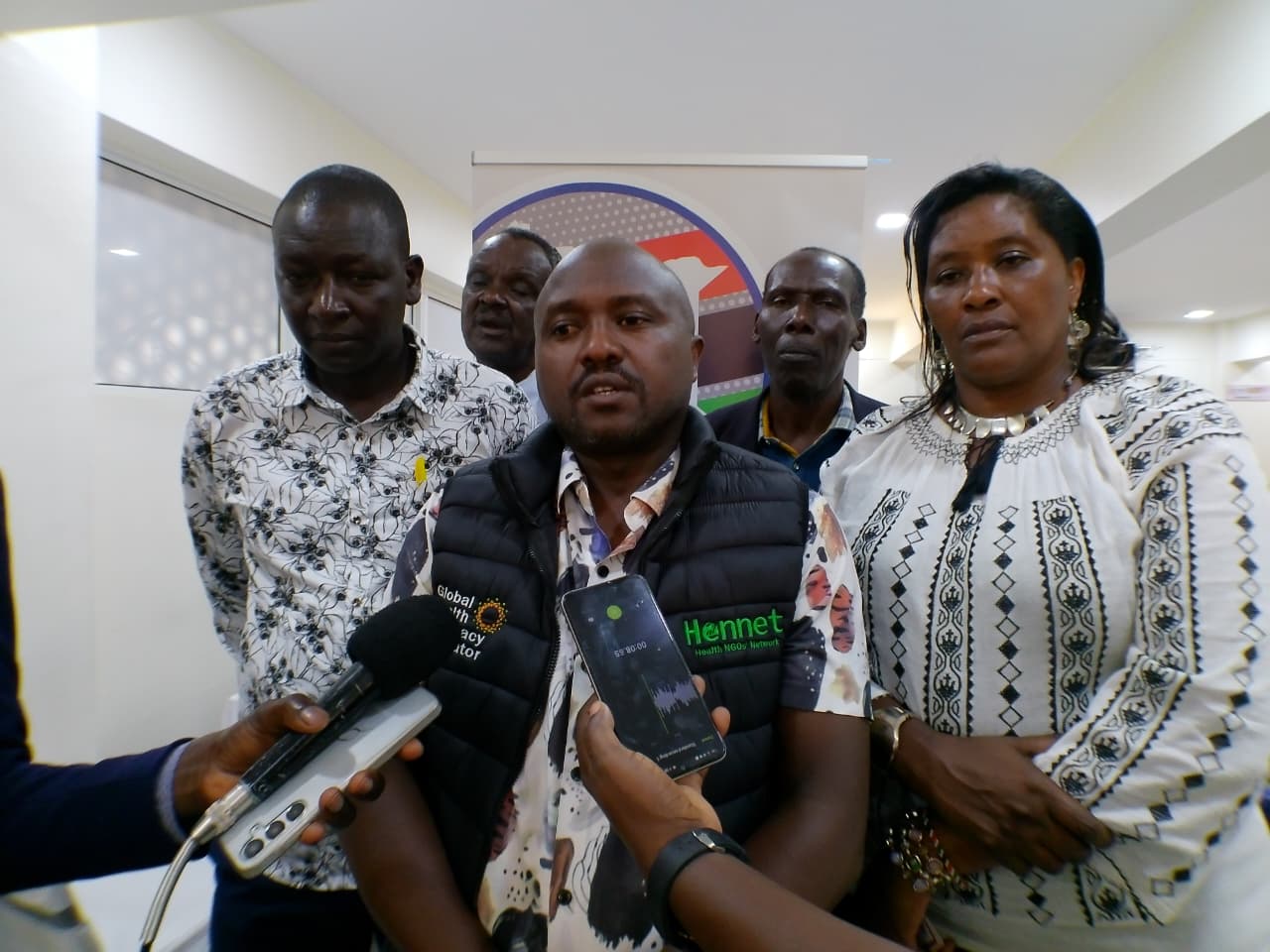
According to the civil society leaders, although counties have made progress in establishing governance systems, many projects prioritized by citizens remain incomplete or cannot be traced on the ground.
“One of the issues that has emerged clearly is that many projects continue to appear in county budgets year after year, yet citizens cannot trace them on the ground,” the chairperson said.
Participants cited procurement procedures as one of the major factors slowing down project implementation.
“We started with open tender processes, moved to IFMIS, and now we are using the electronic government procurement system. While these reforms are meant to improve accountability, counties have struggled to keep pace with the new requirements, leading to delays in project completion,” he explained.
The forum also highlighted challenges related to limited technical capacity, inadequate staffing and weak systems at county and ward levels.
“Counties still struggle with technical capacity, staffing levels and systems at the grassroots. This affects their ability to absorb and effectively utilize resources allocated by the national government,” he noted.
Civil society actors further expressed concern over low citizen participation in monitoring projects after budgets are approved.
“Citizens actively participate in identifying priorities, but their ability to track implementation remains low. This has created frustration because people keep raising the same issues year after year without seeing results,” the stakeholders observed.
They urged county governments and development partners to strengthen mechanisms that enable residents to monitor projects and public spending.
“We call upon all authorities and stakeholders to bring citizens to the center not only of budgeting but also implementation and monitoring of development projects,” the chairperson said.
Uasin Gishu’s Transparency Ranking Praised
The stakeholders also welcomed improvements recorded in the County Budget Transparency Survey, saying the initiative has encouraged counties to provide timely and accessible information to the public.
They noted that Uasin Gishu County had significantly improved its performance, rising from position 42 in previous years to seventh place in the latest ranking.
“We have seen Uasin Gishu move from position 42 to position seven. This is a result of deliberate efforts to publish information, strengthen public participation and proactively engage citizens,” said one of the speakers.
According to the stakeholders, the improved ranking means residents can now more easily access budget information and monitor the implementation of projects.
“It means wananchi can readily access information, track projects and follow how public resources are being used because that information is available through county websites, public participation forums and government offices,” he added.
A county representative attributed the achievement to sustained engagement between civil society groups and county leadership.
“We thank the Governor for listening to the concerns raised by citizens. Through continuous engagement with county officials, ministers and directors, transparency has improved significantly,” he said.
He added: “Initially we were ranked 42nd, then moved to 22nd, and now we are seventh. Citizens can now visit the county portal, track projects and see how far implementation has gone.”
Call for Support in Handling Unclaimed Bodies
The forum also heard concerns over the growing number of unclaimed bodies in hospitals and mortuaries.
Speaking during the meeting,Agatha Mukami of the defenders Coalition called for support to facilitate the dignified disposal of unclaimed bodies.
“There are many unclaimed bodies that cannot be laid to rest because of financial challenges. We are appealing for support to ensure these individuals receive dignified burials,” she said.
She noted that disposing of an unclaimed body can cost about KSh10,000 and urged relevant authorities to provide resources to support the process.
About Author