Government sticks to school calendar even while cases of student unrest are rising
Education officials say learning continues uninterrupted in most institutions, while additional quality assurance officers have been deployed to address emerging concerns and strengthen discipline.
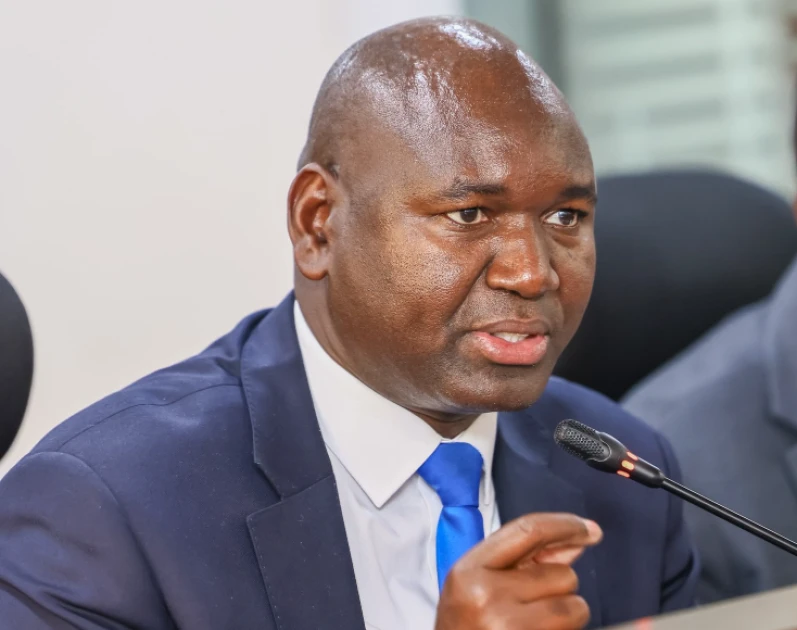
Basic Education PS Julius Bitok Photo/Courtesy
By Zuriel Midambo
The government has shrugged off renewed calls to tweak the current academic timetable , despite a spate of reported incidents of student unrest in several schools around the country.
The Ministry of Education says learners will still take the scheduled half-term break on June 24, adding that the whole thing is under control in most learning institutions , and it’s not as wide spread as some people are making it sound.
In an interview on the issue, Basic Education Principal Secretary Julius Bitok said the unrest has touched only a tiny slice of schools, so it should not disrupt the national education programme.
“We are not going to move the school calendar because of a few isolated happenings. Learning is going on smoothly in the vast majority of schools,” Bitok said.
The ministry reports that about 80 schools have recorded cases of unrest out of over 9,500 learning institutions across the nation.
Bitok further said that more than 99 percent of learners remain in class , and continue with regular academic activities without any interruption.
“Changing the school calendar would harm millions of students who are not involved in the unrest,” he added.
To deal with what is emerging, the Ministry of Education has dispatched another 400 quality assurance officers to schools nationwide, mainly to review what is happening and pinpoint the causes behind the disturbances.
These officers are expected to work hand in hand with school administrators, teachers, and learners so they can strengthen discipline , and improve the general learning atmosphere.
Bitok also urged school managers to tighten communication and student engagement, stressing that concerns should be handled early before they grow into full blown conflicts.
“School management should listen to learners and resolve issues early before they become larger disputes,” he said.
Education stakeholders have tied the student unrest to many drivers , including academic pressure , heavy handed disciplinary action, poor communication channels, substance abuse , and mental health strain.
With schools still wrestling with these matters, parents, teachers, and education specialists are pushing for stronger guidance and counselling programmes, so learners get support and peace is maintained inside learning institutions.
Experts insist that more psychosocial backing , plus open dialogue between students and school administrators , could be a crucial piece in preventing future flare ups and creating a calmer environment for learning.
About Author