PS Omollo: Proper Management of Natural Resources Crucial in Preventing Conflicts
He stressed that protecting forests and other natural resources should now be considered an essential component of maintaining national stability.
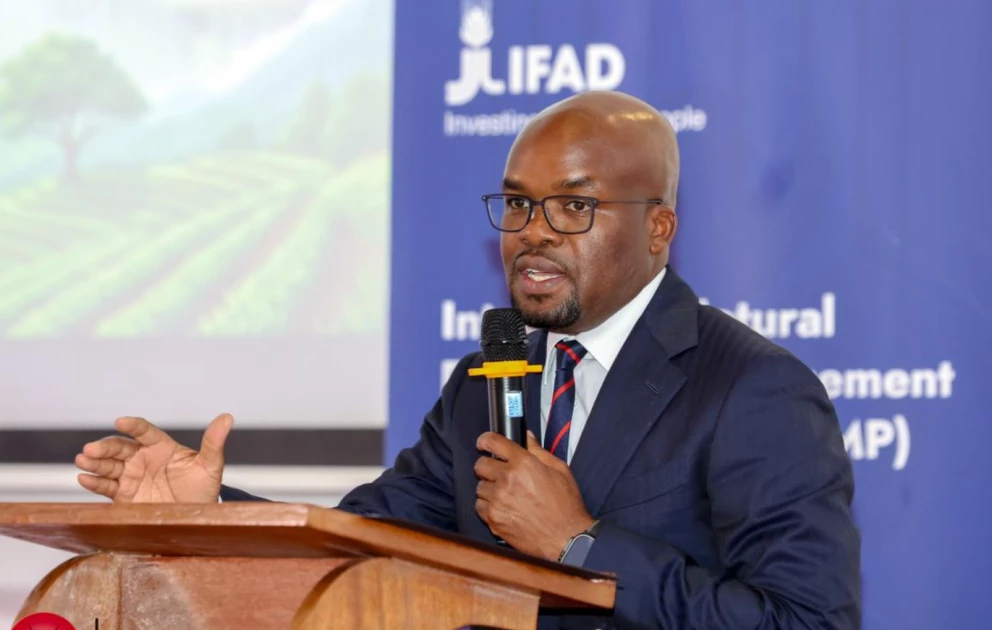
Interior PS Raymond Omollo speaks during a start-up workshop for the Integrated Natural Resource Management Programme (INReMP) on Mach 10, 2026. Photo/ Courtesy
By Ruth Sang
Dr. Raymond Omollo who serves as Principal Secretary for Internal Security and National Administration has identified natural resource protection and responsible use as critical elements that enhance national security.
Dr. Omollo made the remarks on Tuesday while speaking in Eldoret during a start-up workshop for the Integrated Natural Resource Management Programme (INReMP). The meeting brought together senior officials from the ministry to discuss the role of sustainable resource management in promoting stability and development.
Link Between Natural Resources and Security
The Principal Secretary demonstrated how contemporary security management methods extend beyond their historical mission of preserving public order. He said current governance and security strategies must also incorporate environmental protection and the responsible utilization of natural resources.
The competitive struggle for land water resources forests fisheries grazing areas has historically created conflicts across various regions of the country according to Dr. Omollo.
The State Department has handled law enforcement duties in the past but current circumstances demonstrate that environmental conservation needs to become a national security matter.
Climate Change and Resource Pressure
The PS further warned that climate variability, environmental degradation and increasing pressure on natural resources are making security challenges more complex in some regions.
When ecosystems face damage or depletion of their resources the resulting situation forces communities into resource scarcity situations. The lack of resources creates economic obstacles which endanger community survival and result in disputes among different groups.
He specifically mentioned disputes involving pastoralist communities in arid and semi-arid areas. The competition for water and pasture during extreme droughts results in armed confrontations that arise from conflicts over cattle and their future for food.
Need to Protect the Environment
Dr. Omollo called on security officers and government administrators to intensify efforts to curb illegal activities such as logging and forest encroachment. He stressed that protecting forests and other natural resources should now be considered an essential component of maintaining national stability.
He also referred to the recent flash floods that affected several parts of the country, leaving at least 40 people dead, injuring many others and causing widespread destruction of property.
The PS explained that disaster incidents demonstrate the requirement for environmental management which establishes that natural resource protection exists beyond conservation because it protects communities from potential conflict scenarios.
“Natural resource protection extends beyond conservation objectives because it protects essential livelihood sources which prevent disputes and maintain national stability for the future,” he said.
Progress of the INReMP Programme
Dr. Omollo expressed satisfaction with the progress made in implementing the Integrated Natural Resource Management Programme (INReMP), saying it aligns with the government’s Bottom-Up Economic Transformation Agenda, which focuses on inclusive economic growth, food security and sustainable livelihoods.
He noted that National Government Administrative Officers (NGAOs) have been instrumental in rolling out the programme in different regions of the country.
Supporting National Development Initiatives
The Principal Secretary added that INReMP works alongside several other national programmes aimed at strengthening climate resilience and improving agricultural productivity.
The Financing Locally Led Climate Action Programme the Food Systems Resilience Programme and the National Agricultural Value Chain Development Project represent three of the main initiatives he mentioned.
Dr. Omollo stated that the programs work together to build climate resilience while increasing agricultural output through sustainable natural resource management which benefits national development and enduring stability.
About Author