Women in Siaya’s artisanal gold mining operations face sexual exploitation, which has triggered an urgent warning by authorities.
They pledged to continue using their legislative authority and advocacy platforms to shine a light on the abuses and to push for accountability and reform.
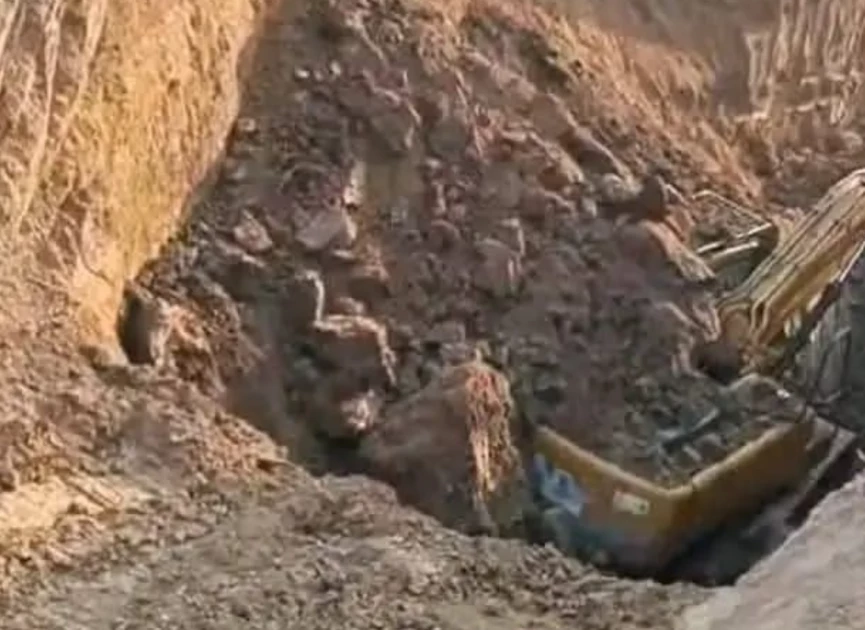
The gold mine that collapsed. Photo/Courtesy
By Ruth Sang
The Siaya County Assembly leaders have raised serious concerns about how local gold mining operations treat women because they report that numerous women face sexual harassment and exploitation while they work to provide for their families.
The female members of the county assembly, who work together as a united group under Scolastica Madowo from South East Alego Ward, reported that the problem exists throughout all artisanal mining regions within the county. The assembly members stated that men who control mining site access to gold-rich materials force vulnerable women especially widows and single mothers into sexual relationships.
The legislators reported that in certain mining locations, women are effectively blocked from earning a living unless they agree to sexual demands from those in authority at the sites. The researchers explained that this situation represents a form of gender-based violence which results from three factors that include poverty and power imbalance and lack of government regulation.
The caucus strongly condemned all efforts which attempt to defend these practices by describing them as indigenous customs or as economic consequences. They argued that the situation should be clearly identified for what it is: sexual violence and exploitation targeting already disadvantaged women.
The MCAs requested that Siaya County Government should officially document the full extent of the problem before they proceed to implement specific solutions. The group proposed two primary solutions which included establishing gender-protection systems in mining areas and developing safe reporting channels for survivors to report abuse while accessing support services.
The national government should establish stricter rules for the artisanal mining industry, which the group asked. The mining sector must adhere to both sexual offenses regulations and safety requirements which protect women throughout all mining operations according to mining policies.
Security agencies received a request to perform two tasks which included receiving complaint reports for immediate response and conducting complete investigations until they achieve justice against all offenders who have any social or political connections. The leaders further recommended increased police presence and patrols in known mining hotspots to deter abuse.
The women representatives explained that mining communities experience all human rights violations, which control every aspect of women’s dignity and safety. They pledged to continue using their legislative authority and advocacy platforms to shine a light on the abuses and to push for accountability and reform.
About Author