Senator Okiya Omtatah Calls for Inquiry on Affordable Housing Land Issues
Busia Senator Okiya Omtatah has called for a Senate inquiry into Affordable Housing projects flagged by the Auditor-General, citing concerns over alleged irregular land allocation, lack of ownership documentation and inadequate public participation.
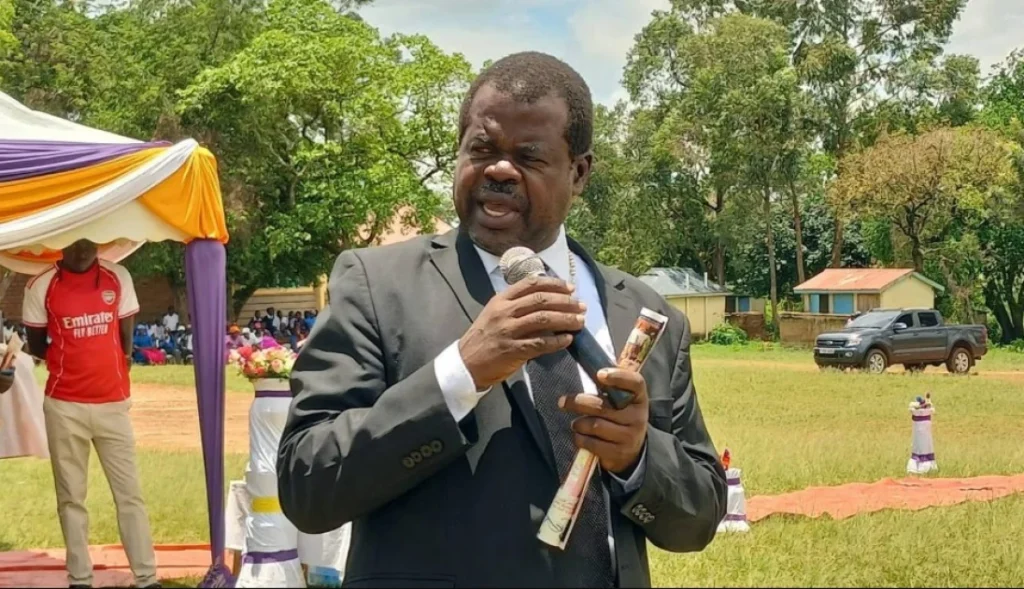
Senator Okiya Omtatah speaks to Busia residents on March 30, 2026.
Out of Nairobi comes news that Senator Okiya Omtatah wants the Senate to look into certain Affordable Housing Program sites. These spots were questioned earlier because the audit chief found issues around who owns the land and how it was handed out.
Should the Senate ask for his account, Omtatah has pointed out possible irregularities in certain housing projects. These builds might sit on communal or state-owned plots lacking correct paperwork. Approval processes may have been skipped entirely. Public input likely never took place during planning stages. Procedures meant to guide development appear ignored altogether.
Out front, the senator stressed the main housing plan mustn’t become a cover for seizing public funds by illegal means. Though popular, such programs still carry risk if twisted toward wrongdoing – clarity matters most here.
Just because homes are cheap doesn’t mean land should be taken,” Omtatah posted online.
“The Auditor-General has flagged projects built on public and community land without proper ownership records, legal processes or public participation. Kenyans deserve answers,” he added.
Now comes Omtatah, asking the Senate committee – focused on land, environment, and natural resources – for a full account. Details matter here: how those projects moved forward, whether rules were followed. Constitution first, then laws – each step must line up. The request lands squarely on process, not opinion. What happened after approval? Did checks happen? Paper trails or silence? Oversight waits for clarity. Not speculation, just facts laid bare. That is what this moment demands.
Projects, the senator said, were built ignoring clear rules – missing legal approval, paperwork, or any sign of following correct steps. The Auditor-General’s report laid out what seems to be a pattern of skipping basic requirements
It might break rules found in the constitution, he said, pointing to sections about national values, ownership, and how land – both public and shared – is handled under Articles 10, 40, 60, 62, and 63. Though quiet in delivery, his point carried weight through detail.
Not stopping there, the Busia representative pointed to potential violations across several laws. One after another, statutes like the Land Act came under scrutiny. The Land Registration Act also appeared on that list. Community Land Act concerns were raised too. Attention shifted then to how public funds are handled – linking it to the Public Finance Management Act. Lastly, planning rules tied to land use entered the conversation through the Physical and Land Use Planning Act
What worries Omtatah most? A pattern of breakdowns inside agencies meant to run the housing plan. These include the State Department for Housing and Urban Development along with the National Land Commission. He sees repeated lapses where oversight should be strong. Not just isolated errors – rather, deep-rooted issues shaping outcomes. The way things are set up seems to keep failing people. Institutions tasked with delivery appear stuck in cycles of poor performance. Responsibility spreads across several bodies, yet results lag behind promises.
What the senator is asking for? A full list from the committee on every Affordable Housing project flagged by the Auditor-General due to missing land titles. Details needed: where they are, what stage they’re at now. Nothing left out. This comes straight from his official request. Each entry must show exactly how far along things stand. He wants clarity, nothing vague. Location matters just as much as progress. Paperwork gaps are the core issue here. Projects stuck because documents are incomplete. His focus lands there. Not speculation – just facts, laid bare.
Now comes the question about the legality of the land tied to these projects. Could it be that proper steps were skipped when setting it aside? Who made the call to allocate, reserve, or protect it? That part remains unclear. What matters is how things actually unfolded back then.
Still, Omtatah expects the panel to clarify if rules for public involvement followed the Constitution – especially when dealing with group-owned land that demands approval by law. What matters here is whether people had a real say before decisions were made. The point isn’t just process, but fairness in how voices are heard. After all, legal steps mean little without actual consent. That kind of oversight shapes trust in outcomes.
Later that day, the senator asked for more information about steps already taken to sort out land ownership. What mattered most was whether proper titles or lease agreements had been handed out, ensuring people who should benefit were actually protected. One concern stood out – making sure these actions truly reached those they were meant for.
Should anyone be held responsible, he wanted it made clear what steps were taken. Where blame lands, consequences should show. New measures must follow, built into how decisions are handled going forward. Rules around land use, city plans, money meant for public work – these need stronger shields now.
Still, Omtatah raised doubts about whether watchdogs like the Ethics and Anti-Corruption Commission had started probes into the issue, then asked for details on how such reviews were progressing.
“Public land is not for plunder. Accountability must come before construction,” Omtatah stated.
Word has it the Senate panel will soon address questions about who owns the land, whether rules are followed, and who takes responsibility in the Affordable Housing Programme. What happens next depends on their reply. Clarity might come through a statement or hearing. Pressure builds as delays stretch. Confusion lingers without clear answers. Expectations rise among those watching closely. Details matter most when trust is thin.
About Author