President Ruto Unveils Ambitious Plan for Kenya Beyond Vision 2030
The President presented the broad initiative during a special address on July 30, 2026, where he laid out what State House described as Kenya’s next generational growth charter.
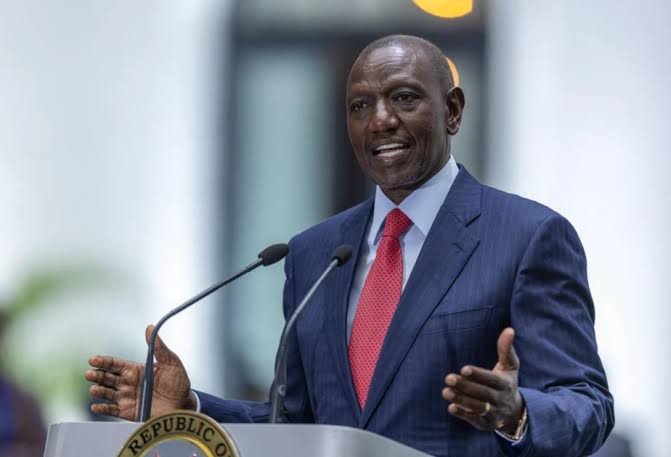
Photo: Courtesy.
By Robert Mutasi
President William Ruto has outlined a new strategic framework that will guide Kenya’s development agenda beyond the Vision 2030 blueprint, signaling a major shift in the country’s long-term economic and political planning.
The President presented the broad initiative during a special address on July 30, 2026, where he laid out what State House described as Kenya’s next generational growth charter.
The roadmap will begin with the launch of a national conversation on Kenya’s post-Vision 2030 future, scheduled for August 12, 2026. The dialogue is expected to bring together diverse stakeholders from across the country to chart a new way forward after the expiry of Vision 2030.
Central to the agenda is the development of a new development charter that will be anchored in the 2010 Constitution. President Ruto’s plan aims to establish a long-term national agenda that transcends conventional politics and election cycles, a move aimed at ending the culture of short-term planning tied to five-year political terms.
The framework also draws heavily from global economic transformation success stories, particularly the Asian Tigers including Singapore, Malaysia and South Korea, whose long-term planning models have delivered rapid industrialization.
A key pillar of the new plan is the strengthening of both the National Infrastructure Fund and the Sovereign Wealth Fund. The President said the two funds will be critical in financing mega projects, cushioning the economy from external shocks, and ensuring intergenerational equity from Kenya’s natural resources.
To advance the long-term vision, the strategy focuses on positioning Kenya to be ready for Africa’s next phase of economic growth, while at the same time converting constitutional rights into measurable development outcomes for all Kenyans.
Institutional stability forms another core pillar, with emphasis on creating robust institutions that are built to outlast individual governments. The President said Kenya must move from strong individuals to strong institutions if it is to achieve sustainable development.
Public participation has also been highlighted as an essential driver of the plan. The government intends to actively engage citizens, the youth, faith-based groups, civil society, the private sector and county leadership in shaping the overall strategy, ensuring it is people-owned and inclusive.
Ultimately, the plan seeks to shift the national political focus away from personalities and toward policies and development, marking what the President termed as the beginning of issue-based politics for the next 50 years.
About Author