North Rift leaders urge Ruto to aid farmers after drought destroys crops
Swaleh said many farmers now face financial ruin and cannot afford inputs for the October planting season without government assistance.

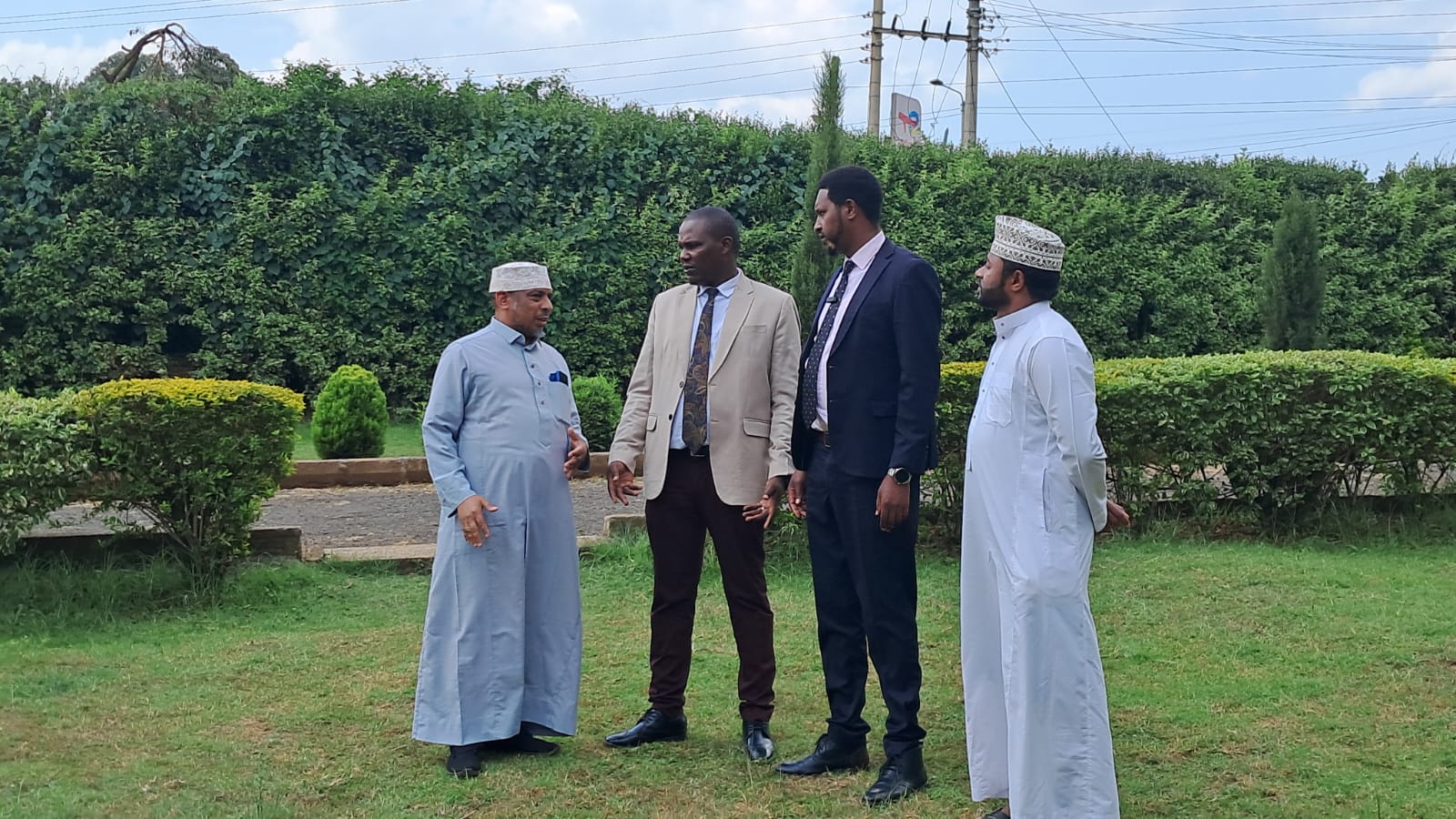
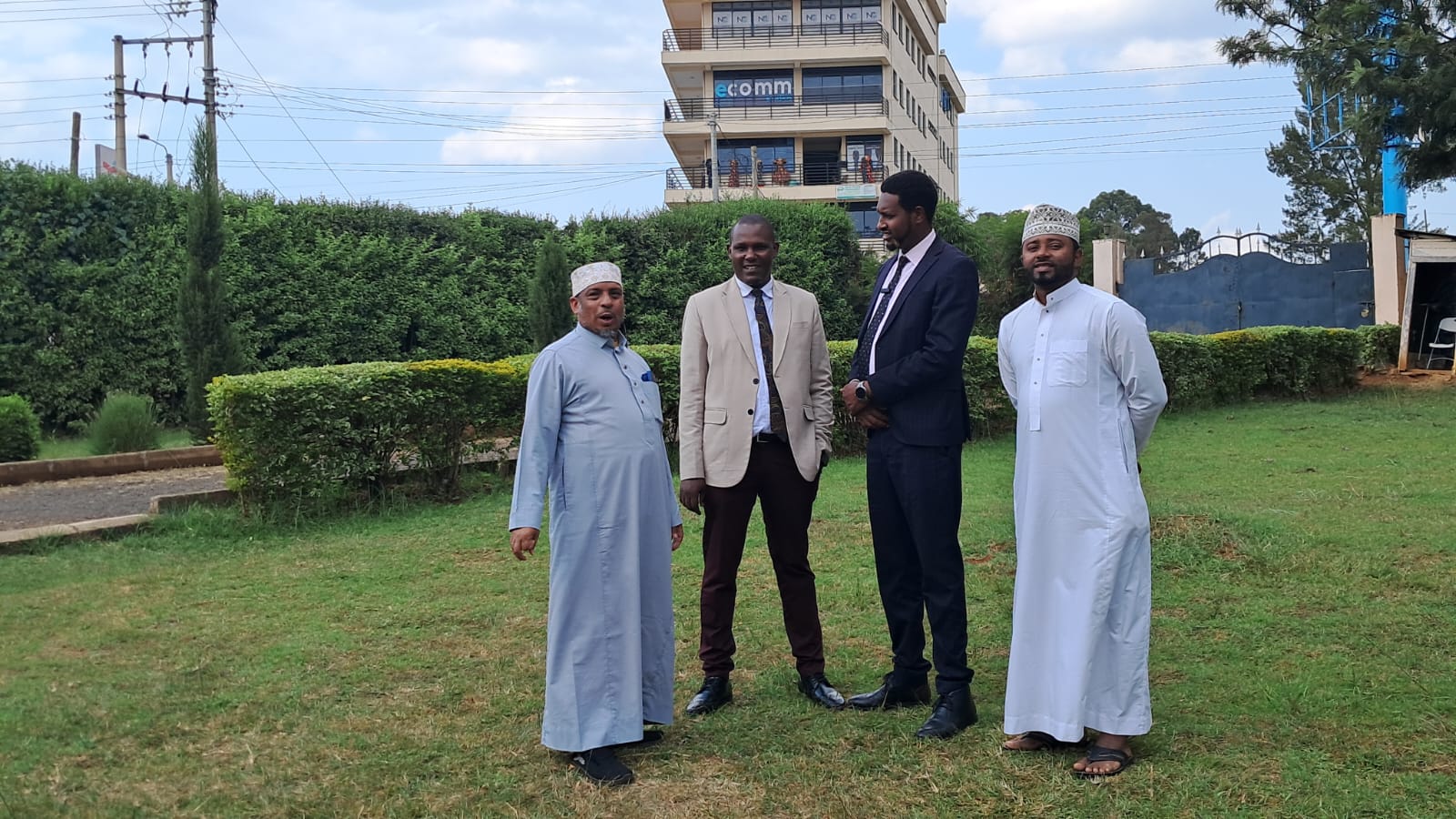
North Rift religious, youth and community leaders led by CIPK chairman Sheikh Abubakar Bini appeal to President William Ruto to intervene after drought destroyed crops in Uasin Gishu and Trans Nzoia. Photo: Hubz Media.
By Robert Mutasi
Religious leaders, youth representatives and community leaders in the North Rift have appealed to President William Ruto to urgently intervene after prolonged drought destroyed crops in Kenya’s main grain basket counties.
The appeal was led by Sheikh Abubakar Bini, chairman of the Council of Imams and Preachers of Kenya for the North Rift region, during a press briefing in Eldoret on Tuesday. The leaders warned that failure to support affected farmers could trigger a food security crisis.
“Thousands of Kenyans depend on food produced in Trans Nzoia and Uasin Gishu. These counties are regarded as the country’s food basket, but this season the drought has destroyed crops across many farms,” said Kassim Swaleh, youth leader of the council.
The leaders said farmers in Trans Nzoia and Uasin Gishu invested heavily in the current season through bank loans, purchase of fertilizer and certified seed, and land preparation, but lost their maize crop before maturity due to the extended dry spell.
Swaleh said many farmers now face financial ruin and cannot afford inputs for the October planting season without government assistance.
“Most of these farmers borrowed money expecting to harvest and repay their loans. Today they have nothing. They cannot afford to buy seed or fertilizer for the next season,” he said. “Without government intervention, many of them will miss the October planting season altogether.”
He asked the government to provide free three-month maturing maize varieties and free fertilizer to allow affected farmers to replant in time for the long rains forecast to begin in October.
Sheikh Bini said religious leaders were alarmed by the suffering in farming communities and called for a special committee to assess losses and oversee emergency assistance.
“We are not happy seeing our crops destroyed. Farmers have invested everything they had, only to lose it all because of the drought,” Bini said. “Many will not be able to return to farming unless the government intervenes.”
Bini urged the national government to set aside emergency funds to cushion farmers and protect national food production, warning that some families were facing severe emotional and financial stress.
“Some farmers have lost everything they owned. Others are struggling with debts after taking loans,” he said. “If nothing is done, some may fall into depression.”
Francis Chirchir, another leader present, said food insecurity should be treated as a national security issue.
“This is no longer just a farming problem. Food insecurity is a threat to national security. If the situation is not addressed quickly, it can easily be politicized and used to divide communities,” Chirchir said.
Chirchir called for long-term measures to reduce dependence on rain-fed agriculture, including investment in dams, irrigation projects and water harvesting systems.
“We cannot continue depending entirely on rainfall every season. Climate change has made weather patterns unpredictable,” he said.
The leaders proposed five immediate actions: establishment of an emergency committee to coordinate drought response, allocation of emergency funds for affected farmers, free distribution of certified three-month maize seed, free fertilizer for those who suffered losses, and investment in irrigation schemes.
They said supporting farmers to return to production would be less costly than relying on food imports or emergency relief later in the year.
“Our farmers do not want handouts. They simply want the opportunity to plant again, harvest again, and continue feeding the nation,” one leader said.
About Author