Bitter Harvest: Western Kenya Sugarcane Farmers Threaten to Uproot Crops Over Contraband Sugar Flood
Acres of mature sugarcane are now rotting in the fields due to a total lack of market access, pushing smallholder farmers who depend entirely on the crop into crippling debt.
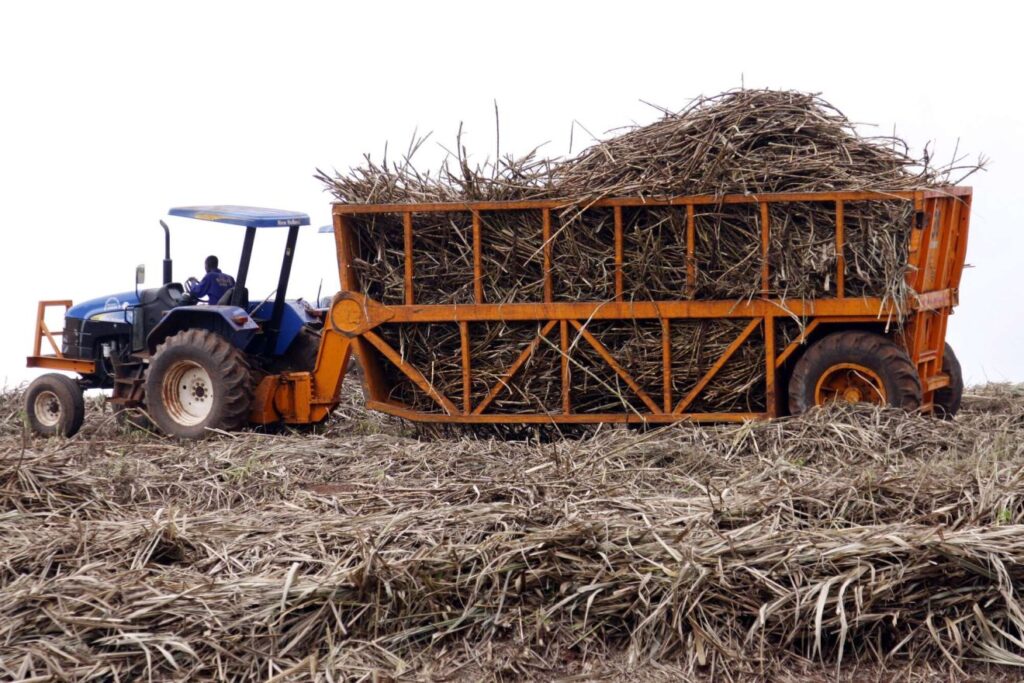
Photo: Courtesy.
By Eve N Njeri
Sugarcane farmers across Western Kenya are on the verge of abandoning the crop that has sustained generations, citing intense frustration over government inaction as cheap, contraband sugar continues to flood the domestic market.
The farmers, drawn from the region’s sugar belt including Homa Bay, Busia, Kakamega, Bungoma and Kisumu counties, say the influx of illegal sugar has completely paralyzed local sales, leaving thousands of growers stranded with mature, unharvested crops while local milling factories struggle to stay afloat.
In Homa Bay County, the economic toll of the crisis is already devastatingly clear. Acres of mature sugarcane are now rotting in the fields due to a total lack of market access, pushing smallholder farmers who depend entirely on the crop into crippling debt.
“Our sugarcane is spoiling right here in the farms because the mills aren’t buying, and we have nowhere else to take our harvest,” said a distressed farmer in Ndhiwa, Homa Bay, who is staring at severe financial loss after investing his savings and taking loans to cultivate his farm. “We borrowed money expecting to sell after 18 months, but now nobody is buying.”
The situation is replicated across the border in Busia County, where growers have now issued a stern ultimatum to the government, warning of a radical shift in agricultural production if immediate action is not taken.
“If the government does not act immediately to stop this cheap illegal sugar from destroying our market, we will have no choice but to uproot every stalk of sugarcane from our land,” said a local farmer representative from Busia. “We cannot continue growing a crop that has no market. We would rather plant maize or cassava that we can at least eat.”
Industry players blame the crisis on well-connected cartels importing sugar illegally through porous borders, mainly from neighbouring countries. The contraband sugar, they say, bypasses taxes, Kenya Bureau of Standards (KEBS) checks and Kenya Revenue Authority (KRA) duties, allowing it to be sold at throwaway prices that local millers cannot match.
“Factories across the region are holding massive stocks of local sugar that no one will buy because contraband sugar is being sold at throwaway prices,” said an industry spokesperson from the Kenya Sugar Board. “Our warehouses are full, our farmers are not being paid, and millers are on the verge of shutting down. We need stricter border controls to save the local sector.”
The farmers are now calling on President William Ruto’s administration, the Ministry of Agriculture, and state agencies including KRA and KEBS to mount a crackdown on illegal imports, seal loopholes at border points and prioritize the purchase of locally milled sugar.
They warn that failure to act will not only kill the sugar industry, which employs over six million Kenyans directly and indirectly, but will also plunge Western Kenya into a deeper economic crisis and threaten the country’s food security.
About Author