Mass Communication Remains Key Pillar in Informing, Educating Society, Experts Say
Experts say advances in technology have made communication faster and more accessible, enabling information to reach audiences almost instantly.
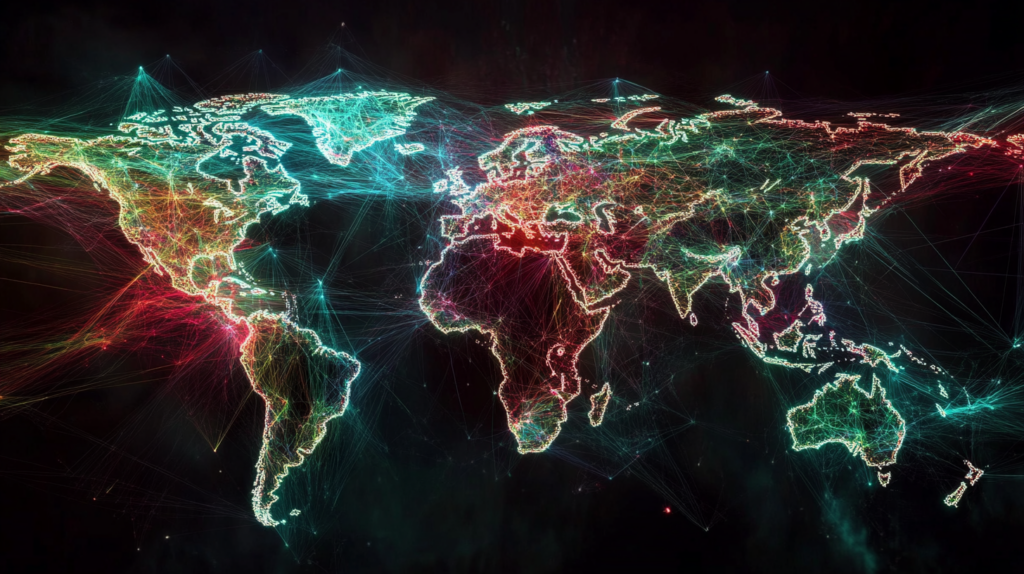
Photo: Courtesy.
By Yamara Sandra
Mass communication continues to play a central role in shaping modern society by informing, educating and entertaining millions of people through traditional and digital media platforms, communication experts have said.
From radio and television to newspapers and online platforms, the media remains a primary source of information for people seeking news, government updates, health information and economic opportunities. Experts say advances in technology have made communication faster and more accessible, enabling information to reach audiences almost instantly.
Research has consistently shown that mass communication supports democratic governance by giving citizens access to reliable information and encouraging participation in public discourse and decision-making. It also promotes national cohesion by connecting people from diverse regions, cultures and backgrounds through shared experiences and information.
Media campaigns have further contributed to raising awareness on public health, education, environmental conservation and electoral processes, helping communities make informed choices.
Speaking during a media awareness forum, Communication expert and Uasin Gishu Journalists Association Chairman James Gitaka said the media serves as a vital link between leaders and the public.
“Mass communication helps bridge the information gap between leaders and citizens. It ensures people are informed and empowered to make informed decisions in their lives,” Gitaka said.
Broadcast journalist Peter Otieno said responsible journalism remains increasingly important as the media landscape continues to evolve.
“The media serves as the eyes and ears of society. Accurate and balanced reporting helps communities understand issues and respond appropriately,” Otieno said.
Experts also underscored the importance of mass communication during emergencies, including disease outbreaks, natural disasters and security incidents, noting that timely and accurate information can save lives and help authorities coordinate effective responses.
At the same time, they expressed concern over the rapid spread of misinformation and false content on social media platforms. They urged members of the public to verify information through credible and trusted news sources before sharing it.
University student Violet Akinyi said digital communication has significantly transformed learning among young people by expanding access to information from around the world.
“Today, we can learn about events happening anywhere in the world within minutes. This has expanded our knowledge and understanding of global issues,” Akinyi said.
As communication technology continues to advance, experts believe mass communication will remain a cornerstone of social, economic and political development by fostering accountability, shaping public opinion and supporting an informed and engaged society.
About Author