A new study exposes weaknesses in reporting, investigations, and survivor support systems
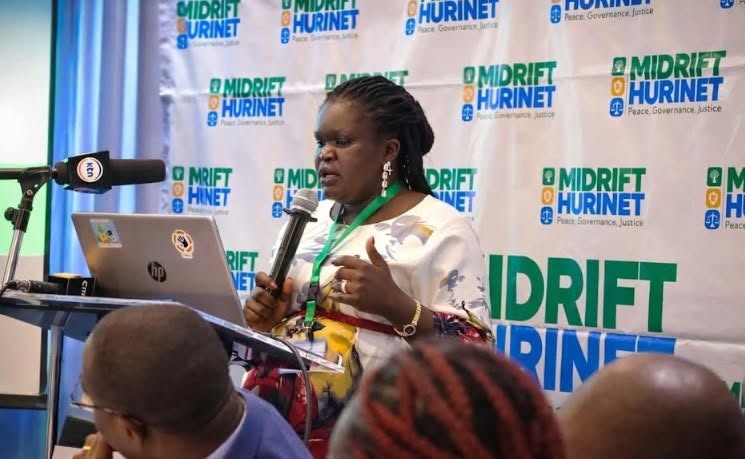
A new study on Child Sexual Exploitation and Abuse (CSEA) in Kenya has uncovered critical gaps in how cases are reported, investigated, and handled, despite the country having strong laws and institutions meant to protect children.
The research, conducted by MIDRIFT HURINET in partnership with the Childlight Global Child Safety Institute and the Anti-Human Trafficking and Child Protection Unit (AHTCPU), was launched in Nairobi on Tuesday. It examined how child protection systems function across seven counties: Nairobi, Mombasa, Kisumu, Nakuru, Kisii, Busia, and Garissa.
The study looked closely at survivor experiences and case handling processes, reviewing 57 closed case files, observing 56 institutions involved in child protection, and interviewing 58 key stakeholders working in the sector.
Despite Kenya’s legal frameworks, including the Sexual Offences Act (2006) and the Children’s Act (2022), the findings show that serious challenges remain in practice.
Researchers found weak coordination between agencies, inconsistent implementation of laws, and limited survivor-centered support services, all of which continue to slow down justice and recovery for victims.
One of the most striking findings is that 54.7% of perpetrators were male and known to the child, challenging the common perception that abuse is mostly carried out by strangers. The study also revealed that 79% of survivors were girls aged between six and 11 years.
The report concludes that while Kenya has made progress in building a legal and institutional framework for child protection, gaps in enforcement and inter-agency cooperation continue to leave many children vulnerable.
Experts involved in the study are now calling for stronger coordination between institutions, better survivor support systems, and more effective implementation of existing laws to close the protection gaps and improve outcomes for victims.
About Author