Kirinyaga Farmers Turn to Giant African Land Snail Farming as Alternative Source of Income
Several farmers in Gichugu have already adopted the enterprise after undergoing specialized training on snail production, handling and marketing.
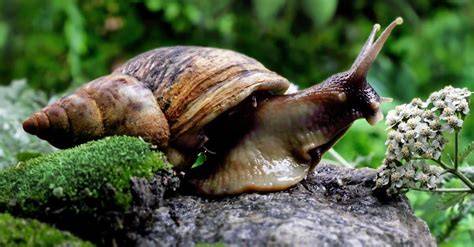
Farmers in Gichugu, Kirinyaga County, are embracing commercial Giant African land snail farming as an alternative source of income, even as rice growers in the nearby Mwea Irrigation Scheme continue to battle invasive golden apple snails. Photo: Courtesy.
By Ian Kiprotich
A growing number of farmers in Gichugu, Kirinyaga County, are venturing into commercial Giant African land snail farming as an alternative source of income, despite concerns over the damage caused by invasive snail species in nearby rice-growing areas.
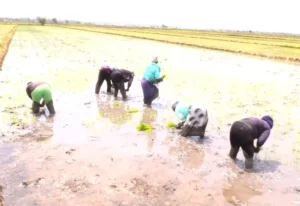
The emerging enterprise comes at a time when farmers in the Mwea Irrigation Scheme continue to battle aquatic golden apple snails, an invasive pest that has destroyed rice crops and raised concerns over food security in one of Kenya’s largest rice-producing regions.
Agricultural experts, however, say the Giant African land snail being promoted for commercial farming is a different species and should not be confused with the aquatic snails affecting rice fields.
Paul Kinoti, a lecturer at the Jomo Kenyatta University of Agriculture and Technology (JKUAT), said the land snails are reared in controlled environments on land, making them easier to manage and reducing the risk of spreading into crop production areas.
“The Giant African land snail is raised on land under controlled conditions and is different from the aquatic snail species that have invaded the Mwea Irrigation Scheme,” Kinoti said.
He encouraged residents to embrace commercial snail farming, describing it as a low-cost venture that requires relatively little land and labor while offering opportunities to access both domestic and international markets.
According to the Florida Department of Agriculture and Consumer Services, the Giant African land snail is among the world’s most destructive invasive snail species and is capable of feeding on hundreds of plant species if introduced into unsuitable environments. Agricultural experts therefore emphasize that commercial farming should be conducted under proper management and regulatory oversight to prevent escape into the wild.
Several farmers in Gichugu have already adopted the enterprise after undergoing specialized training on snail production, handling and marketing.
Among them are Mathew Njeru, Jamleck Mugo and James Karanja, who say the training has given them the skills and confidence to diversify their farming activities.
Njeru, a farmer from Mutungara in Mwea, said the training helped dispel misconceptions surrounding the venture.
“I learned that the Giant African land snail kept for commercial farming is different from the aquatic snail species found in the Mwea Irrigation Scheme. It is affordable to rear and does not require large pieces of land,” he said.
Mugo said his 13-member farming group, made up largely of tea and coffee farmers, views snail farming as a promising enterprise capable of supplementing household incomes as returns from traditional cash crops continue to decline.
“We are looking for alternative sources of income, and snail farming offers an opportunity to diversify while utilizing small pieces of land,” he said.
The initiative reflects a growing trend among Kenyan farmers seeking climate-resilient and high-value agricultural enterprises as changing weather patterns, fluctuating commodity prices and rising production costs affect conventional farming.
Agricultural experts say commercial snail farming has attracted interest because of increasing demand for snail meat in international markets, where it is valued for its nutritional content. Snail by-products are also used in the cosmetics and pharmaceutical industries.
They caution, however, that successful snail farming requires proper training, adherence to biosecurity measures and compliance with regulations governing the rearing and movement of potentially invasive species.
As more farmers explore non-traditional agricultural enterprises, proponents believe commercial land snail farming could provide an additional source of income while complementing, rather than replacing, conventional crop production in Kirinyaga County.
About Author