Garissa Woman Handed Over Cheetah She Rescued and Raised for Two Years
She fed, bathed, and even walked the animal on a leash, earning praise from some in the community for her compassion for the wild animal.

The rescued cheetah is under professional care at the Nairobi Safari Walk, where it is being closely observed by wildlife experts. Photo/courtesy.
By Ruth Sang
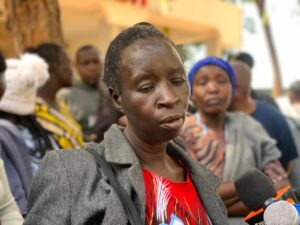
A Garissa County woman has handed over a young cheetah she rescued and kept for nearly two years to the Kenya Wildlife Service (KWS). The woman is reported to have discovered the cub alone and lost in the wild, and out of compassion, took it in and nurtured it like one of her own.
KWS says the woman provided the cheetah with food, shelter, and care—essentially treating the animal like a domestic pet. She fed, bathed, and even walked the animal on a leash, earning praise from some in the community for her compassion for the wild animal. KWS officials were tipped off to the unusual situation by local reports and intervened to supervise the animal’s safe relocation.
In a press statement, the Kenya Wildlife Service applauded the good intention of the woman but indicated that holding a wild animal captive without a permit is against the Wildlife Conservation and Management Act (WCMA). The act is meant to protect wild species and their upkeep in their natural habitats where they can breed and help the ecosystem.
Though thankful for her good intention, KWS said that wild animals like cheetahs require specialized nutrition, care, and habitats that cannot be replicated in homes. “The woman did it out of compassion, but one should understand that wildlife belongs to the wild. Our role is to keep them safe, healthy, and conserved,” said KWS.
On collection of the animal, KWS rangers surrendered it to a veterinary team for a thorough medical examination. The cheetah underwent a full health check, laboratory analysis, and parasite treatment to determine that it was in a good state of health prior to its translocation.
The rescued cheetah is under professional care at the Nairobi Safari Walk, where it is being closely observed by wildlife experts. The animal, the KWS said, is adapting well to the new environment and will now be part of ongoing conservation and education programs aimed at raising awareness of Kenya’s wildlife heritage.
KWS appreciated the Garissa woman for her humanity and also for collaborating with authorities. In their statement, they noted that genuine human-wildlife coexistence means protecting these animals in their natural habitats, where they are free and safe to live.
About Author