President Ruto Commits to Implementing KNCHR Report on Compensation for Victims of Protest-Related Human Rights Violations
President William Ruto has pledged to fully implement recommendations in a KNCHR report on compensation and reparations for victims of human rights violations during protests and demonstrations.
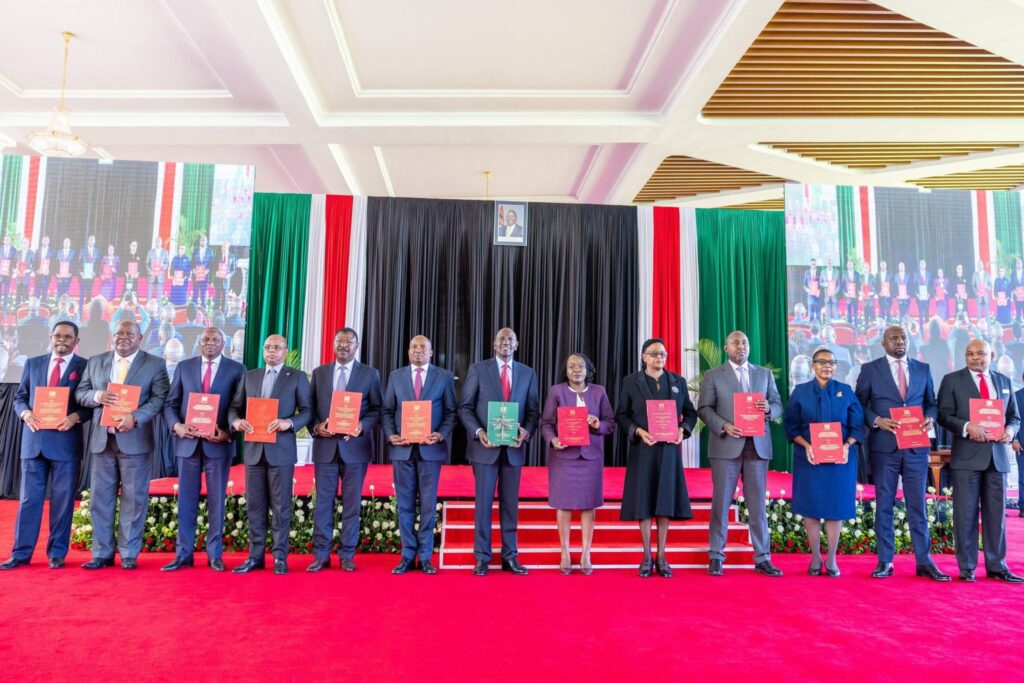
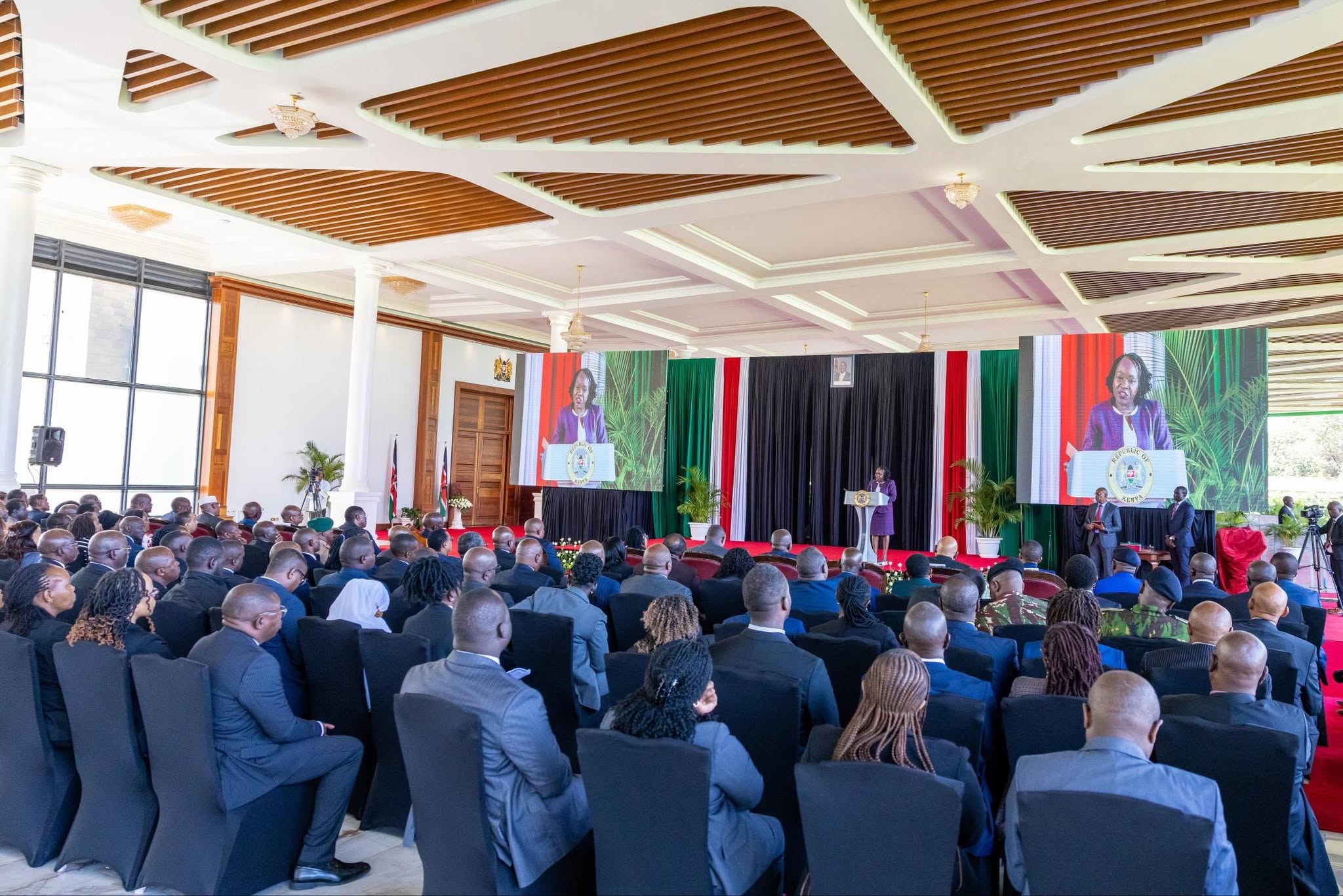
President William Ruto has committed to implementing a KNCHR framework on compensation and reparations for victims of human rights violations during protests. Photo/Courtesy
By Ruth Sang
President William Ruto has pledged to fully implement recommendations contained in a report by the Kenya National Commission on Human Rights aimed at compensating and providing reparations to victims of human rights violations committed during protests and public demonstrations.
Speaking at State House, Nairobi, after receiving the Framework for Compensation and Reparations for Victims of Human Rights Violations During Protests and Picketing, the President acknowledged the long-standing challenges associated with public demonstrations in Kenya, noting that many protests have ended in violence, injuries, destruction of property, and loss of lives.
Ruto said that for many years, Kenyans exercising their constitutional rights to assemble, picket, demonstrate, and petition have often faced tragic consequences, while responses by security agencies have at times involved excessive force that led to violations of fundamental rights.
“For far too long, whenever Kenyans have exercised their constitutional and democratic rights to assemble, picket, demonstrate and petition, the outcome has too often been marked by violence, injury, loss of life, destruction of property, bitterness, and division,” the President said.
He noted that successive governments have repeatedly condemned such incidents but acknowledged that the country has struggled to find a lasting solution.
“Today, we have chosen to act. We do so because the cost of inaction is far greater than the cost of undertaking the difficult but necessary work of reform,” Ruto stated.
The Head of State described the KNCHR report as a significant milestone in addressing historical grievances and promoting accountability, justice, and reconciliation.
According to the President, the initiative stems from resolutions reached through the National Dialogue Committee (NADCO) process in 2023, which was established through consultations between the Kenya Kwanza administration and opposition leaders, including the late former Prime Minister Raila Odinga.
Ruto said the framework represents the beginning of a broader national effort to strengthen democratic institutions, protect constitutional freedoms, and foster unity among Kenyans.
“As Government, we commit ourselves to the full implementation of the recommendations contained in the KNCHR report. In doing so, we reaffirm our unwavering commitment to safeguarding the constitutional rights of every Kenyan to assemble, protest, demonstrate, and petition peacefully,” he said.
The President emphasized that while the government has a responsibility to protect the rights and freedoms guaranteed under the Constitution, it must also ensure that those rights are exercised in a safe environment where human dignity is respected and lives are protected.
“Our duty is not only to protect these freedoms, but also to ensure that they are exercised in an environment where human dignity is respected, lives are protected, and justice is upheld,” he added.
The KNCHR report is expected to provide a framework for compensation, reparations, and policy reforms aimed at addressing cases of human rights violations linked to protests and demonstrations, while helping prevent similar incidents in the future.
The government’s commitment to implement the recommendations is expected to form part of broader efforts to strengthen democratic governance, promote accountability, and enhance trust between citizens and state institutions.
About Author