Restoring Women’s Dignity: The Hidden Struggle of Obstetric Fistula Survivors in Kenya
“The only thing they told me was to be patient because every woman goes through the same pain,”
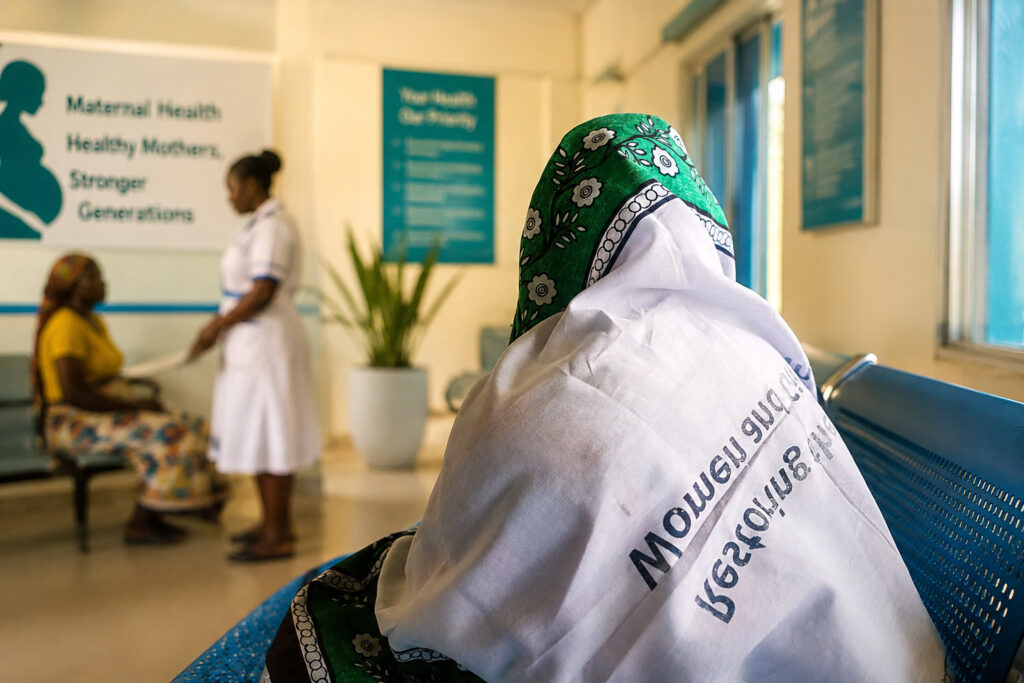
Mercy Onyango, 17, a Form Three student at Nyamasaria Secondary School, endured the daily challenge of living with obstetric fistula, relying on adult diapers to preserve her dignity. Photo: Grace Wafubwa
By Grace Wafubwa
For decades, women like Alice Atieno lived with pain, stigma and isolation after childbirth injuries. Today, specialized treatment is helping survivors of obstetric fistula reclaim their dignity, confidence and hope.
At the sleepy village of Lela in present-day Maseno, on February 20, 1980, 20-year-old Alice Atieno endured excruciating labour pains before finally delivering a bouncing baby boy at the homestead of Mama Onyango, a locally known traditional midwife who had “safely delivered” hundreds of babies in the area.
Alice’s labour had begun suddenly as she headed to the market. After enduring three days of prolonged labour, she was rushed to the “Daktari” homestead, where she eventually delivered her son.
Exhausted and overwhelmed by pain, she named him Jabez Onyango — inspired by the Biblical story of Jabez, who was born through suffering and sorrow.
Surrounded by relatives and neighbours, her husband, 27-year-old Tobias Onyango, was elevated to the status of fatherhood with great pride.
Tobias, who worked in Nairobi for the now-defunct East African Telecommunications Company, took leave from work to travel home and receive his newborn son.
Accompanied by his mother, Tobias arrived at the compound to collect his wife and child. Everyone appeared joyful — except Alice.
She struggled to walk.
Unknown to the family, Alice had suffered a severe obstetric tear during childbirth that damaged her perineum and left her with obstetric fistula — a condition caused by prolonged obstructed labour that results in uncontrolled leakage of urine or faeces.
“The only thing they told me was to be patient because every woman goes through the same pain,” Alice recalls.
A Lifetime of Stigma and Silence
As days passed, Alice noticed that whenever she relieved herself, faecal matter mixed with urine. At first, she assumed the condition would heal with time.
Instead, the leakage worsened, accompanied by a pungent smell that slowly isolated her from society.
Neighbours began avoiding her.
Visitors whispered behind her back.
Even her husband, who had once promised to love and protect her, gradually distanced himself.
Her mother-in-law accused her of being lazy and unhygienic. The humiliation became unbearable.
Seeking solace, Alice joined the Legio Maria Christian community, hoping prayers would break what many believed was “chira” — a Luo term associated with a curse or witchcraft.
“The church members accepted me when everybody else had abandoned me,” she says softly.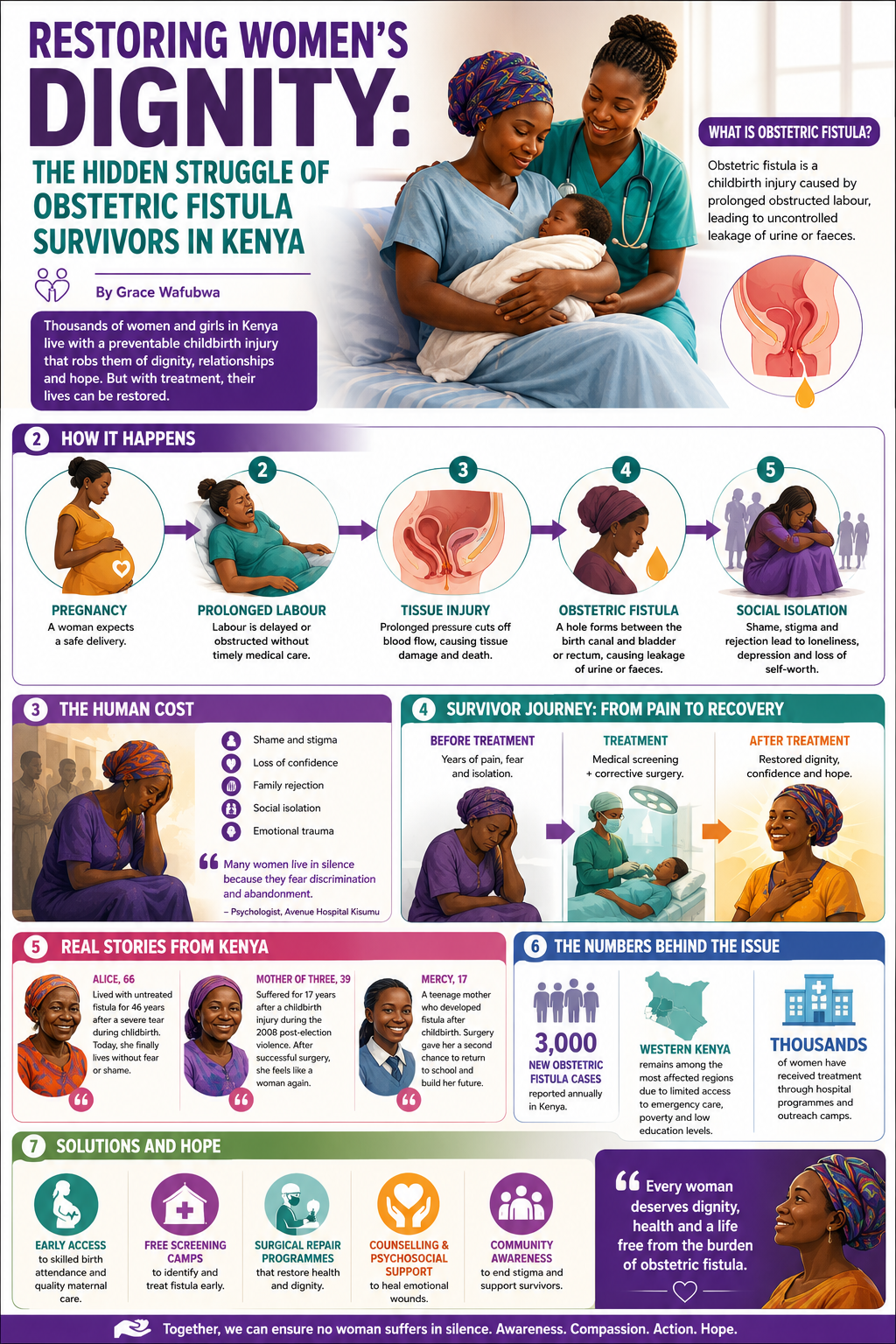
However, members of the sect discouraged her from seeking hospital treatment, insisting that prayer alone would heal her.
As years passed, Tobias remarried and permanently relocated to Nairobi, leaving Alice behind in the rural matrimonial home.
For 46 years, Alice lived in silence, stigma and emotional pain.
A Second Chance Through Medical Care
Her turning point came unexpectedly while listening to a local radio station announcing a free fistula screening camp.
“Something pushed me from within and told me to go,” she says.
She boarded a matatu to Jaramogi Oginga Odinga Teaching and Referral Hospital, where she finally received specialised medical care.
After assessment, doctors confirmed she had lived with untreated fistula for decades.
Although her case was complicated, surgeons successfully repaired the damage.
“Today I can go to the toilet without fear or shame,” she says with a smile. “For the first time in many years, I feel human again.”
More Women Share Similar Stories
On the neighbouring hospital bed is a 39-year-old mother of three from Chulaimbo village in Kisumu West Sub-county, whose story mirrors Alice’s struggle.
Her ordeal began in 2008 during the post-election violence when insecurity and blocked roads made access to hospitals nearly impossible.
When labour intensified, she sought help from a traditional birth attendant and delivered a baby girl weighing 4.2 kilograms.
During delivery, she suffered a severe tear, but the midwife applied traditional herbs and assured her the wounds would heal naturally.
Seventeen years later, the condition had not improved.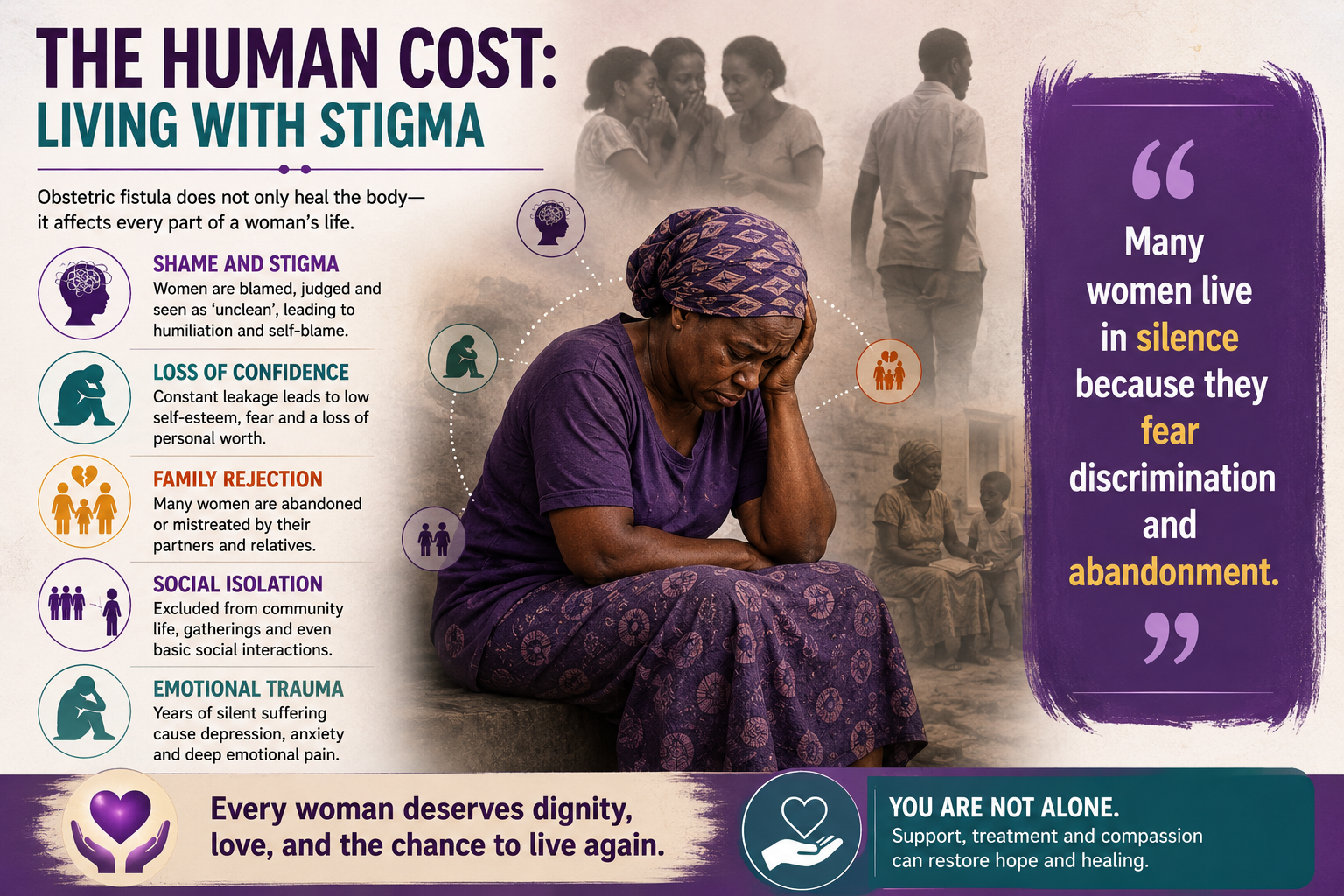
“I used to pass gas through my vagina accompanied by traces of faeces,” she says quietly.
The condition destroyed her self-esteem and strained her marriage.
“My husband kept telling me that I was no longer like other women,” she says.
Burdened by shame and trauma, she suffered in silence until a Community Health Volunteer visited her home.
“She was the first person to tell me that my condition could actually be treated,” she says.
Unable to afford surgery, she had resigned herself to lifelong suffering — until she learnt about a free fistula medical camp organised by Russia Hospital in partnership with other organisations.
Registered as patient number 247, she underwent a successful two-hour surgery.
“Now I feel like a woman again,” she says with relief.
Teenage Motherhood and the Fight to Restore Hope
For 17-year-old Mercy Onyango, a Form Three student at Nyamasaria Secondary School, motherhood came too early — and with devastating consequences.
Mercy gave birth last year to a baby girl weighing 3.7 kilograms. The father of the child, a 24-year-old college student, disappeared immediately after the birth and has never met his daughter.
Forced to drop out of school, Mercy now relies heavily on her family for support.
But beyond the challenges of teenage motherhood, she has also been battling fistula.
“Since I gave birth, I have been leaking urine,” she says.
Doctors explain that her young body and underdeveloped pelvic floor were not physically prepared for childbirth, leading to severe injury during labour.
To preserve her dignity, Mercy was forced to wear adult diapers daily.
“I was afraid to return to school because I thought my classmates would laugh at me,” she says.
Fortunately, her mother brought her to the fistula camp, where she underwent successful corrective surgery.
“I feel like I have been reborn,” Mercy says. “Now I have the strength to raise my daughter and continue with my life.”
The Need for Awareness and Support
The stories of Alice, the Chulaimbo mother, and Mercy reflect the painful reality faced by thousands of women and girls living with obstetric fistula across Kenya.
The condition continues to rob survivors of dignity, relationships, education and economic opportunities.
According to Linnet Anyango, a psychologist based at Avenue Hospital in Kisumu, many fistula survivors experience depression, anxiety, low self-esteem and social withdrawal due to prolonged stigma and rejection.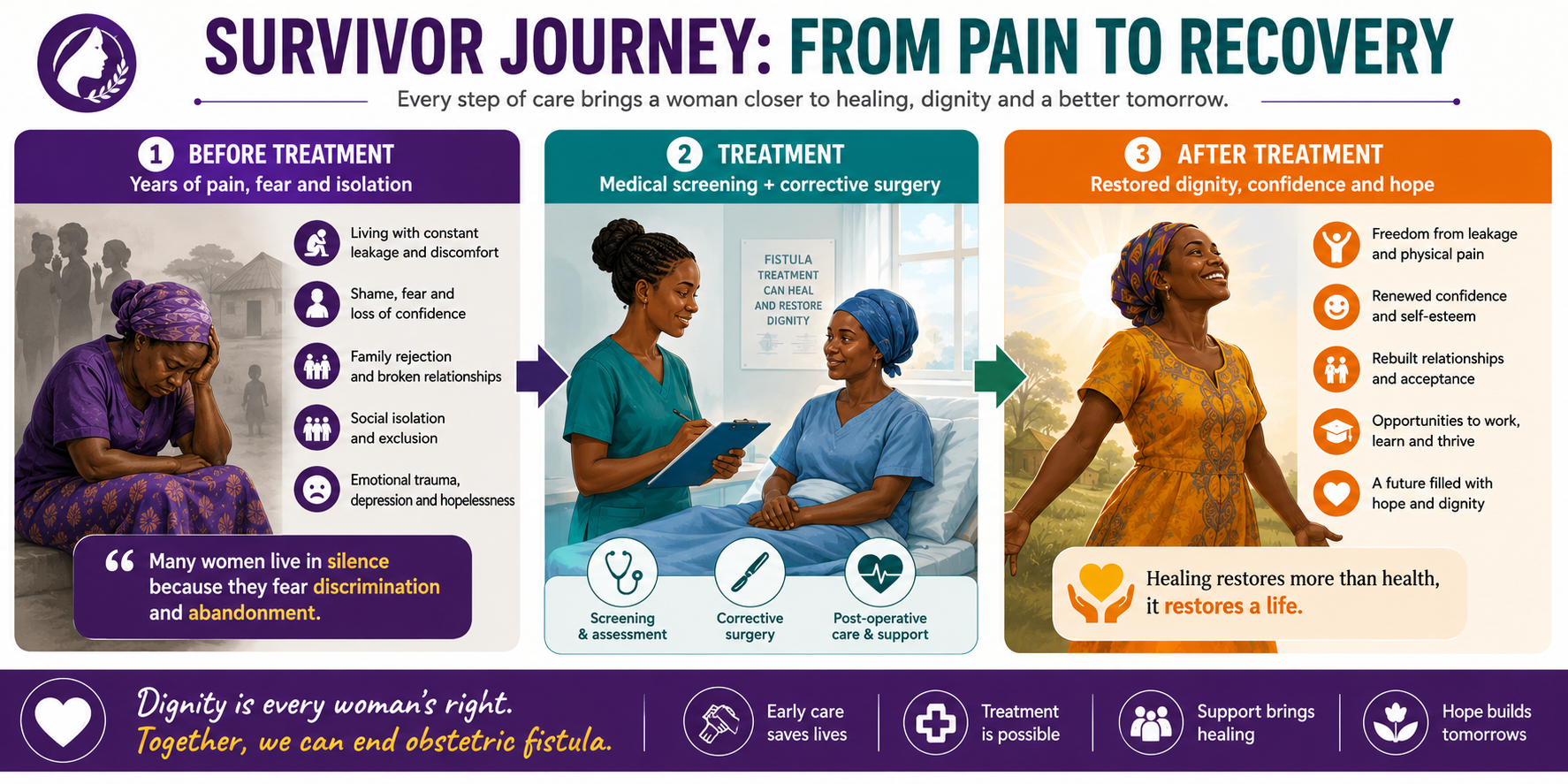
“Most women suffering from fistula live in silence because they fear discrimination and abandonment,” she says.
She adds that beyond physical treatment, survivors require emotional healing, family support and reintegration into society.
Resident Gynecologist at Jaramogi Oginga Odinga Teaching and Referral Hospital (JOOTRH), Dr. Paul Mitei, says he has performed fistula repair surgeries and treatment on more than 3,000 patients over the past five years at the facility.
He notes that outreach camps organised by organisations such as Safaricom and Amref Health Africa have significantly improved access to treatment for women across the region.
JOOTRH Chief Executive Officer Dr. Joshua Okise says the facility continues to receive patients from far-flung counties, including Turkana and West Pokot, seeking specialised fistula repair and rehabilitation services.
Restoring Hope Through Partnerships
Safaricom Foundation, in partnership with the Flying Doctors Society of Africa (FDSA), has expanded access to free obstetric fistula treatment for women in high-burden counties.
According to Safaricom Brand and Communications Manager Zizwe Awuor Mvundla, the programme is transforming lives by reaching women who would otherwise continue living with the condition.
“Every woman deserves the opportunity to live a dignified life free from the burden of obstetric fistula,” said Mvundla.
Data from the Ministry of Health shows that obstetric fistula remains a major maternal health challenge in Kenya, with an estimated 3,000 new cases reported annually.
Western Kenya continues to bear a substantial burden of the condition, driven by prolonged obstructed labour, delays in accessing emergency obstetric care, poverty and low levels of education among affected women.
While thousands of fistula repair surgeries have been conducted through government and partner-supported initiatives, the persistence of new cases highlights the urgent need to strengthen maternal healthcare services, improve access to skilled birth attendance, and expand community awareness.
For survivors like Alice, successful treatment means more than medical recovery — it represents the return of dignity, confidence and the chance to live again.
By Grace Wafubwa
About Author