Experts Warn of Rising Depression Among Young People
They argue that supportive conversations at home and in schools can help identify problems before they develop into severe mental health conditions.
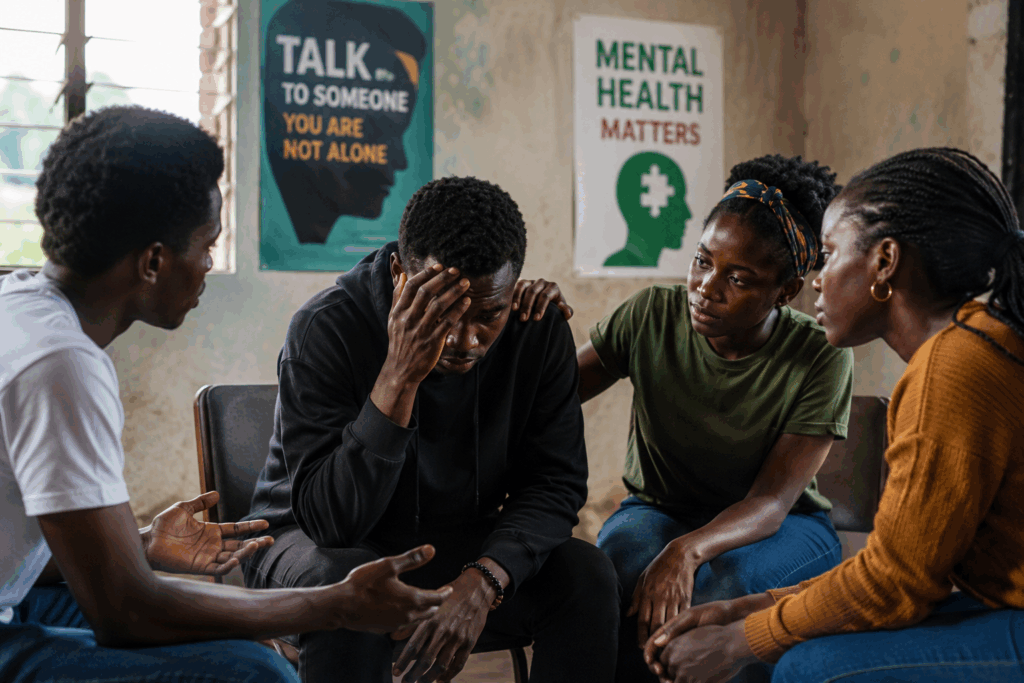
Photo showing a depressed person. Photo/AI.
By Yamara Sandra
Mental health experts are warning of a growing depression crisis among young people, citing economic hardship, unemployment, academic pressure, family conflicts and the influence of social media as key factors driving an increase in emotional and psychological distress.
Counsellors and mental health advocates say more young people are seeking support after struggling with persistent sadness, anxiety and feelings of hopelessness, often while trying to meet expectations for academic success and financial independence.
Many youths say they face immense pressure to build successful futures despite limited opportunities, leaving some feeling isolated and overwhelmed.
“There are days when I feel hopeless because I have tried so many things without success,” one young person said. “Sometimes you just keep everything to yourself because you think no one will understand.”
Mental health professionals say such experiences are becoming increasingly common, particularly among young adults navigating unemployment, financial uncertainty and social expectations.
They warn that many cases go untreated because of the stigma surrounding mental illness.
Counsellors say fear of being judged or misunderstood discourages many young people from seeking professional help until their condition has significantly worsened.
“Depression is a medical condition, not a sign of weakness,” one counsellor said. “The earlier someone seeks help, the better the chances of recovery.”
Health experts are urging families, schools and communities to foster environments where young people can openly discuss emotional challenges without fear of criticism or discrimination.
They argue that supportive conversations at home and in schools can help identify problems before they develop into severe mental health conditions.
Parents and teachers are also being encouraged to watch for changes in behaviour that may signal emotional distress.
According to counsellors, warning signs can include prolonged sadness, withdrawal from friends and family, loss of interest in activities previously enjoyed, declining academic performance, irritability and noticeable changes in sleeping or eating habits.
Mental health advocates say these symptoms should not be dismissed as normal adolescent behaviour, particularly when they persist over time or interfere with daily life.
“We need to listen more to our children instead of dismissing what they are going through,” another counsellor said. “Sometimes they only need someone who will hear them.”
Experts also point to the growing influence of social media, saying constant exposure to unrealistic lifestyles, online criticism and pressure to compare oneself with others has intensified mental health challenges among young people.
While digital platforms provide opportunities for connection and learning, psychologists caution that excessive use can contribute to anxiety, loneliness and low self-esteem, especially among adolescents.
Economic pressures have also emerged as a major source of stress.
Youth advocates say prolonged unemployment and limited access to income-generating opportunities have left many young people uncertain about their future, increasing the risk of depression and other mental health conditions.
Mental health organizations are now calling for expanded public awareness campaigns, improved access to affordable counselling services and greater investment in mental health care within schools, universities and community health facilities.
They say early intervention remains one of the most effective ways to prevent depression from worsening and to reduce the risk of self-harm and other serious consequences.
Advocates are also urging policymakers to integrate mental health services into primary healthcare and strengthen programs that provide emotional support to young people facing academic, social and economic challenges.
Health experts emphasize that depression is a treatable medical condition and encourage anyone experiencing persistent feelings of sadness, hopelessness or emotional distress to seek help from qualified mental health professionals, trusted family members or community support services.
They say reducing stigma and encouraging open conversations about mental health will be essential to ensuring more young people receive the support they need to recover and build healthier, more resilient lives.
About Author