Environmentalist Urges Government to Prioritise Indigenous Trees to Combat Climate Change
According to Karuiki, continued deforestation poses a serious risk to Nakuru County and could result in prolonged droughts if left unchecked.
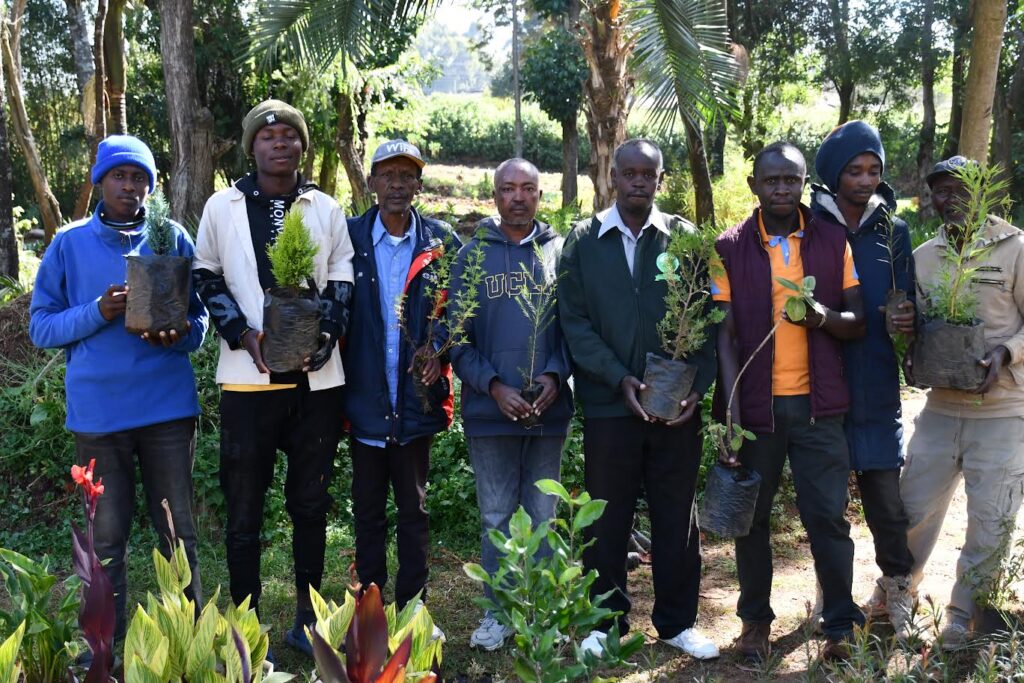
Some of the trees currently being planted for commercial purposes are unfriendly to the environment. Photo/Courtesy
By Ruth Sang
An environmentalist from Molo in Nakuru County has called on the government to intensify the promotion and planting of indigenous trees, warning that climate change is increasingly harming the environment.
Njoroge Karuiki said that climate change already shows its effects because of pollution from factories in major towns and industrialised nations emissions. He emphasized that indigenous trees serve as essential components for ecosystem protection while they provide an environmentally friendly solution to combat environmental degradation.
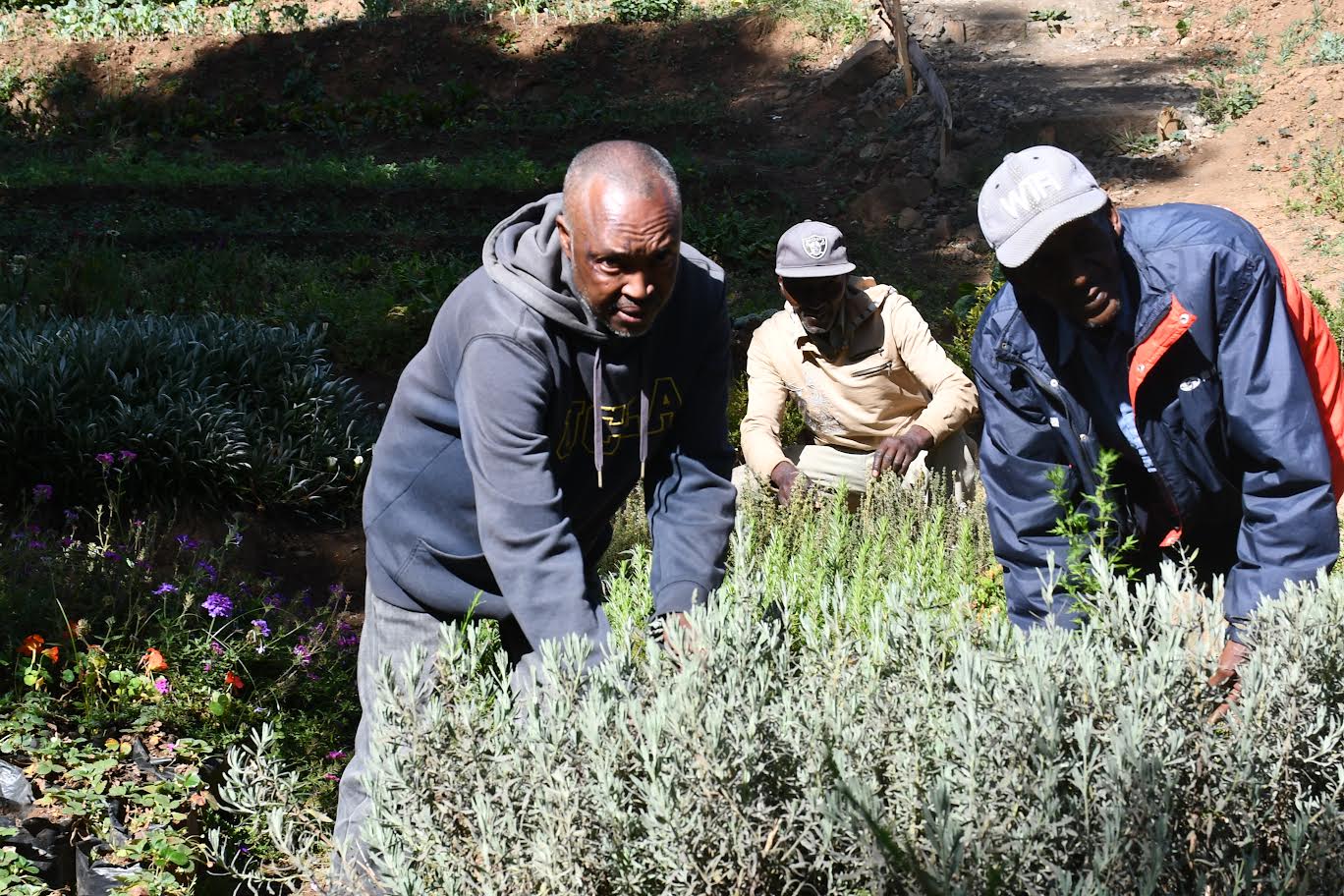
Karuiki explained that indigenous tree species function as environmentally beneficial plants which have protected water catchment areas throughout history. He explained that certain commercially planted trees present environmental dangers which contribute to the current drought situation.
He urged authorities to actively advocate for the restoration and conservation of indigenous forests as part of broader climate action efforts.
At the same time, the environmentalist called for the development and enforcement of clear policies to regulate farming near riverbanks. He insisted on establishing specific buffer zones which would separate cultivation areas from rivers to safeguard riparian ecosystems.
According to Karuiki, continued deforestation poses a serious risk to Nakuru County and could result in prolonged droughts if left unchecked. He described ongoing forest loss as harmful to both the environment and local livelihoods.
The United Nations World Water Development Report estimates that human activities have caused 64 to 71 percent of natural wetlands to disappear since 1900. The report warns that this trend threatens the attainment of Sustainable Development Goal 6, which aims to ensure the availability and sustainable management of water and sanitation for all by 2030.
Karuiki highlighted several nature-based solutions that could help improve water availability and quality. These involve restoring forests and grasslands and natural wetlands and reconnecting rivers to their floodplains and establishing vegetation buffers along waterways while keeping construction activities away from riparian and water catchment areas.
The implementation of these measures will enhance environmental conservation practices while assisting communities in handling climate change effects more efficiently.
About Author