“There is clear demand for authentic, locally made products,” notes a local tourism stakeholder in Eldoret . “But without proper organization, marketing, and integration into tourism circuits, these artisans remain invisible to the very visitors they are meant to attract.”
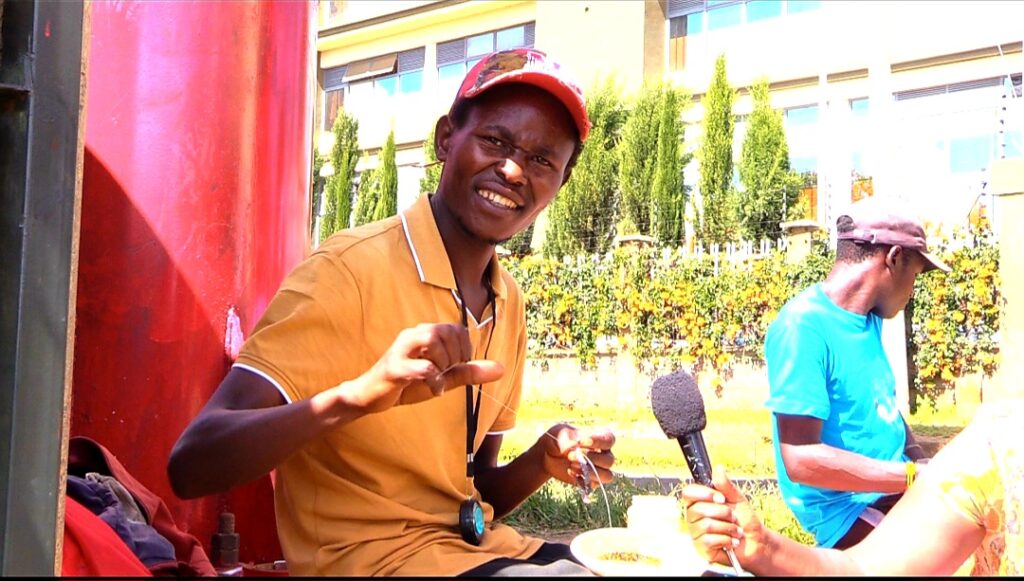
Nicholas Kinyamal concentrates on threading beads at his modest workstation in Eldoret, preserving a cultural craft while striving to earn a living amid limited market access.
In the heart of Eldoret’s bustling streets, Nicholas Kinyamal carefully threads beads into intricate patterns—each piece a vivid expression of Kenya’s cultural heritage, identity, and craftsmanship. What appears to passersby as simple adornment is, in reality, a deeply rooted tradition, one he inherited from his mother in Kilgoris, a region renowned for its rich Maasai beadwork culture.
Kinyamal relocated to Eldoret with the hope of accessing a larger, more dynamic market. Instead, he finds himself navigating a fragile existence. Operating from spaces such as Nandi Park, he contends with low foot traffic, limited visibility, and county levies that steadily erode his already modest earnings.
“I believed coming to Eldoret would open doors to more customers, especially visitors,” Kinyamal says. “But most days, you sit and wait. Sometimes you make a sale, sometimes you don’t—it’s unpredictable.”
His experience reflects a broader challenge facing Kenya’s informal creative sector—one that sits at the intersection of culture and commerce but remains largely underdeveloped.
Globally, handcrafted products such as beadwork form a critical component of cultural tourism, a segment that the United Nations World Tourism Organization identifies as a fast-growing driver of sustainable development. In countries like Morocco and South Africa, structured support systems—including artisan markets, branding initiatives, and tourism linkages—have enabled local craftspeople to thrive while preserving cultural heritage.
Kenya, with its diverse ethnic traditions and globally recognized craftsmanship, holds similar potential. However, for artisans like Kinyamal, that promise remains largely unrealized.
“There is clear demand for authentic, locally made products,” notes a local tourism stakeholder in Eldoret . “But without proper organization, marketing, and integration into tourism circuits, these artisans remain invisible to the very visitors they are meant to attract.”
The situation raises questions about the effectiveness of regional economic frameworks such as the North Rift Economic Bloc (NOREB), which was established to promote trade, investment, and economic growth across member counties. While NOREB has prioritized infrastructure and agriculture, stakeholders argue that the creative economy—particularly grassroots artisans—has yet to receive adequate attention.
Tourism experts emphasize that integrating artisans into formal tourism value chains requires deliberate policy action. This includes establishing designated cultural markets, offering training in product development and branding, and creating linkages with tour operators and hospitality establishments.
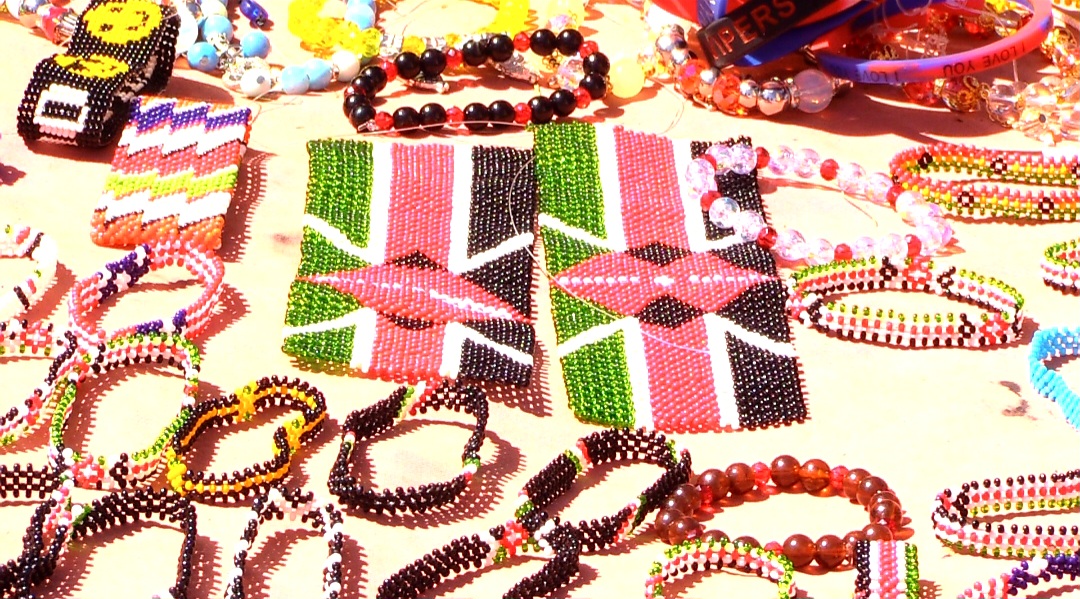
A vibrant display of Nicholas Kinyamal’s handcrafted beadwork laid out in Eldoret, showcasing intricate designs that reflect Kenya’s rich cultural heritage and the untapped potential of local artisans in the tourism market.
“Tourists are increasingly looking for authentic experiences and products,” says a regional cultural development officer. “Beadwork is not just a product—it’s a story, a connection to Kenya’s heritage. If properly positioned, it can significantly enhance the visitor experience while generating income at the community level.”
Back at his small stall, Kinyamal remains hopeful. Each bead he strings carries not only artistic value but also the weight of untapped potential. For him—and many others in similar trades—the difference between survival and success may ultimately depend on whether policy ambitions translate into tangible support on the ground.
Until then, the vibrant colors of his beadwork continue to tell a story—one of resilience, heritage, and an opportunity waiting to be realized.
Eldoret Media Hub, a working space for journalists based in Uasin Gishu County set up by the Uasin Gishu Journalists Association (UGJA) through a Media Council of Kenya (MCK) grant.
The facility was officially opened in August 2021 by the MCK Chief Executive Officer David Omwoyo.