Communities Plant Over 20,000 Indigenous Trees to Restore Nandi Escarpment Forest
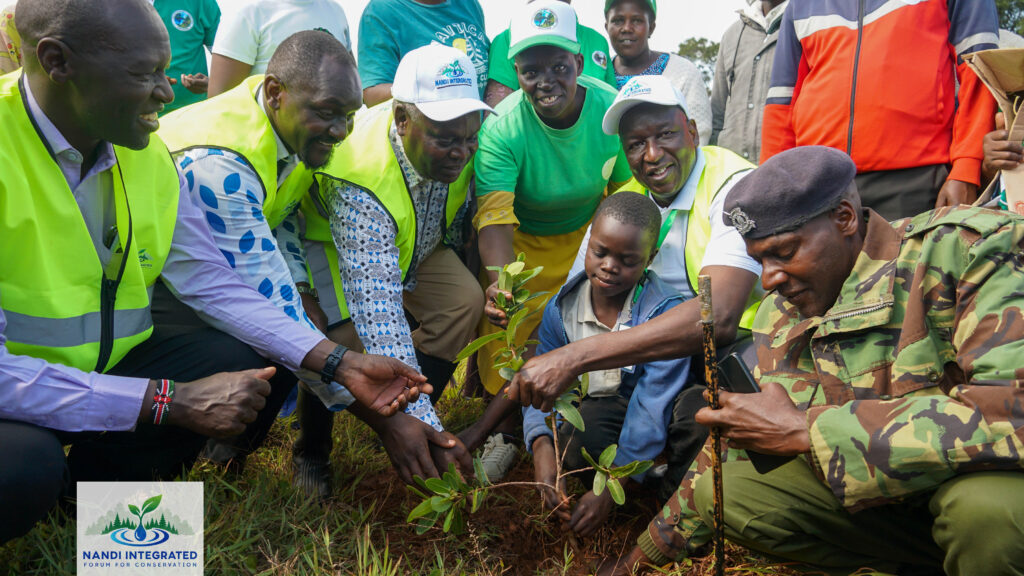
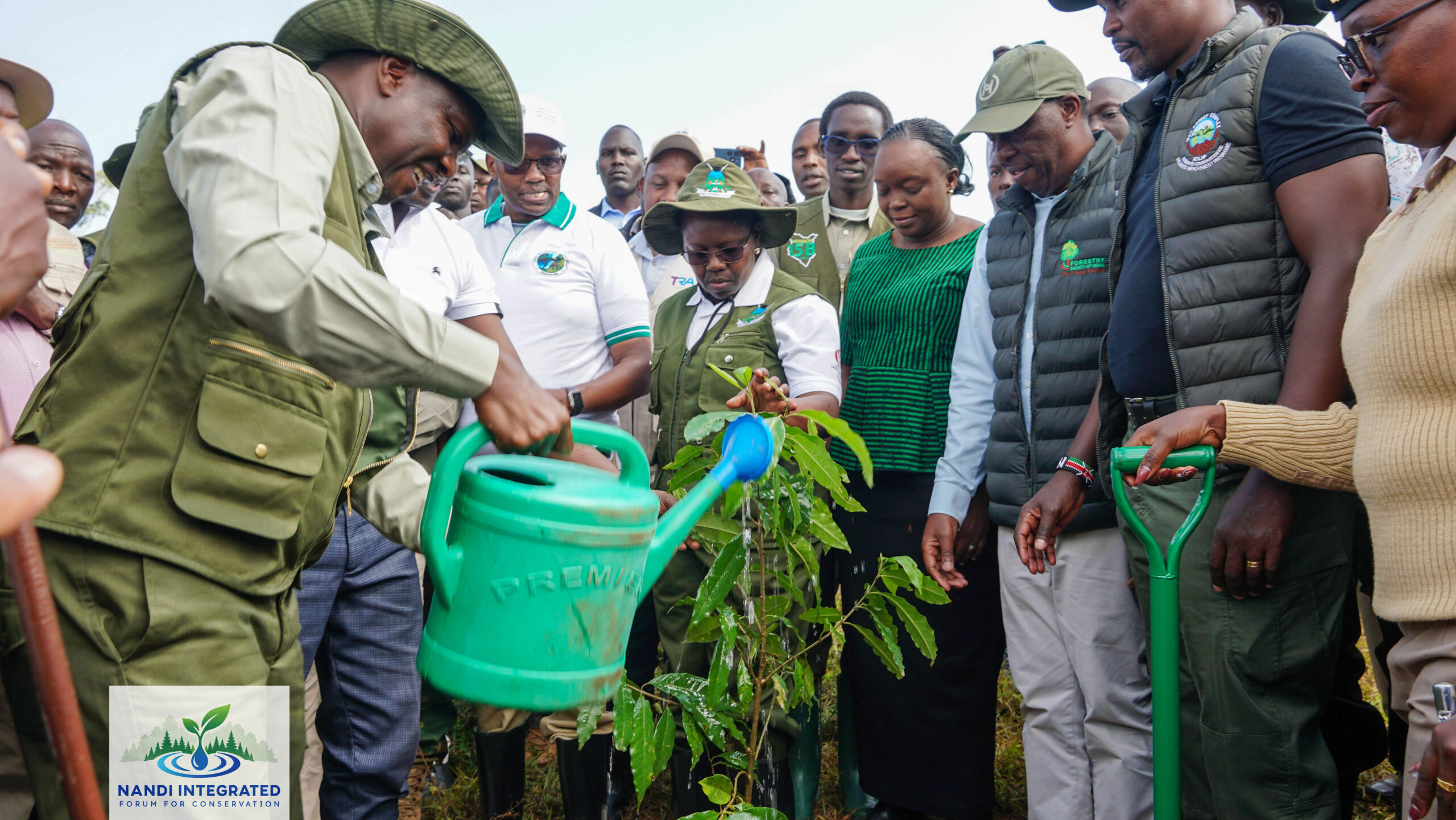
Dr. Henry Rotich leads community members during a tree-planting exercise at Chepkiep/Kiptangus Forest on the Nandi Escarpment, as part of an ongoing restoration initiative that has seen over 20,000 indigenous trees planted to rehabilitate degraded forest land and strengthen climate resilience.
Hundreds of residents and professionals under the Nandi Integrated Forum have planted more than 20,000 indigenous trees at the Chepkiep/Kiptangus Forest on the Nandi Escarpment in a renewed effort to restore the degraded ecosystem.
The community-led conservation exercise, spearheaded by Nandi professionals under the leadership of Dr. Henry Rotich, Mr. Abraham Koech, and the forum’s patron Dr. Hosea Kili, brought together residents, schools, government agencies, corporates, and environmental stakeholders in a collective campaign aimed at restoring the forest ecosystem.
The initiative brought together several partners including the National Industrial Training Authority (NITA), Kenya Bureau of Standards (KEBS), County Pension Fund (CPF), Tourism Regulatory Authority (TRA), KASNEB Foundation, Kenya Forest Service (KFS), North Nandi Community Forest Association (CFA), Kenya Seed Company, Eastern Produce Tea Company, Nandi Tea Company, Chepkiep community members, and other stakeholders.
Through the partnership involving the Kenya Forest Service and other conservation actors, approximately 74 hectares of the Nandi Escarpment have so far been restored.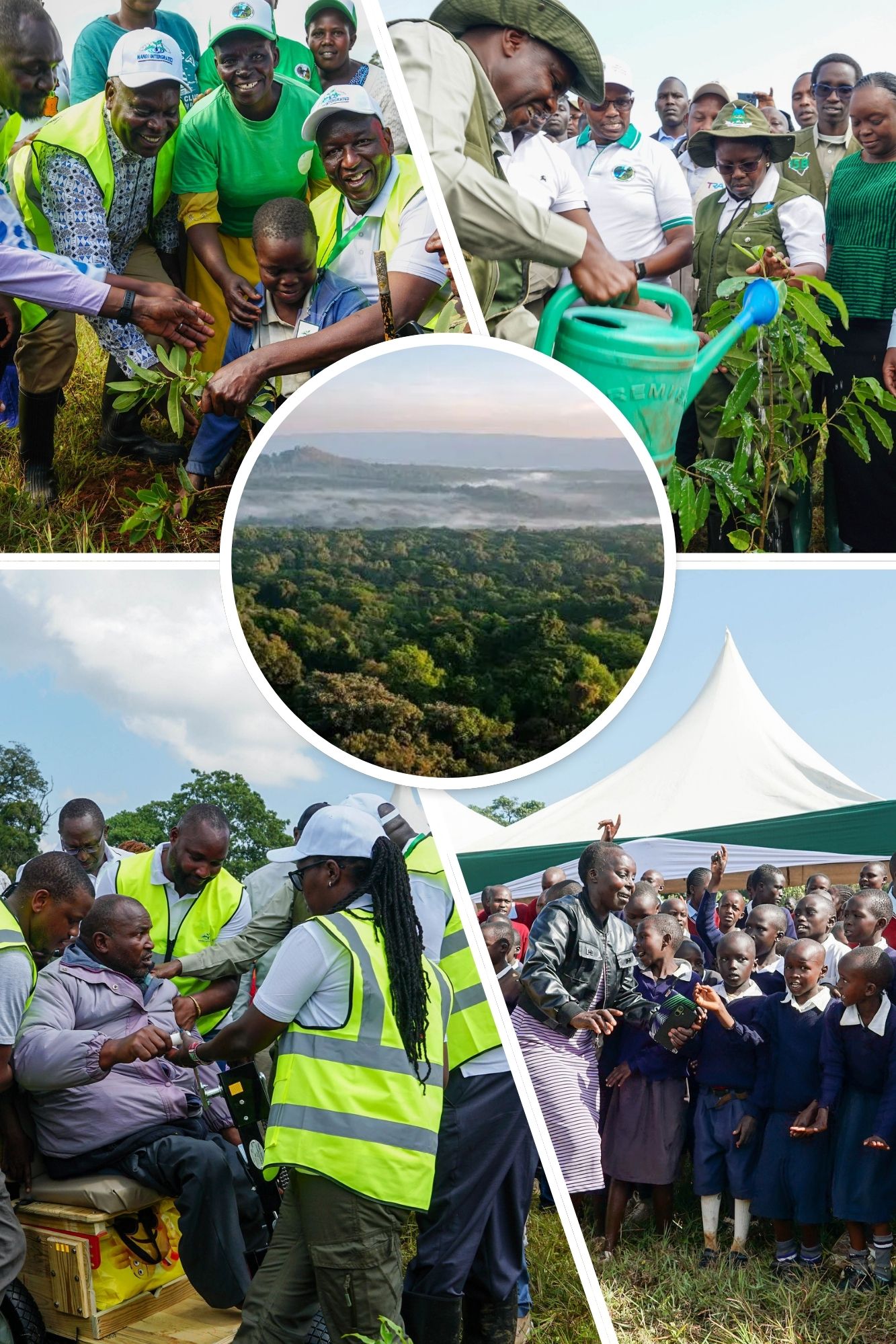
Dr. Henry Rotich said the initiative demonstrates the importance of involving communities in environmental conservation, noting that sustainable forest restoration can only be achieved when local residents become active participants.
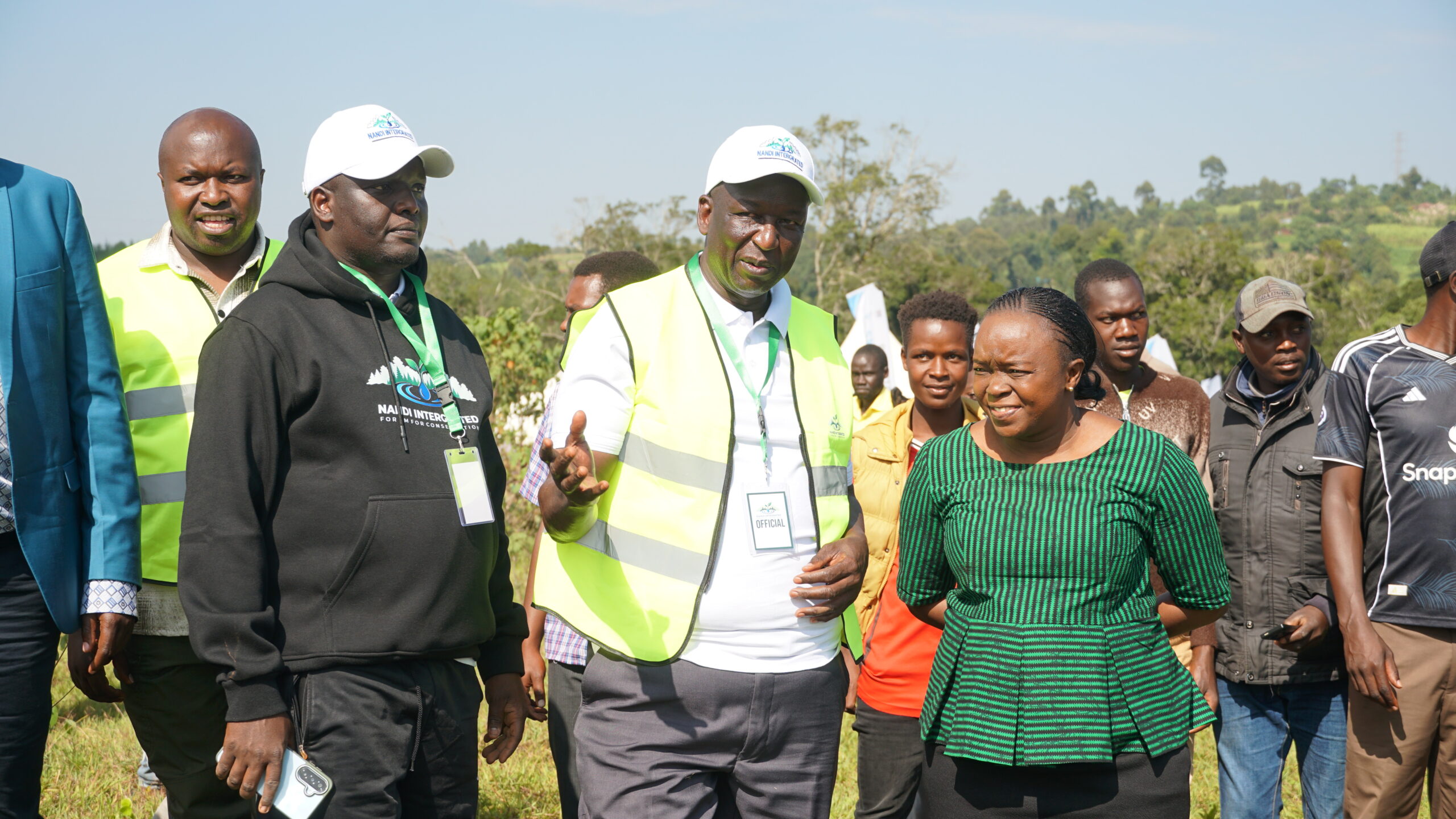
“Our objective is not only to plant trees but to restore the ecosystem and protect the future of generations. Communities living around forests must be empowered to take ownership of conservation efforts,” Dr. Rotich said.
Mr. Abraham Koech, a native of Chepkiep village where the restoration exercise was undertaken, recalled that the forest was once a dense ecosystem before years of deforestation gradually degraded the landscape.
Koech said the loss of forest cover had affected local climate patterns, with the area experiencing unpredictable rainfall trends for more than 15 years.
“I grew up seeing this forest when it was very dense. Over the years, deforestation changed the landscape and affected our weather patterns. For more than 15 years, rainfall became unpredictable, but since we started restoration efforts two years ago, we have noticed more consistency in rainfall patterns,” Koech said.
He added that the ongoing conservation campaign is not only restoring trees but also helping revive the ecological balance of the area.
“This is about restoring our water sources, protecting biodiversity, and ensuring future generations inherit a healthy environment,” he said.
Laura Sang, a member of the Nandi professionals team and a climate action champion, lauded the initiative, saying tree growing should become a shared responsibility among communities and institutions.
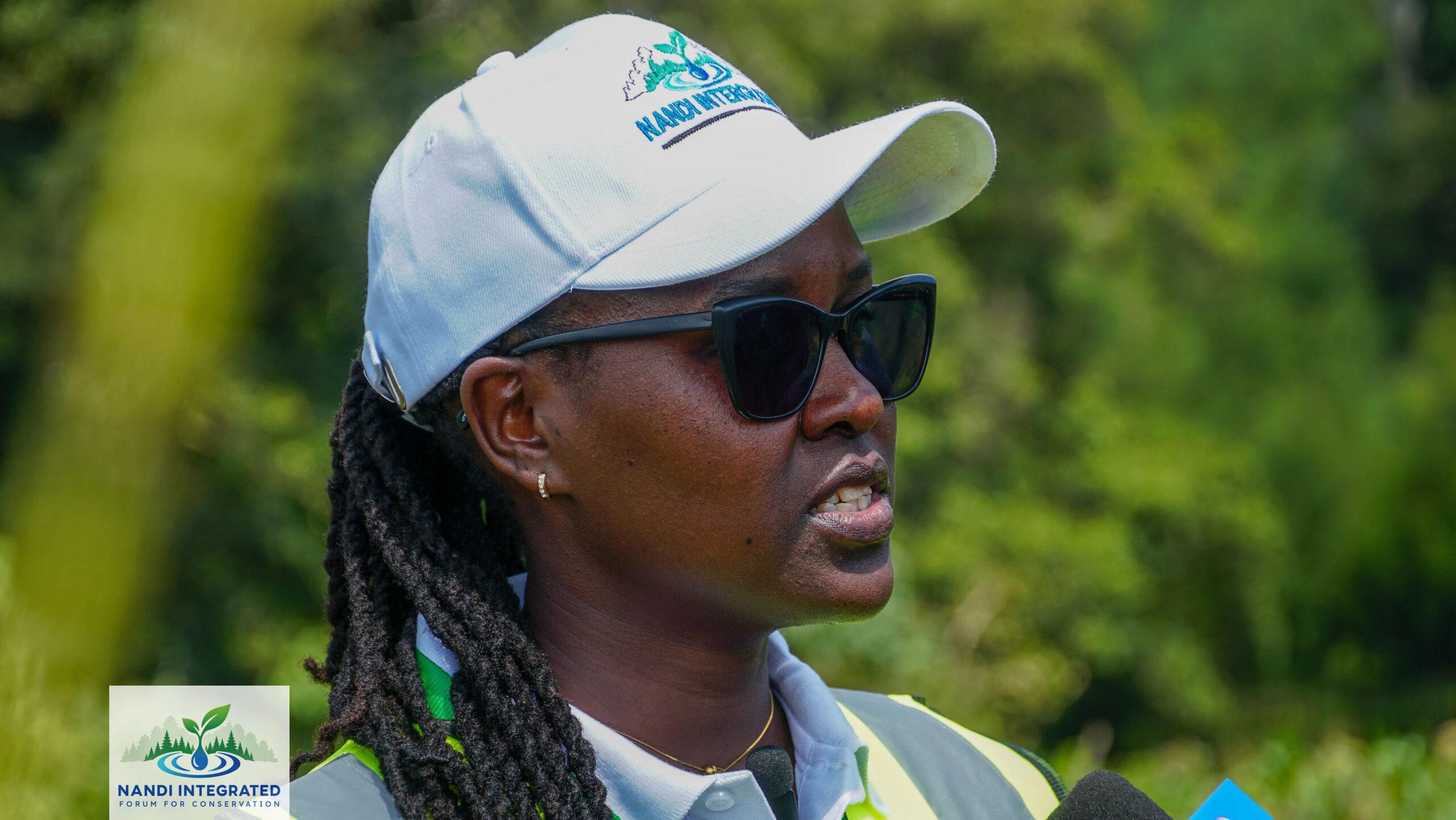
“Every tree we plant today is a gift to future generations,” Sang said.
She rallied community members and schools to embrace tree planting by establishing more conservation initiatives, including planting trees within school compounds to nurture a new generation of climate champions.
“Our children must grow up understanding the importance of protecting the environment. Schools provide an important space where we can create climate champions who will continue this work in the future,” she added.
Beyond environmental conservation, the Nandi Integrated Forum also extended support to vulnerable groups within the community. The forum donated wheelchairs to persons living with disabilities and distributed helmets to boda boda riders as part of its wider community empowerment program.
The restoration initiative was attended by senior government officials, including the Head of Public Service Felix Koskei and Cabinet Secretary for Environment, Climate Change and Forestry Dr. Deborah Mlongo Barasa.
Koskei praised the community-led effort, saying forest conservation must also improve the livelihoods of communities that protect these ecosystems.
“Communities should not only participate in conservation but should also benefit from the forests they help protect. This is the only way we can create sustainable partnerships,” Koskei said.
He encouraged landowners to plant trees along farm boundaries to increase tree cover across the country.
“Every farmer has a role to play. Planting trees along the edges of farms can significantly contribute to expanding Kenya’s forest cover,” Koskei added.
Cabinet Secretary Barasa urged families to embrace tree growing by planting at least 80 trees on their farms as part of the national environmental restoration campaign.
“Tree growing should become a responsibility for every household. If every family plants trees, we will move closer to achieving our national targets,” Barasa said.
The initiative supports the government’s 15 Billion Tree Growing Program, launched by President William Ruto to combat climate change, reverse deforestation, and increase Kenya’s tree cover to 30 percent by 2032.
Principal Secretary for the State Department for Forestry, Mr. Gitonga Mugambi, said every county has been assigned a role in achieving the national target, adding that Nandi County has already made significant progress.
“Every county has a target that contributes to the 15 billion tree program. Nandi County is already halfway towards achieving its target, but more community initiatives like this are needed to accelerate restoration efforts,” Mugambi said.
He recognized the leadership of Dr. Abraham Koech and the Nandi professionals for mobilising residents and championing forest restoration.
Nandi Governor Stephen Sang called for stronger involvement of communities living around forests, saying they should be supported through structured programs that allow them to benefit while protecting the environment.
Governor Sang proposed a program that would enable forest communities to undertake controlled activities such as grazing while taking responsibility for safeguarding newly planted trees.
“The people living around forests are important partners in conservation. When communities benefit from protecting forests, they will have a greater responsibility in ensuring these ecosystems survive,” Sang said.
The governor warned that continued degradation of the Nandi Escarpment has contributed to environmental challenges, including increased flooding in parts of the Nyanza region.
He said restoration efforts must continue to protect water catchment areas, reduce soil erosion, and strengthen climate resilience.
The Nandi Escarpment stretches for approximately 40 kilometers across western Kenya and forms a natural boundary between Nandi and Kakamega counties. Its restoration remains critical in protecting biodiversity, water resources, and surrounding communities.
About Author