AMWIK Intensifies Push for Women’s Safety and Leadership in Media
Museka revealed that research conducted by AMWIK showed that up to 60 percent of women working in media have experienced sexual harassment.
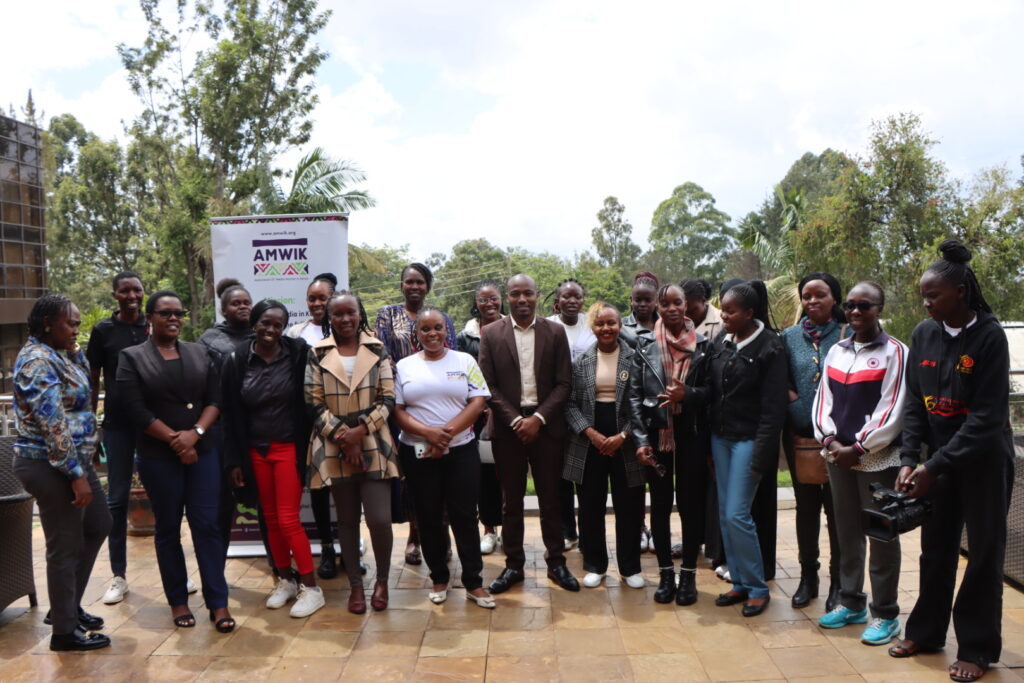
The Association of Media Women in Kenya (AMWIC) members during the training at Boma inn Hotel. Photo/Courtesy
By Ruth Sang
Media Women’s Association Expands Outreach and Membership Drive
The Association of Media Women in Kenya (AMWIK) has renewed its efforts to empower female journalists and address challenges affecting women in the media industry, as it steps up its outreach and membership recruitment across counties.
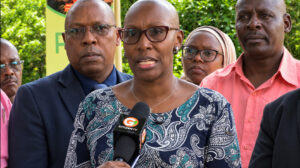
Speaking during a forum with women journalists, Lillian Museka, Programs Manager at Association of Media Women in Kenya (AMWIK), said the organization was established in 1982 at a time when women’s issues received minimal coverage in mainstream media.
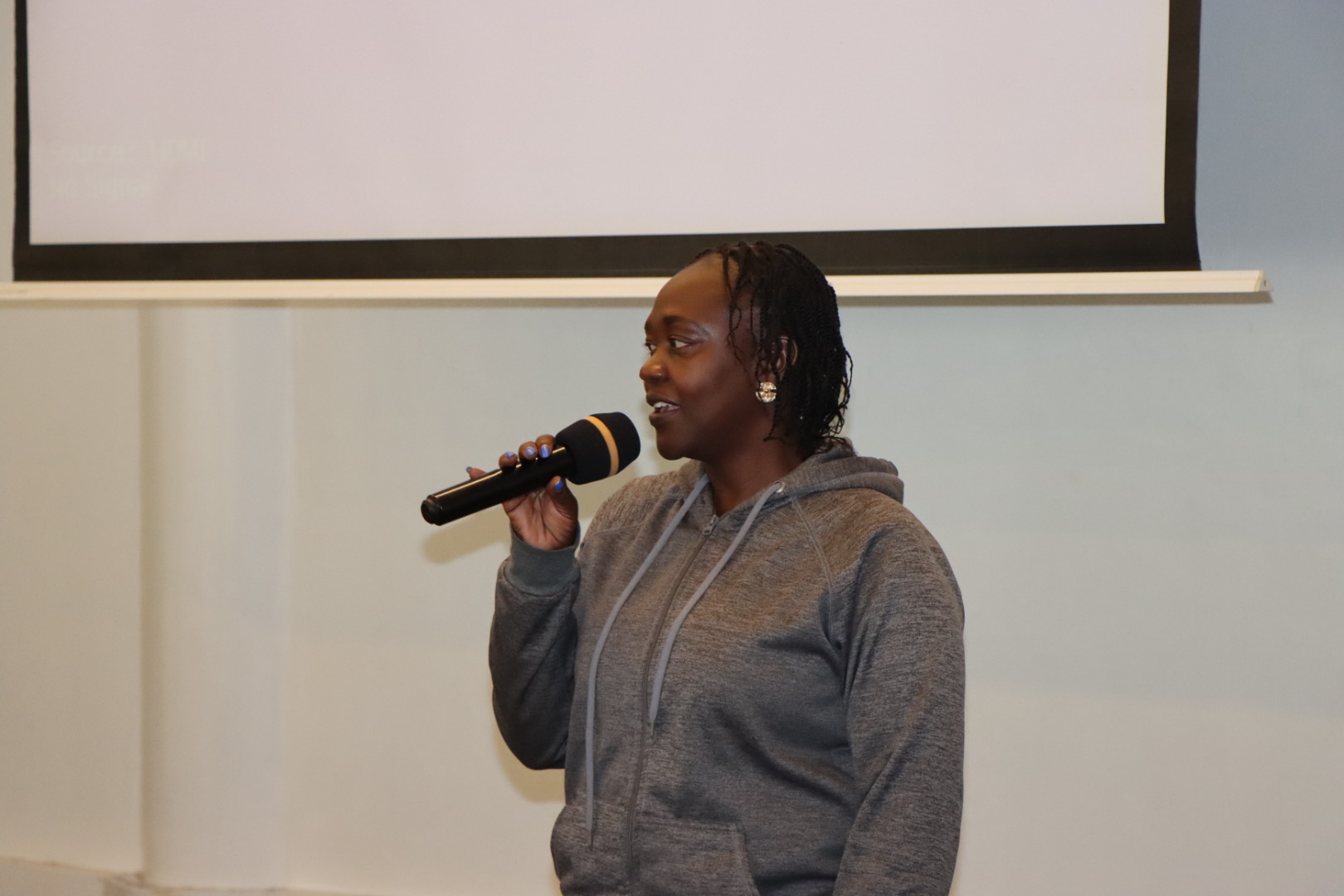
“AMWIK was formed when women’s issues were not being featured in media spaces. The objective was to use media as a tool to advocate for issues affecting women, not just women journalists but women in general, to ensure an equitable society,” she said.
Museka explained that AMWIK draws membership from women working in journalism, corporate communications, and public relations across various counties. Professional members pay an annual subscription fee of Sh3,000, while student journalists join at Sh1,500 per year.
Focus on Economic Empowerment and Digital Safety
She noted that AMWIK operates under five thematic areas: women’s economic empowerment, digital safety and security, media development and membership, gender and governance, and sexual and reproductive health and rights (SRHR).
According to Museka, the association has been working to strengthen leadership skills among women journalists while equipping them with tools to address challenges within media spaces.
One of the key areas of intervention has been combating sexual harassment in newsrooms. Museka revealed that research conducted by AMWIK showed that up to 60 percent of women working in media have experienced sexual harassment.
“As a result, we developed a model sexual harassment policy that we use to train media houses. So far, 19 media houses have adopted the policy, and we continue to seek partnerships with more institutions,” she said.
She added that AMWIK has been conducting internal trainings to support the adoption and implementation of gender-sensitive workplace policies.
Building Skills and Local Solutions
The forum also focused on mentorship and professional development, particularly for young journalists who may lack experience in reporting complex issues such as elections.
“For us, it is very important to enhance their leadership skills, empower them and mentor them. Many of the journalists we interact with are very young and need exposure and training,” Museka explained.
She emphasized the need to develop localized solutions to challenges facing women in media rather than relying solely on borrowed models.
“The most important thing is to develop solutions with them, engaging them to see how we can address the issues they are facing and advance their skills,” she said.
Media Council Highlights Safety and Code of Conduct
Also speaking at the event, Mecha Joseph from the Media Council of Kenya underscored the importance of working with government institutions to enhance the safety of women journalists.
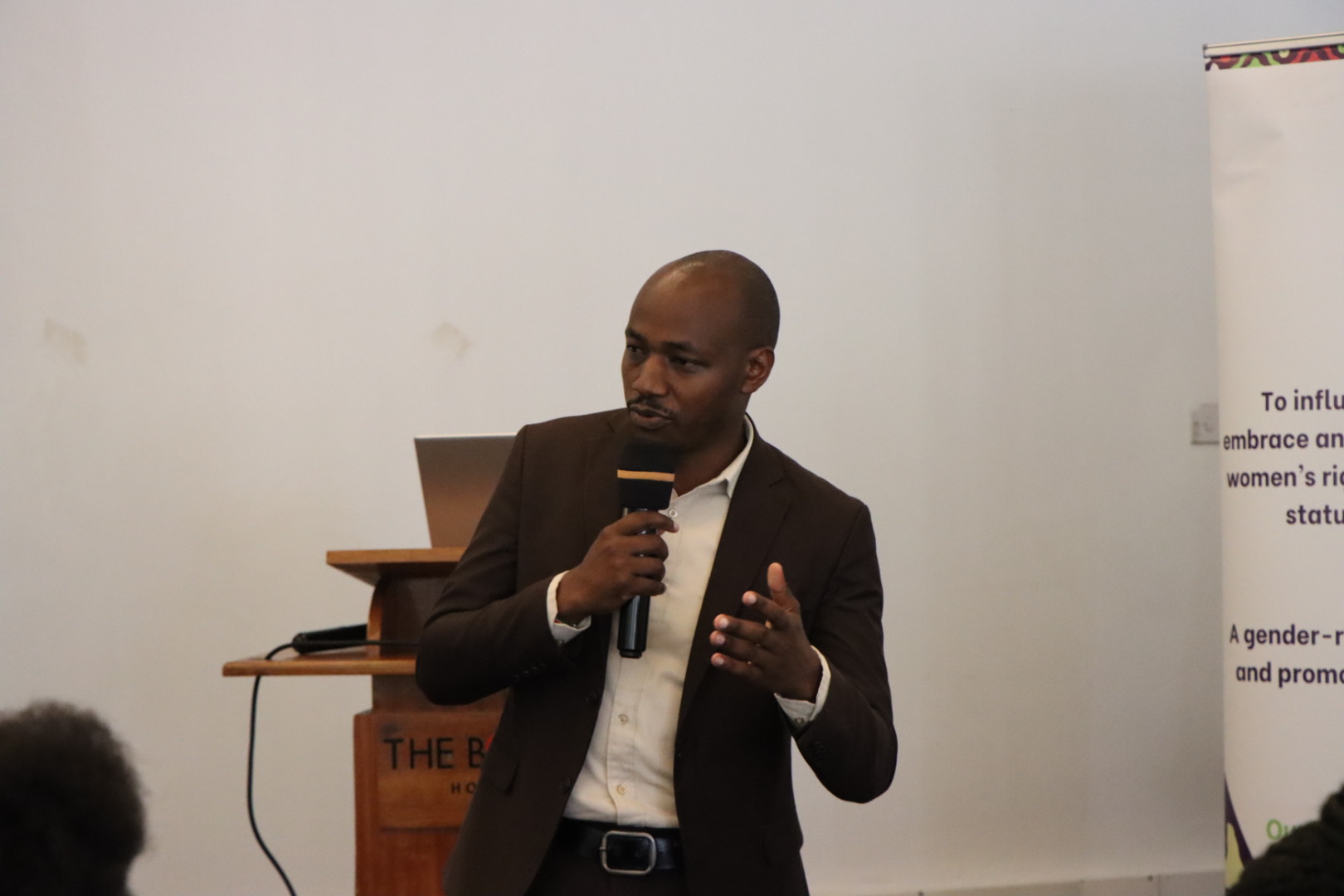
He noted that discussions during the meeting included reviewing the Code of Conduct, examining safety concerns around information gathering, and addressing workplace sexual harassment.
“We are looking at how to work hand in hand with the government to ensure the safety of our women,” he said.
The engagement brought together media practitioners and stakeholders to explore ways of strengthening protections for women journalists while improving access to information and professional opportunities.
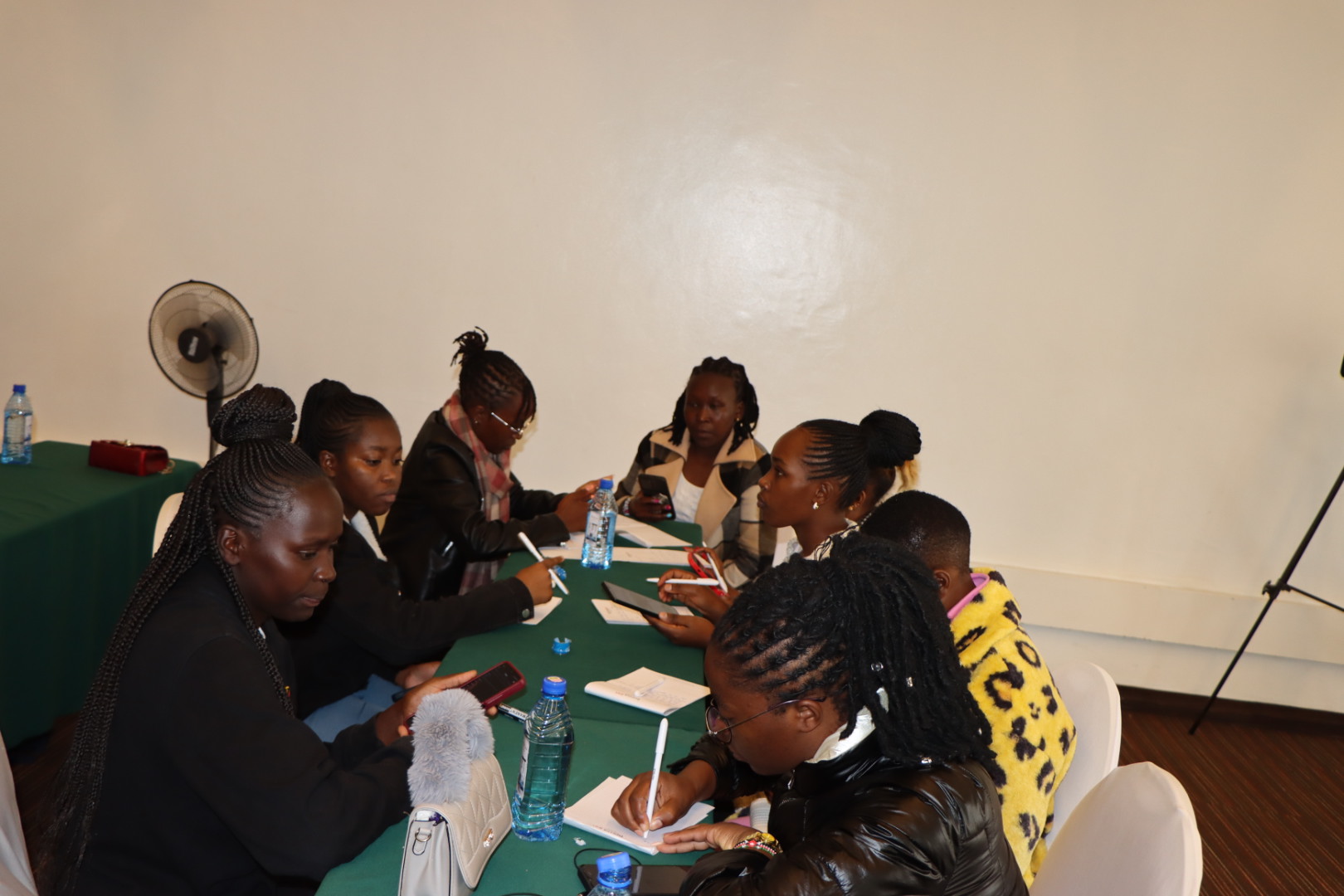
As AMWIK continues its county outreach, the organization hopes to attract more women into its membership and expand its impact in advancing gender equality, safety, and leadership within Kenya’s media landscape.
About Author