Irrigation Helps Uasin Gishu Farmer Beat Unpredictable Rains, Offering Hope for Climate-Smart Agriculture
But with weather patterns becoming increasingly erratic, many have watched their harvests shrink as rains arrive late, end too soon or fail altogether.
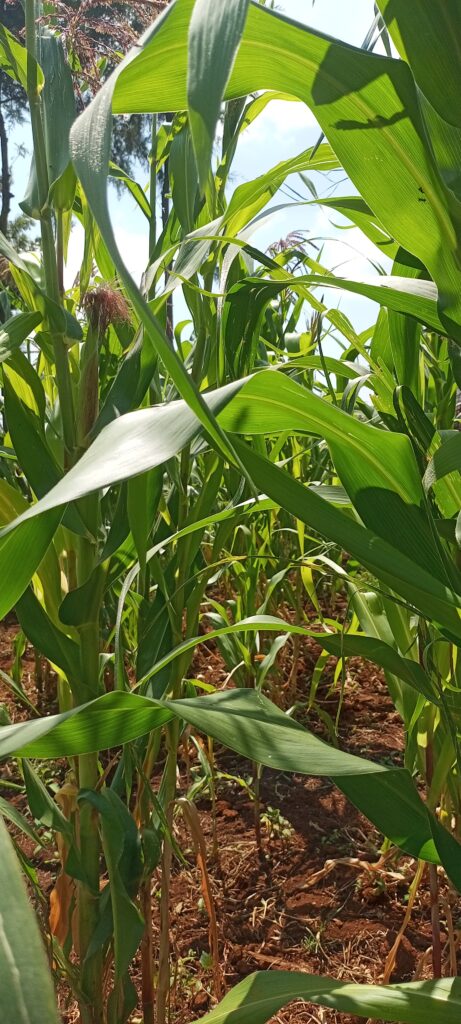
Irrigated maize.
By Ian Kiprotich
For years, maize farmers across Uasin Gishu County have depended almost entirely on seasonal rainfall to produce one of Kenya’s most important staple crops.
But with weather patterns becoming increasingly erratic, many have watched their harvests shrink as rains arrive late, end too soon or fail altogether.
In Kapseret Sub-County, one farmer is proving that a different approach can protect yields despite the growing uncertainty.
Hellen Chebet has transformed her maize farm by investing in an irrigation system that supplies water throughout the growing season, reducing dependence on rainfall and helping maintain healthy crops even during prolonged dry spells.
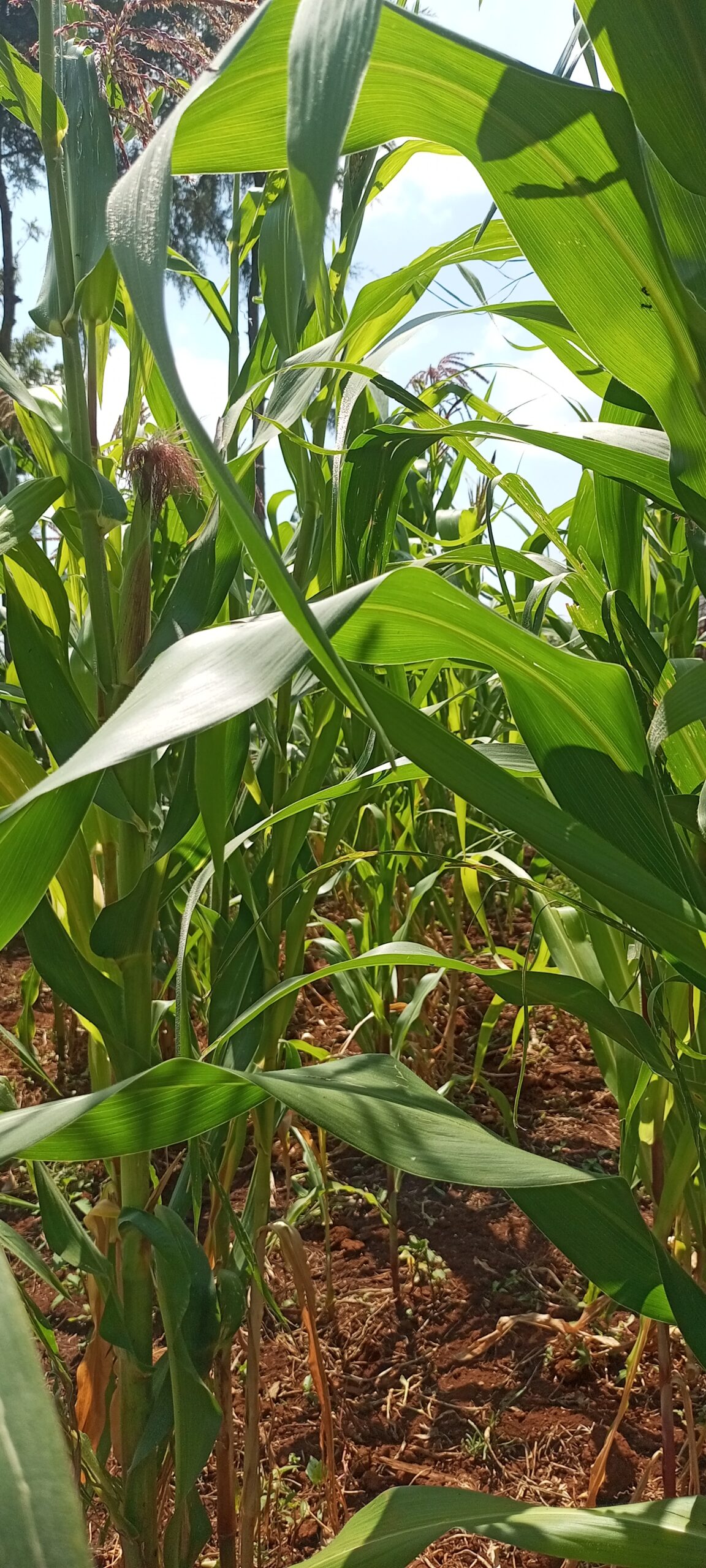
Rows of green maize stand across her farm while neighboring fields show signs of moisture stress, highlighting the role irrigation can play in sustaining food production in one of Kenya’s leading grain-producing counties.
“I decided I could no longer depend entirely on the rains,” Chebet said. “With irrigation, I can control when my crops receive water and reduce the risk of losing an entire season.”
Her experience reflects a broader challenge facing farmers in Uasin Gishu, often referred to as part of Kenya’s maize basket. Agriculture experts say climate variability is making traditional rain-fed farming increasingly vulnerable.
Research conducted by the University of Eldoret found that nearly eight out of 10 maize and wheat farmers in Uasin Gishu reported crop losses caused by inadequate rainfall during the growing season, while many also experienced losses from excessive rainfall near harvest time. The study concluded that access to reliable weather information and climate adaptation measures is becoming increasingly important for farmers.
Another study by researchers from Kenyatta University found that while farmers have adopted strategies such as changing planting dates and using improved seed varieties, irrigation remains one of the least-used adaptation measures despite its potential to reduce climate-related crop losses. Researchers attributed the low uptake to financial constraints, limited access to infrastructure and inadequate technical support.
Chebet said installing irrigation required a significant investment, but she believes the benefits outweigh the costs.
“Rainfall is no longer predictable. Irrigation has given me confidence because my crops are not entirely dependent on the weather,” she said.
Agricultural experts say irrigation enables farmers to maintain soil moisture during dry periods, improve crop growth and stabilize yields, particularly in regions where rainfall has become more erratic because of climate change.
Although Uasin Gishu remains one of Kenya’s most productive maize-growing regions, scientists warn that continued climate variability could threaten food production unless farmers adopt more resilient farming practices.
A recent study published in Scientific Reports noted that maize production in Uasin Gishu and neighboring Trans Nzoia remains predominantly rain-fed, leaving farmers highly exposed to changing rainfall patterns and rising temperatures.
The UN Food and Agriculture Organization has also identified Kenya’s Rift Valley, including Uasin Gishu, as a key cereal-producing region where rainfall patterns have a direct impact on national food supplies.
Chebet’s success has sparked conversations among neighboring farmers, many of whom regularly visit her farm to learn how irrigation works and whether it could be adapted to their own operations.
Agricultural officers have repeatedly encouraged farmers to diversify climate adaptation strategies by combining irrigation with improved seed varieties, soil moisture conservation techniques and timely weather information.
As climate change continues to reshape farming conditions across Kenya, Chebet’s experience is emerging as an example of how investment in irrigation and modern farming practices can help safeguard harvests, strengthen household incomes and contribute to the country’s long-term food security.
About Author