President Ruto Secures KSh 20.9 billion in Brussels Deals to Boost Kenya’s Digital Economy and Trade Ties
President William Ruto secured major investment commitments during his visit to Brussels, including KSh 15.3 billion under the EU–Kenya Digital Partnership and KSh 5.6 billion for the Blue Raman cable project.
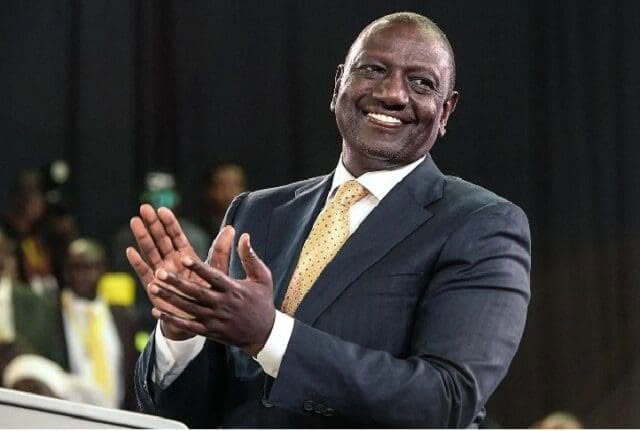
President William Ruto’s visit to Brussels yielded key agreements worth over KSh 20.9 billion, aimed at boosting Kenya’s digital economy, trade, connectivity and job creation. Photo/Courtesy
By Ruth Sang
President William Ruto seemed to just wrap up a set of top-level engagements in Brussels, Belgium, and somehow managed to land major investment pledges. He also pushed forward strategic alliances meant to speed up Kenya’s digital shift, trade momentum and overall regional connectedness; you know that type of thing.
One of the most cited results was the securing of €102 million (roughly KSh 15.3 billion) under the EU–Kenya Digital Partnership. This money is expected to back digital transformation activities, grow connectivity infrastructure, and create more employment prospects for Kenyans who will benefit directly, or indirectly depending on the timelines.
“This partnership will strengthen Kenya’s position as a regional digital hub while creating new opportunities for innovation, investment, and job creation,” officials said after the talks, they sounded pretty confident.
Ruto also acknowledged an extra €37 million (around KSh 5.6 billion) in European Union support for the Africa extension of the Blue Raman subsea cable project. That investment should improve internet connectivity across the region, and it may help reduce bandwidth costs for businesses as well as everyday consumers. Not bad at all.
In yet another major item on the agenda, Kenya and the European Union moved forward in the EU–Kenya Digital Dialogue and Data Adequacy process. If things go as planned, Kenya could become the first African country to receive an EU data adequacy decision, a milestone many believe will unlock wider digital trade, pull in more investment, and create jobs inside the technology space.
“Achieving data adequacy status would open new opportunities for Kenyan businesses to engage more seamlessly with European markets,” officials noted, in a tone that implied this is close.
President Ruto further presided over the launch of the Kenya–Benelux Chamber of Commerce, which is meant to tighten business links between Kenya and the Benelux region. That region includes Belgium, the Netherlands and Luxembourg. The chamber is expected to promote trade, lure investment, widen export markets, and support employment generation, plus more commercial networking.
The visit also gave space to deepen economic cooperation between Kenya and Belgium. Conversations zeroed in on raising trade and investment flows, including assistance for regional transport infrastructure that links the Port of Mombasa to the Democratic Republic of Congo.
These discussions came after Ruto met King Philippe, where they explored routes for strengthening bilateral ties while improving economic collaboration, you could say in a more focused, hands-on manner.
Overall, the deals and understandings secured in Brussels are expected to reinforce Kenya’s standing as a key digital and trade hub in Africa while also opening fresh corridors for investment, connectivity and job creation.
About Author