The Promises and Struggles of Devolution in Kenya
Real reform is not just talk. Pre-decision public consultations must be required by counties with recorded proof of citizen engagement
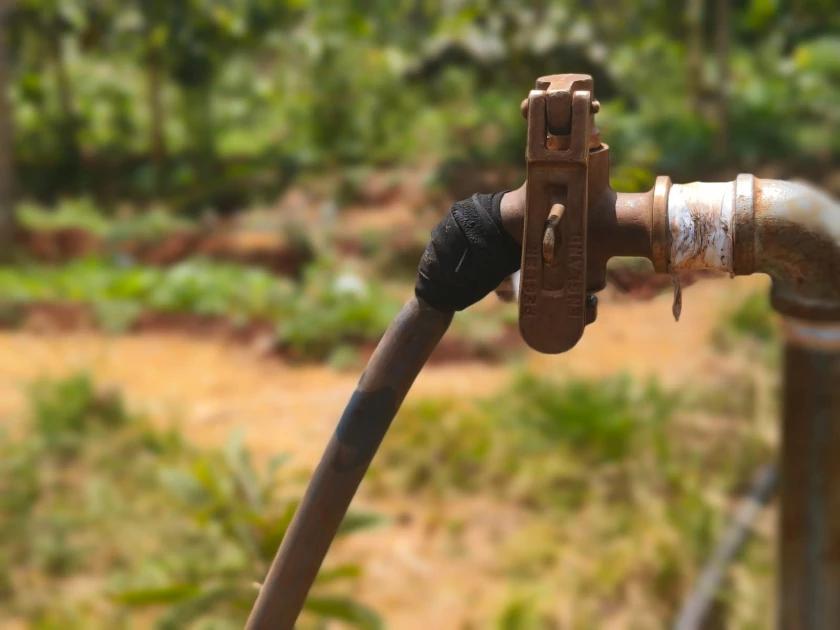
Only 300 meters away, a shiny blue borehole drilled by county officials a year ago lies dormant. Its broken handle today serves as a reminder of promises made and broken. Photo/Citizen Digital
By Juliet Jerotich
Morning sunlight beats on the back of Jane Atieno as she kneels next to a grimy stream. She fills her third jerrican of the day.
Only 300 meters away, a shiny blue borehole drilled by county officials a year ago lies dormant. Its broken handle today serves as a reminder of promises made and broken.
Jane’s everyday life illustrates the devolution paradox in Kenya. A Twaweza Sauti za Wananchi survey finds 72% of citizens believe a devolved government has improved services. However, only 29% think their voices count toward county decisions.
The disconnect will shadow the next Devolution Conference in Homabay. Politicians will use grand words, but disillusionment at the local level continues.
If pipes burst or hospitals are out of medicine, Kenyans turn to those they know will not disappoint them. For 42%, that is their MCA. Senators are far behind, with a 3% trust rating from the federal survey.
Reaching leaders is another hurdle. A mere 29% of citizens report county offices are reachable. Many are forced to pay “facilitation fees” before their grievances are addressed.
Service delivery is a mixed story. Counties perform slightly higher than the national government when it comes to healthcare, with 54% satisfaction. But they all do a dismal job at water availability, where only 32% approve, per KNBS statistics.
Corruption exacerbates the issue. 37% of the county budgets are lost through corruption, by World Bank estimates. Citizens have to go through informal channels to access basic services.
Public meetings meant for public participation end up excluding many voices. Men outnumber women three to one. Urban elites define the process, and young people label such forums “performances.”
Makueni County shows what can be achieved. With genuine public participation, they have a 65% satisfaction rate, according to UN Habitat. Their “Governor Direct” SMS service gets hundreds of daily questions. In Homabay, their leaders instead vanish until election time approaches.
Real reform is not just talk. Pre-decision public consultations must be required by counties with recorded proof of citizen engagement. Budgets require straightforward “impact statements” linking feedback to spending.
Low-tech mobile technology can help—USSD codes to report broken machinery, SMS reports of clinic construction.
Fighting bribery needs transparency and cover. Broadcast live procurement, create anonymous tip lines, and shield civil society watchdogs.
As Migori sun sets, Jane embarks on her final water ride by the dead borehole. In order to be fulfilled, devolution must be measured by functional taps and real power, not ribbon-cutting ceremonies or conference rhetoric.
About Author