Youth Urged to Reject Bribery as Eldoret Marks Africa Anti-Corruption Day
The discussions also focused on the need to protect vulnerable groups from corruption and exclusion.
By Robert Mutasi
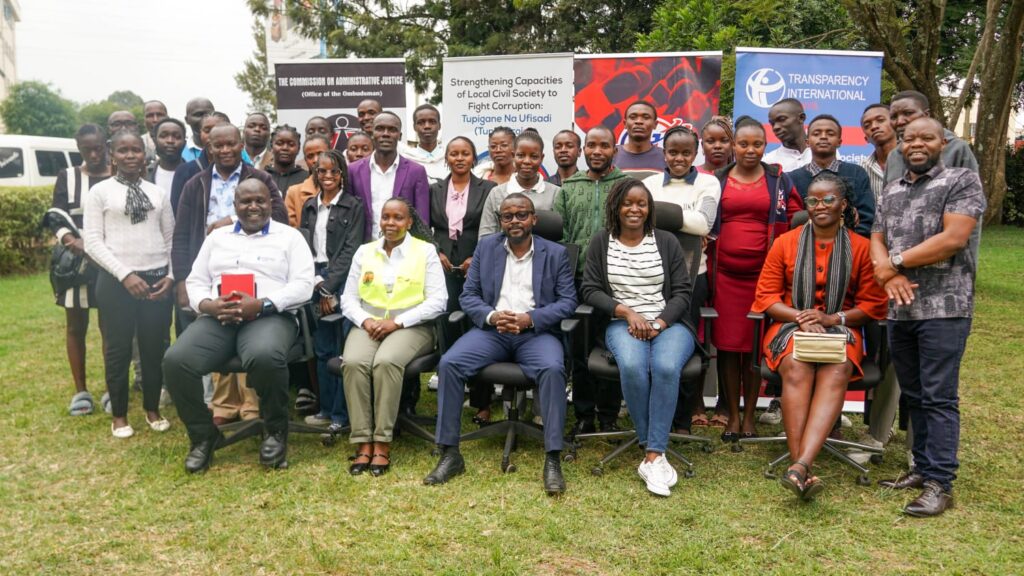
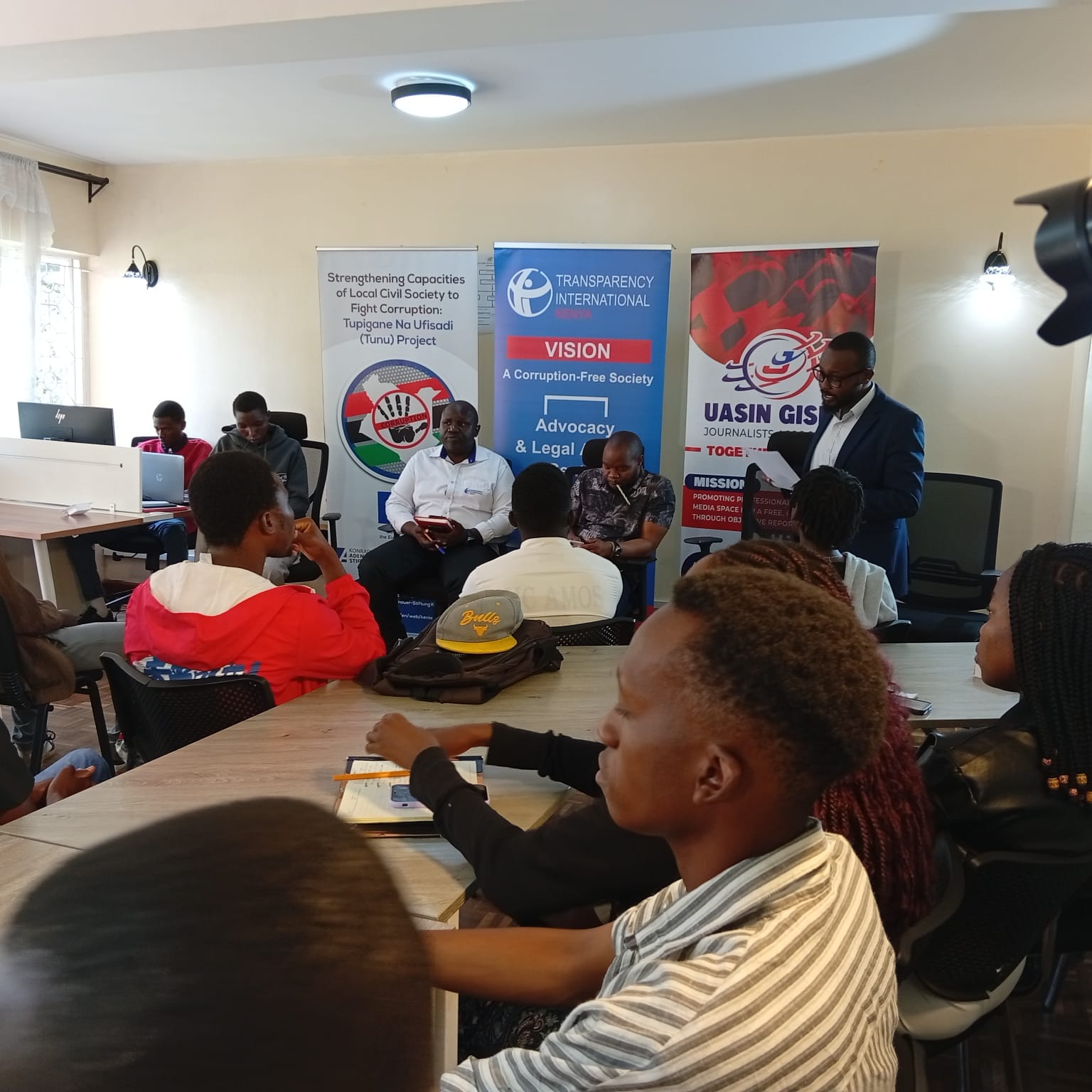
Young people, journalists and anti-corruption advocates have called for greater integrity, transparency and public accountability as Uasin Gishu County joined the rest of the continent in marking Africa Anti-Corruption Day at the Eldoret Media Hub.
The event brought together students, media professionals, civil society organizations and representatives from public institutions, who challenged young people to reject corruption in all its forms and embrace ethical leadership.
Speaking during the forum, Sonia Mitchelle, a journalism student at Moi University, urged job seekers not to pay bribes to secure employment despite the country’s high unemployment levels.
“I know many young people are looking for jobs and life is difficult. But do not accept to buy a job if you do not qualify for it. Apply through the right process, professionally and legally, and let your merit speak for itself,” she said.
Her sentiments were echoed by fellow journalism student Geen Ogolla, who said corruption begins with individual choices.
“There is no need to give bribes or engage in any form of corruption. Practice integrity because it starts with you. If you pay for an opportunity, someone who genuinely deserves that position may lose it,” Ogolla said.
The discussions also focused on the need to protect vulnerable groups from corruption and exclusion.
Gen Z youth representative Diana Nanjala called on the government to strengthen civic education, particularly for persons with disabilities living in rural and marginalized communities.
“Many persons with disabilities are not aware of their constitutional rights or the provisions of the Disability Act. Capacity building is necessary so they understand their rights and can demand the services they deserve,” she said.
Participants also highlighted the role of investigative journalism in exposing corruption and promoting accountability.
Rahab Gati, a journalism student at The Eldoret National Polytechnic, encouraged young journalists to reject unethical practices while using investigative reporting to uncover wrongdoing.
“It starts with every individual deciding to say no to corruption. Journalists also have a responsibility to investigate and expose hidden cases of corruption for the public good,” she said.
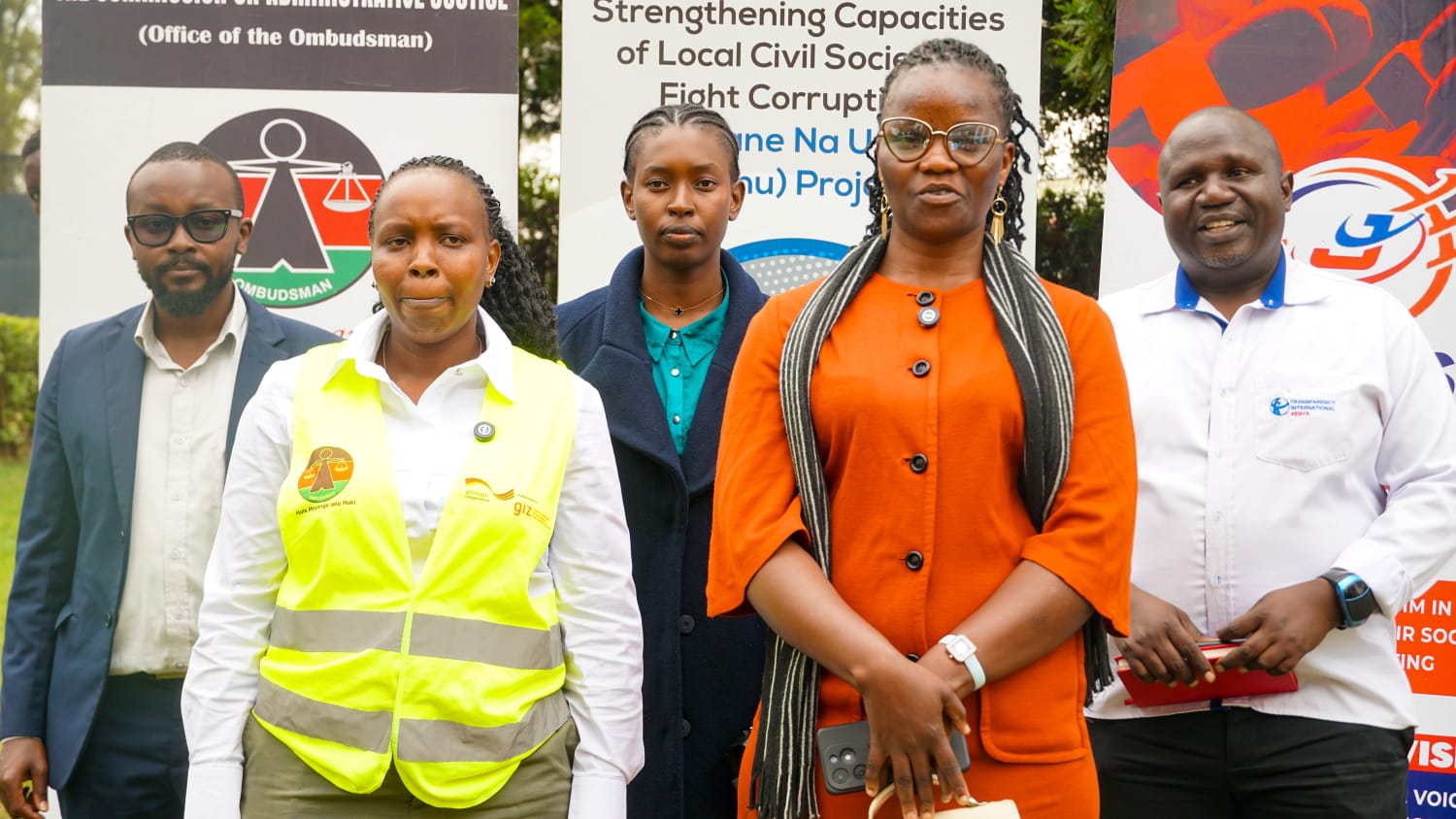
Representing the Commission on Administrative Justice, Officer Eunice Keter reaffirmed the commission’s commitment to promoting transparency and protecting citizens’ rights.
“The Commission on Administrative Justice remains ready to collaborate with all stakeholders to strengthen accountability and transparency in the public sector. We continue creating awareness about the right to fair administrative action and the constitutional right to access information, which every citizen should exercise,” Keter said.
Officials from the Uasin Gishu Journalists Association said changing public attitudes remains one of the biggest challenges in the fight against corruption.
The association’s journalism coordination manager, Ibrahim Too, said previous engagements with young people revealed that many only condemn corruption when they are disadvantaged by it.
“Last year we found that many young people viewed corruption differently depending on whether they benefited from it. Our goal is to change that mindset because corruption affects every citizen and continues to slow Africa’s development,” Too said.
Uasin Gishu Journalists Association Chairman James Gitaka challenged African leaders and the media to take a stronger stand against corruption by building institutions founded on integrity.
“There is still a great deal of work for journalists and African leaders. Countries such as Finland and Denmark have shown that transparency, accountability, strong institutions and an independent judiciary are essential in reducing corruption,” Gitaka said.
Transparency International also used the event to encourage public participation in combating graft.
Tom Juma, an officer with the organization, said findings from corruption perception and bribery surveys continue to show that sectors such as land administration and policing remain among those most vulnerable to bribery.
“Our objective is to reduce corruption by encouraging citizens to stand together, demand accountability and actively participate in the fight against bribery,” Juma said.
Africa Anti-Corruption Day is observed annually on July 11 to commemorate the adoption of the African Union Convention on Preventing and Combating Corruption. The day serves as a platform for governments, civil society, the media and citizens to strengthen partnerships aimed at promoting integrity, good governance and sustainable development across the continent.
About Author