World Enters ‘Danger Zone’ as UN Warns of Strongest El Niño in Over 70 Years
UN Secretary-General António Guterres said the planet has entered a “danger zone of extreme weather.”
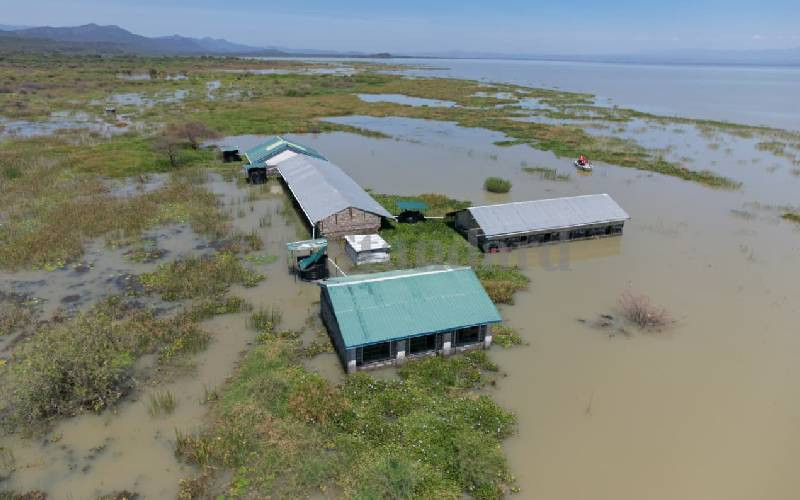
Photo: Courtesy.
By Robert Mutasi
The United Nations has warned that the world is facing a “supersized” El Niño that could become the most powerful on record in more than seven decades, with extreme weather impacts expected to last well into 2027.
In its latest update released on Wednesday, the World Meteorological Organization (WMO) said sea surface temperatures in the Pacific have risen sharply, putting the current event on track to be declared “very strong” and potentially the strongest since 1950.
UN Secretary-General António Guterres said the planet has entered a “danger zone of extreme weather.”
“El Niño is being supersized before our eyes. The science leaves no room for doubt: the planet is in uncharted waters, and those waters are heating up,” Guterres said.
El Niño is a natural climate pattern that forms in the tropical Pacific Ocean when trade winds weaken, allowing warm water to spread eastward and release huge amounts of heat into the atmosphere. The phenomenon disrupts global weather, triggering drought in some regions and floods and intense storms in others, while pushing global temperatures even higher on top of climate change.
According to WMO data, surface temperatures in the key monitoring region of the central and eastern Pacific have been more than 2°C above average in recent weeks. Forecasts indicate they could reach close to 4°C above average — a threshold never seen in modern records. Beneath the surface, anomalies are even more staggering, with waters in places over 8°C warmer than normal.
Above-normal temperatures are also being recorded in the Indian Ocean, tropical Atlantic and off the coast of Australia.
WMO Secretary-General Celeste Saulo said the organisation has launched a “major mobilisation” to get early warnings to vulnerable communities.
“El Niño has the potential to deliver a massive blow to communities and economies across the world. We are already seeing disruption and devastation from droughts and floods and we expect these impacts to increase as El Niño intensifies,” Saulo said.
Drought, Wildfires and Trade Disruption
The impacts are already being felt. The WMO forecasts drier-than-normal conditions in the coming months across Southeast Asia, Central America and northern South America, raising the risk of drought and wildfires.
In Indonesia, more than 107,000 hectares have burned this dry season. Residents in Central Kalimantan reported thick smoke stinging their eyes for over a month, as the government deploys cloud-seeding aircraft to trigger rain and cracks down on illegal land clearing.
In Panama, authorities will cut transits through the Panama Canal by over 10% starting this week due to low rainfall. The canal handles about 14,000 vessels per year and generates about $3 billion annually.
Floods, Typhoons and Marine Heatwaves
At the opposite extreme, wetter conditions are expected in eastern Africa, southern Brazil, the southern US, and parts of Peru and Ecuador, increasing flood and landslide risks in urban areas.
China is bracing for seven typhoons this year, which experts link to the super El Niño. In July and August alone, storms forced more than a million people to evacuate.
In the oceans, marine heatwaves are threatening fisheries and coral reefs. While forecasts suggest the Great Barrier Reef may be spared the worst this time, southern Australia is “getting slammed,” according to Dr Alistair Hobday of Australia’s CSIRO. The last major heatwave there caused starving penguins, fish kills, toxic algae and jellyfish swarms.
Australia has now introduced early warning systems for marine crises to allow relocation of species and financial relief for fishers, but Hobday said this event is unprecedented.
Peru, which sits on the frontline of El Niño, is reinforcing flood defences and improving access to river level data. The US last month deployed the medical ship USNS Comfort to its coast.
Experts stress that while El Niño is natural, its impacts are worsened by underlying vulnerabilities — housing in flood-prone areas, fragile water systems and weak health infrastructure.
“We are significantly concerned, but that concern needs to translate into preparedness rather than alarm,” said Miguel Aréstegui of Practical Action, which supports early warning systems in South America.
About Author