Women Aspirants from Four Western Kenya Counties Trained Ahead of 2027 General Election
She said partnerships involving KEWOPA, UN Women, IEBC and ORPP were critical in preparing women to navigate the political environment ahead of the 2027 elections.
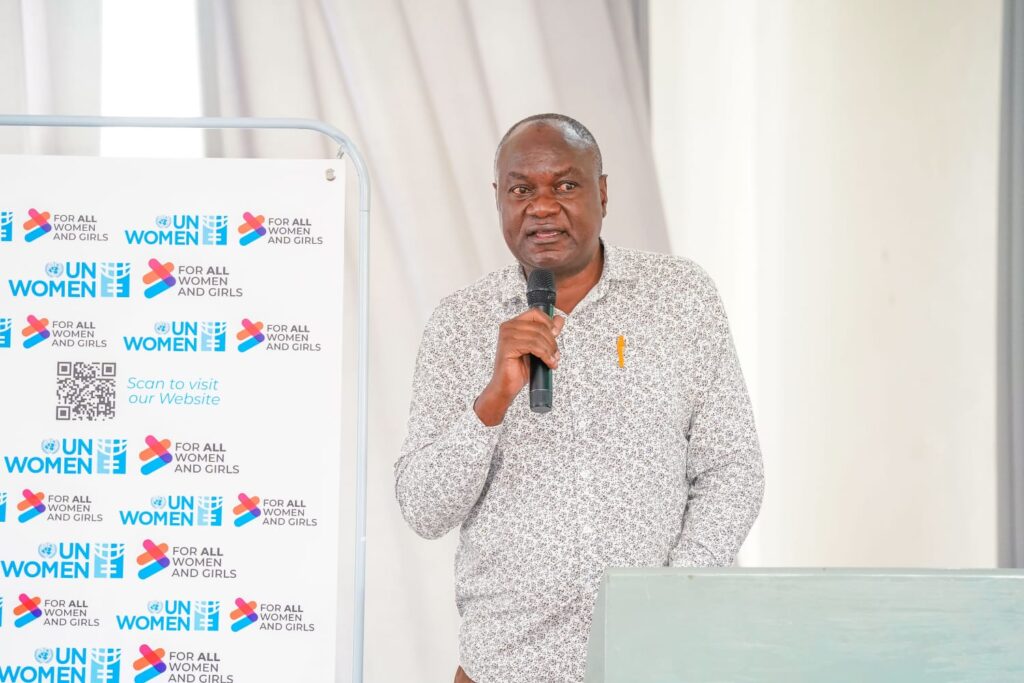
John Mbatekwa Ag deputy director of IEBC Elections preparations in Kisumu county.
By Grace Wafubwa
Women aspiring for elective positions in Vihiga, Siaya, Kakamega and Kisumu counties are strengthening their preparations for the 2027 General Election following a sensitisation forum aimed at equipping them with knowledge of electoral procedures, campaign financing and legal requirements.
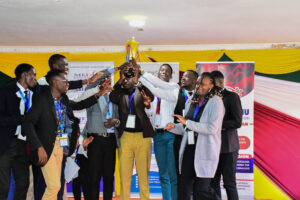
The forum, organised by the Kenya Women Parliamentary Association (KEWOPA) in partnership with the Independent Electoral and Boundaries Commission (IEBC), UN Women and the Office of the Registrar of Political Parties (ORPP), brought together women eyeing various leadership positions.
The aspirants are targeting seats ranging from governor, senator and woman representative to Members of Parliament and Members of County Assemblies (MCAs).
The engagement seeks to address information gaps and structural barriers that have historically limited women’s participation in politics while preparing them to navigate electoral processes and compete effectively for elective positions.
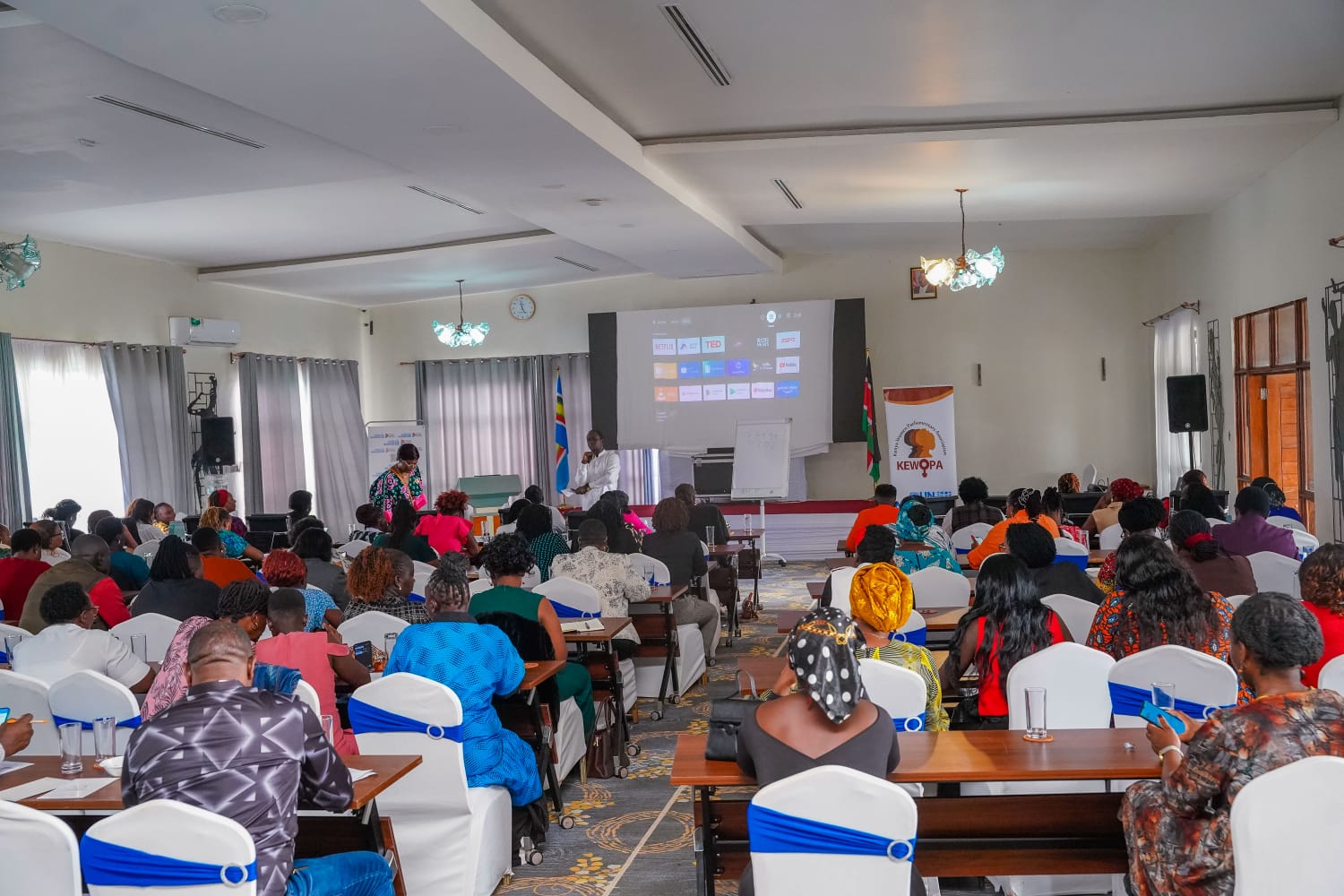
Speaking during the forum, John Mbatekwa, Acting Deputy Director of Elections Operations in Kisumu County, said the training was designed to familiarise aspirants with electoral timelines, eligibility requirements, candidate registration procedures and campaign financing regulations.
Mbatekwa emphasised the importance of understanding electoral boundaries, voter registration requirements and the procedures governing participation in elections.
He urged women aspirants to familiarise themselves with party nomination processes and IEBC requirements to avoid disqualification or missing opportunities to contest.
“An informed candidate or an informed voter makes better judgments and better decisions than one who is totally not informed,” he said.
He encouraged political parties to take responsibility for educating their members on nomination procedures and electoral timelines, warning that missing party nominations could complicate attempts to contest as independent candidates.
Mbatekwa added that aspirants could access electoral information through the IEBC website, constituency offices and county offices.
Addressing Barriers to Women’s Political Participation
KEWOPA said the initiative forms part of broader efforts to increase the number of women seeking and securing elective positions, particularly as Kenya continues to face challenges in implementing the constitutional two-thirds gender principle.
Mercy Mwangi, Executive Director of KEWOPA, said the association was working with various institutions to ensure women aspirants have access to information and resources needed to make informed political decisions.
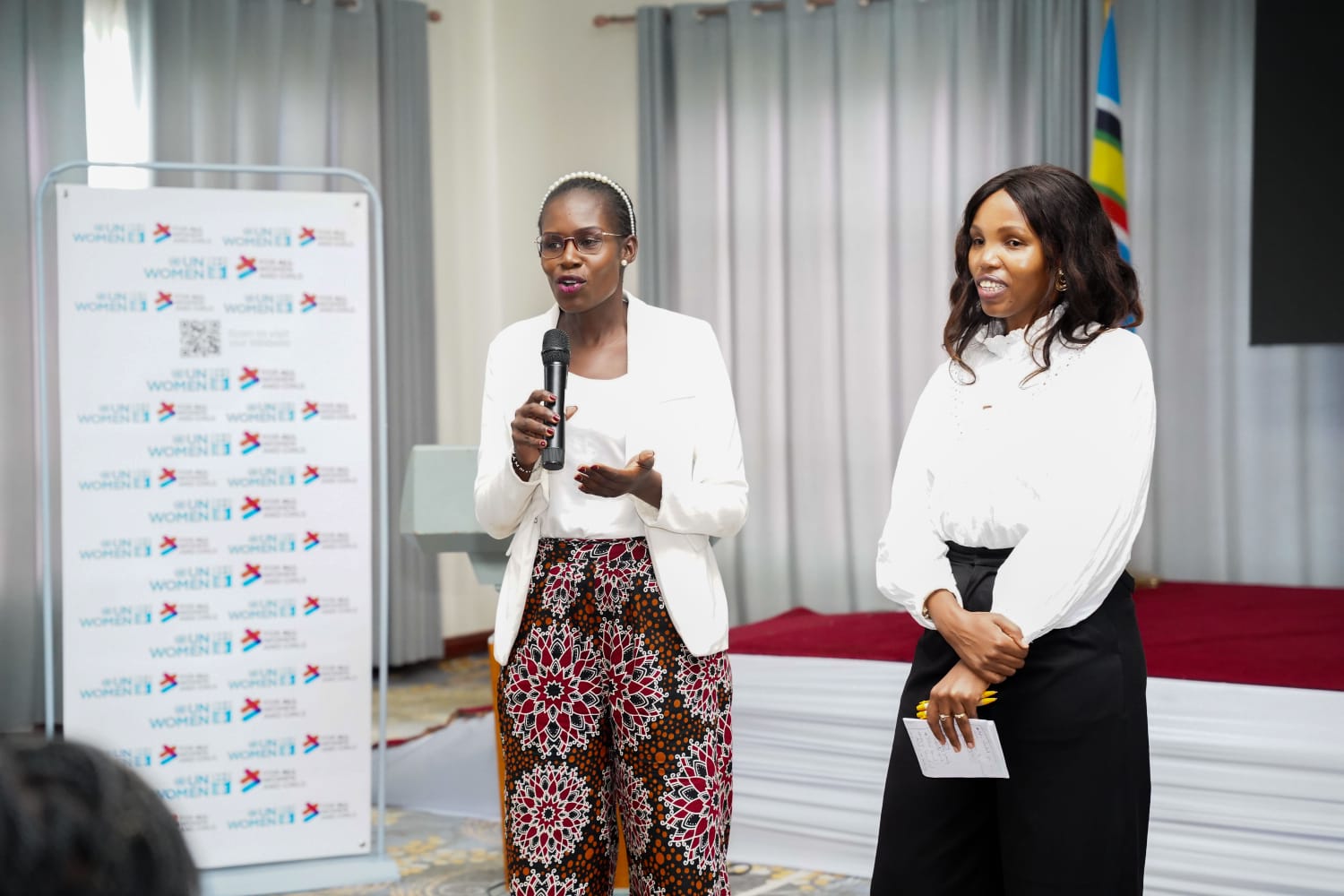
She identified inadequate campaign financing, physical violence, online harassment, cultural restrictions and limited support from political parties as some of the major obstacles facing women seeking political leadership.
Mwangi noted that the rising cost of political campaigns had made financing a significant challenge, with women aspirants often facing pressure from voters to distribute money and other handouts.
She also raised concern over increasing online harassment targeting women in politics, including attacks on their physical appearance, family backgrounds and personal lives.
“There’s a lot of violence, both physically during the campaign trail, but we are also seeing a lot of online violence,” she said.
She called on political parties to create more opportunities for women to contest different positions and ensure resources allocated to special interest groups benefit women, youth and persons with disabilities.
Mwangi further emphasised the need to engage cultural leaders and community influencers in challenging societal attitudes and practices that discourage women from seeking political leadership.
Aspirants Welcome Electoral Preparedness Training
Former Central Seme Ward MCA Sally Okudo welcomed the sensitisation programme, saying it had equipped participants with valuable information about electoral procedures and institutions mandated to address violence against political aspirants.
She said partnerships involving KEWOPA, UN Women, IEBC and ORPP were critical in preparing women to navigate the political environment ahead of the 2027 elections.
“Information is power. I believe the women who have attended this session are leaving this place with a lot of knowledge. We are feeling very powerful right now,” Okudo said.
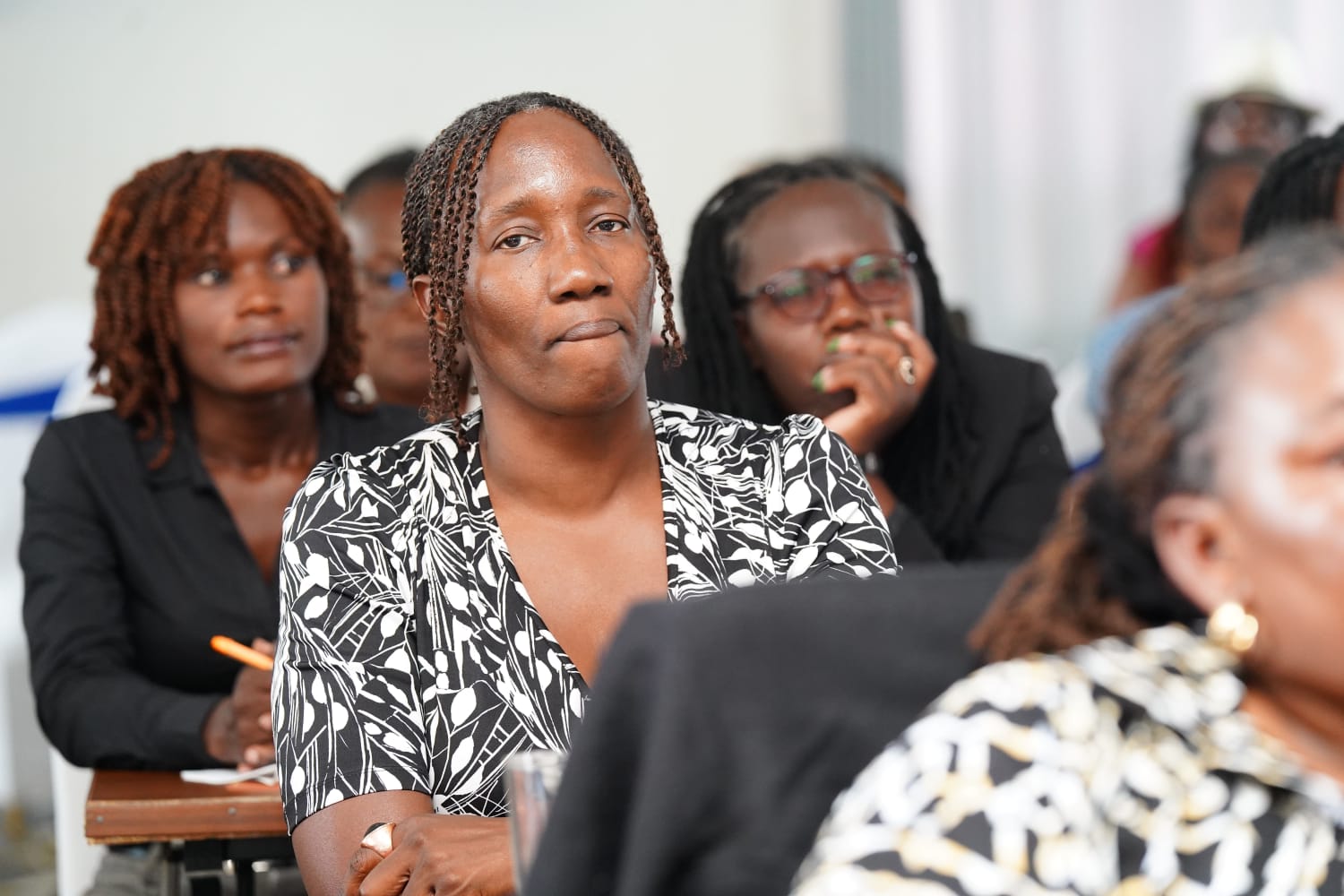
She called for stronger security measures to protect women candidates from physical violence and cyberbullying, urging aspirants to understand the institutions responsible for addressing human rights violations and electoral-related insecurity.
Meanwhile, Peris Amunga, who is eyeing the Kakamega County Woman Representative seat, said the forum had strengthened her understanding of campaign financing, women’s rights and the preparations required ahead of the elections.
She said the knowledge gained would enable her to approach the campaign period with greater confidence while understanding her rights and available support mechanisms.
“From this seminar, we know that we are quite powerful, we have our rights and we know which doors to knock on when there is violence against us,” she said.
Amunga also cautioned against the use of hired gangs as political security, warning that normalising intimidation and violence could discourage women from participating in elective politics.
The sensitisation programme is expected to strengthen women’s electoral preparedness by improving their understanding of nomination procedures, campaign regulations, political rights and available protection mechanisms.
Through the collaboration, the participating institutions seek to create a more inclusive political environment in which women can pursue elective leadership without intimidation, discrimination or unnecessary institutional barriers.
About Author