Uhuru Kenyatta Warns Trust Deficit Is Africa’s Biggest Threat to Peace Efforts
Former President Uhuru Kenyatta has warned that a growing trust deficit between governments and citizens is undermining peace efforts across Africa.
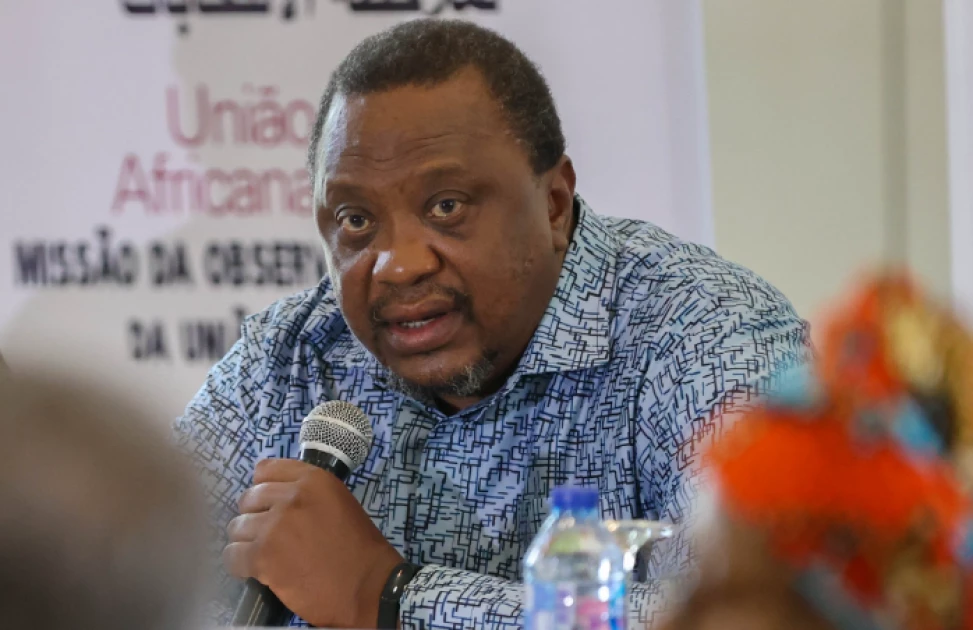
File image of former President Uhuru Kenyatta. /Courtesy
By Ruth Sang
Former President Uhuru Kenyatta has warned that the increasing trust deficit in Africa acts as the primary barrier which prevents the achievement of lasting peace throughout the continent.
During his presentation at Johannesburg Arbitration Week 2026 Kenyatta explained that mediation processes usually lead to agreements but the actual implementation of those agreements faces major obstacles because of existing distrust between governmental bodies and community members and citizens.
“Agreements can be reached but sustaining them is far more complex when trust is broken he noted.
Kenyatta made his statement at the “Statesmen in Dialogue: Leadership and Dispute Resolution in Africa” panel discussion which featured former heads of state who provided their expertise on governance matters and methods to resolve conflicts.
He used his mediation work in South Sudan Ethiopia and the Democratic Republic of the Congo to show that only through inclusive governance and fair resource distribution can countries solve their ongoing wars.
He also warned that African countries now face diminished power because their continental institutions have become divided which creates a situation that differs from the common strength they demonstrated during the original Pan-Africanism era.
“Unity exists as an essential requirement which needs to be achieved through collective efforts” Kenyatta said.
The three-day forum hosted by the Arbitration Foundation of Southern Africa brought together policymakers arbitrators business leaders and academics to discuss the future of dispute resolution under the theme “Arbitration in a fragmented global order.
Other high-profile participants included former presidents Joaquim Chissano Goodluck Jonathan and Ellen Johnson Sirleaf.
The discussions highlighted the urgent need for stronger institutions inclusive leadership and renewed commitment to unity in advancing peace and development across the continent.
About Author