Sanara Empowers 20,000 Young Creatives With Sh1.2B
HEVA Fund Programme Manager Tabitha Masese said collaboration among stakeholders remains central to unlocking the creative sector’s economic potential.
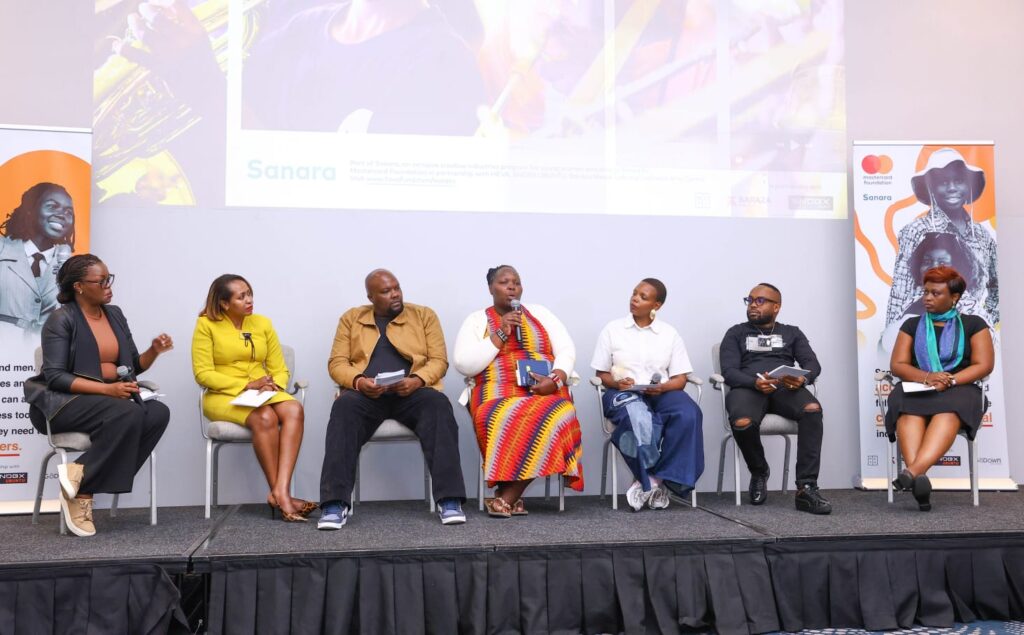
More than 20,000 young creatives have benefited from the Sanara programme, with over Sh1.2 billion invested to support 330 creative enterprises and 3,000 startups across Kenya. Photo/Courtesy.
By Peter Otieno
More than 20,000 young creatives across Kenya have received business and technical skills training through the Sanara programme, which has also disbursed more than Sh1.2 billion in grants and commercial financing to support the country’s expanding creative economy.
The initiative has financed more than 330 creative enterprises and supported over 3,000 startups in Nairobi, Mombasa, Nakuru, Kisumu, Kakamega and Turkana counties, according to programme partners.
Backed by the Mastercard Foundation and implemented by HEVA Fund, SNDBX Ubuntu, Baraza Media Lab and GoDown Arts Centre, the programme combines affordable financing with business development, technical training, market access and policy support to help creative businesses grow sustainably.
Demand for Sanara’s Ota loan facility has reached nearly Sh4 billion, underscoring the financing gap facing creative entrepreneurs and the increasing appetite for investment in the sector.
The programme has prioritized inclusion, with women leading 63 percent of financed businesses. Nearly 30 percent of beneficiaries have also accessed formal credit for the first time.
Speaking during the Sanara Creative Economy Learning Forum in Nairobi, HEVA Fund Investment Director Pamela Mutembei said access to affordable capital must be accompanied by business capacity building if creative enterprises are to achieve long-term growth.
“We invest in the creative ecosystem through two distinct modules,” Mutembei said. “The first is the Grant Module, which targets entrepreneurs at the idea and startup stage. The second is our Loan Module, which provides established businesses with concessional debt at rates that are significantly more affordable than conventional commercial financing.”
She said the fund also equips entrepreneurs with practical business skills, including taxation, human resource management and marketing, to make them more attractive to investors.
“We focus on helping creative entrepreneurs learn about taxation, HR and marketing strategies. This targeted approach is essential to make them truly investable for long-term growth,” she said.
HEVA Fund Programme Manager Tabitha Masese said collaboration among stakeholders remains central to unlocking the creative sector’s economic potential.
“When creative sector actors come together, we achieve far more than we can individually,” Masese said. “Our goal is to ensure young people have access to finance, business development support, technical skills and market opportunities. Through Sanara, we are demonstrating that young creatives can build sustainable businesses, create jobs and contribute meaningfully to Kenya’s economic growth.”
The forum brought together investors, financial institutions, policymakers, development partners and industry leaders to discuss innovative financing models for the creative sector.
Sanara has also expanded opportunities for women, refugees, persons with disabilities and other underserved entrepreneurs. Through its Ota Pepea Access to Market Initiative, refugee creatives from Turkana have showcased their products in Nairobi, secured new buyers and entered international markets.
Beyond financing enterprises, the programme is working with county governments to strengthen creative economy policies and map creative infrastructure to support long-term sector growth.
Programme partners identified limited access to finance as the biggest obstacle facing creative businesses, arguing that blended financing, skills development, supportive policies and stronger industry ecosystems are critical to sustaining growth.
Kenya’s creative economy contributes more than 5 percent of the country’s gross domestic product and remains one of its fastest-growing sectors. Sanara’s partners say the programme’s results strengthen the case for increased public and private investment to position the creative industry as a major source of jobs, innovation and inclusive economic growth.
About Author