Pfizer Recognition Boosts Kenya’s Universal Health Coverage Drive
The arrangement requires no upfront payment from the government, reducing capital costs while expanding access to advanced diagnostics and treatment.

Photo: Courtesy.
By Robert Mutasi
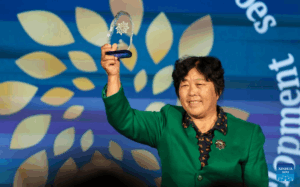
The Kenyan government has welcomed recognition from pharmaceutical company Pfizer for its work in advancing universal health coverage and promoting health initiatives across Africa.
In a statement issued on behalf of the people of Kenya, the government expressed gratitude for the acknowledgement, saying it reflects the progress made in expanding access to healthcare. At the centre of the programme is the Social Health Authority (SHA), which has registered 32.5 million Kenyans to date.
The initiative has been financed largely through contributions from citizens themselves, enabling the mobilisation of resources needed to support the growing number of registered members.
Parliament has played a key role by passing legislation that created the various funds underpinning the system. These funds support primary healthcare, social insurance, and care for emergency, chronic and critical illnesses, providing a stronger legal and financial foundation for the universal health programme.
Digital transformation has also been central to the reforms. Through the Digital Health Agency, the government has digitised services to improve transparency and reduce fraud that previously weakened the system. Officials say the move has enhanced accountability and streamlined service delivery.
Health workers remain at the core of the programme. The national government has partnered with county governments to recruit more staff, resolve long-standing collective bargaining disputes and expand community health promotion. These steps are intended to strengthen the frontline workforce and extend preventive care deeper into communities.
Significant progress has also been recorded in the supply of medicines and medical commodities. The Kenya Medical Supplies Authority (KEMSA) has improved its refill rate from a previous low of 40 per cent to the current 91 per cent, boosting the reliability of supplies in public hospitals.
In addition, the government is collaborating with manufacturers under a fee-for-service model to supply, install, maintain and upgrade essential medical equipment. This includes dialysis machines, CT scanners, MRI machines, digital X-rays and laboratory kits. The arrangement requires no upfront payment from the government, reducing capital costs while expanding access to advanced diagnostics and treatment.
Officials have reaffirmed their commitment to refining the universal healthcare programme until it becomes fully universal and leaves no Kenyan behind. The recognition by Pfizer is viewed as an important endorsement of the reforms already achieved and a further incentive to complete the remaining work.
Through citizen financing, legislative support, digital systems, improved staffing, better commodity supply and innovative equipment partnerships, Kenya continues to position itself as a regional example of health system transformation.
About Author