KRA Seizes Sh13 Million in Electronics in Kileleshwa Raid as Crackdown on Illicit Gadget Trade Intensifies
The laptops recovered during the operation comprised 269 Dell, 83 HP and six Lenovo units, while the nine tablets were identified as iPad Mini models.
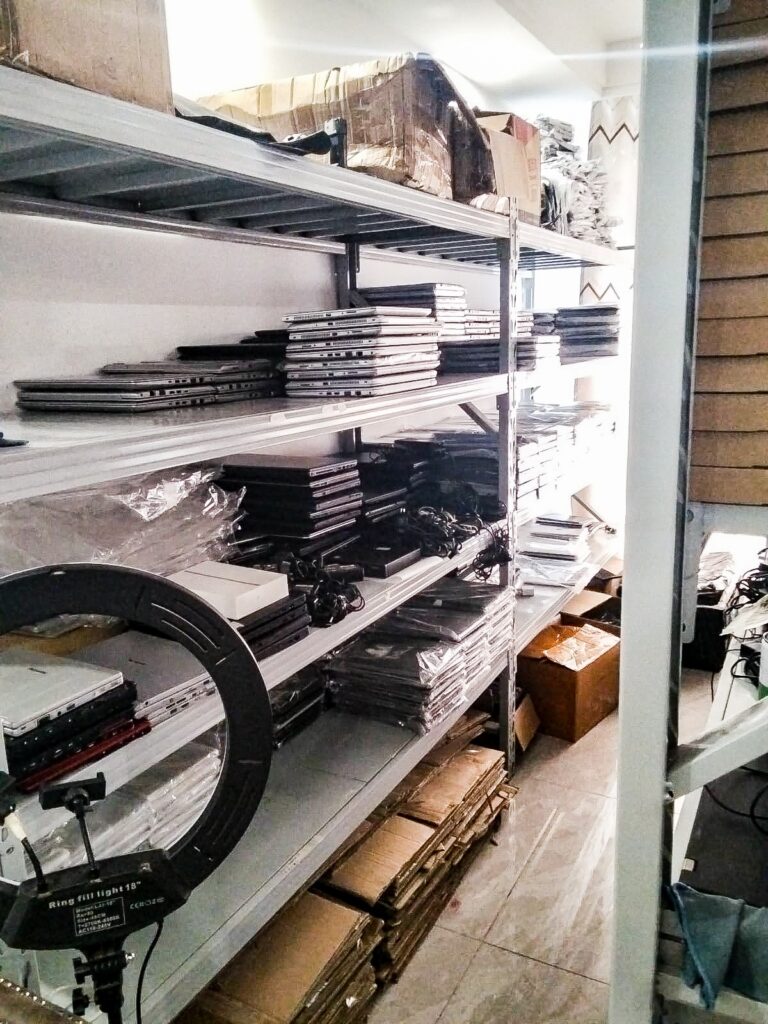
Some of the laptops, iPads and electronic accessories seized by the Kenya Revenue Authority (KRA) during an intelligence-led enforcement operation in Kileleshwa, Nairobi. The 529 items, valued at an estimated KSh13 million, are suspected to have been smuggled into the country without payment of the requisite customs duties and taxes. Photo: KRA
By James Gitaka
The Kenya Revenue Authority (KRA) has seized 529 electronic items valued at an estimated KSh13 million from a residential apartment in Kileleshwa, Nairobi, in an intelligence-led operation targeting suspected customs tax evasion and the smuggling of electronic goods.
The seizure comprises 358 laptops, nine iPads and 162 assorted electronic accessories, in what the tax authority described as part of intensified efforts to disrupt illicit trade and protect government revenue.
KRA said the operation followed intelligence indicating that a residential premises was allegedly being used to store and facilitate the movement of commercial electronics outside established customs and tax compliance requirements.
The authority said intelligence further pointed to a foreign national who was allegedly operating a business involving the movement and storage of electronic goods without complying with applicable customs and tax obligations.
“The seized goods are suspected to have been smuggled into the country without the payment of the requisite taxes and duties,” KRA said.
The laptops recovered during the operation comprised 269 Dell, 83 HP and six Lenovo units, while the nine tablets were identified as iPad Mini models.
The accessories included 150 Bluetooth devices, six laptop chargers and six laptop batteries.
KRA said the goods have been taken into its custody pending verification, further investigations and determination of the applicable customs and tax obligations.
The authority cautioned that the seizure does not conclude the investigation, with officers now working to establish the source of the electronics, how they entered Kenya and the individuals or businesses that may be linked to the suspected customs offences.
“Further investigations are ongoing to establish the source of the seized goods, determine the circumstances under which they entered the country and identify any persons or businesses that may be connected to the suspected offences,” the authority said.
KRA targets hidden electronics supply chains
The Kileleshwa operation comes amid a series of recent enforcement actions by KRA targeting suspected tax evasion and irregular imports of electronic devices.
In September, KRA investigators uncovered a major suspected tax under-declaration scheme involving a consignment of 55,607 smartphones imported through Eldoret International Airport.
According to Business Daily, investigators established that only 3,000 smartphones had been declared for taxation, while a further 309 high-end phones had not been declared. The wider shipment also contained hundreds of refurbished laptops, MacBooks, tablets, phone screens, networking equipment and other consumer goods. The case exposed the scale of revenue risks associated with the concealment and under-declaration of high-value electronics in consolidated cargo.
KRA has also stepped up scrutiny of electronics entering the country through passenger channels.
In an October operation at Jomo Kenyatta International Airport (JKIA), customs officers intercepted 40 smartphones valued at about KSh8.2 million from a passenger arriving from Dubai. The devices, comprising iPhone 18 Pro and iPhone 18 Pro Max models, were allegedly concealed in luggage and had not been declared to Customs.
The recent operations point to a broader enforcement focus on the electronics trade, particularly where imported devices may enter the Kenyan market without the required customs declarations, duties or other regulatory clearances.
KRA has previously required importers of mobile devices to provide detailed import entries, including quantities, model descriptions and IMEI numbers, as part of measures aimed at strengthening tax compliance and controlling the movement of mobile devices.
Residential apartments under scrutiny
The Kileleshwa seizure has also brought renewed attention to the use of residential premises as informal commercial warehouses.
KRA said intelligence gathered by its enforcement teams indicates that some individuals operating small retail outlets in Nairobi’s central business district may be using residential apartments to store commercial goods suspected of having entered the country outside established customs procedures.
The authority warned that such practices not only undermine government revenue but also create an uneven competitive environment for legitimate businesses that pay the required taxes and comply with customs regulations.
The issue is significant for Kenya’s formal retail sector, where compliant importers face customs duties, taxes, licensing requirements and other regulatory costs while competing with traders who may allegedly avoid some of those obligations.
KRA said its enforcement strategy is therefore aimed at protecting legitimate commerce while disrupting networks involved in the concealment, movement and sale of goods suspected to have bypassed the country’s customs system.
Revenue protection and legitimate trade
The intensified crackdown comes as KRA seeks to strengthen collections from Customs and Border Control while tightening surveillance of goods entering the country.
KRA reported that its Customs and Border Control department collected KSh85.927 billion in December 2025, exceeding its monthly target of KSh83.008 billion. The authority said the collection represented a 23.5 per cent increase from KSh69.555 billion collected during the corresponding period a year earlier.
The authority has increasingly relied on intelligence-led enforcement, cargo monitoring and data-driven investigations to identify discrepancies between declared goods and actual consignments.
The latest Kileleshwa operation demonstrates that enforcement is extending beyond ports, airports and border points to locations where goods are allegedly stored before entering the retail market.
KRA said it would continue taking action against businesses and individuals found to be undermining the country’s customs and tax framework.
Traders and members of the public have been encouraged to report suspected cases of smuggling, tax evasion and other forms of illicit trade through KRA’s established reporting channels, including the iWhistle platform.
The seized electronics remain in KRA custody as investigations continue. Any further enforcement or prosecution will depend on the outcome of those investigations and the determination of the applicable customs and tax liabilities.
About Author