Kenya Trains 500 Oversight Committees as Government Warns Against Normalising Corruption
The committees shall utilize the necessary tools like social audits, community engagement forums, and public accountability sessions for strengthening transparency in county operations.
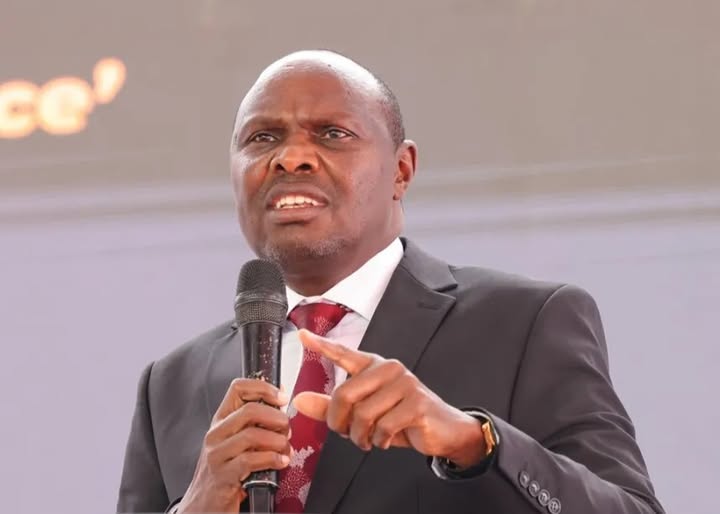
Public Service Felix Koskei. Photo/Courtesy
By Ruth Sang
Kenya’s fight against corruption has been given a major shot in the arm with the training of the 500 County Anti-Corruption Civilian Oversight Committees in a national drive to firm up public accountability mechanisms in all the 47 counties.
During the closing ceremony of the training, Chief of Staff and Head of Public Service Felix Koskei expressed deep concern over the growing acceptance of corruption in society, particularly in rural communities. He noted that people who suddenly accumulate unexplained wealth are often celebrated instead of being questioned, a trend he said is undermining the country’s fight against graft.
“Corruption has been normalized in our society, especially within rural communities, whereby individuals who acquire unexplained wealth overnight get celebrated instead of being asked questions,” Koskei said.
The Head of Public Service called on Kenyans to reject this culture and start holding one another accountable at the most basic level-that of households, villages, and local community structures. He emphasized that what many consider “small bribes” cumulatively rob the country of vital services, including better roads, improved health facilities, and reliable electricity.
Koskei urged the freshly trained CACCOC members to take on their responsibilities with much needed seriousness, characterizing them as valuable players in the process of detecting early signs of corruption, observing the delivery of public services, and forwarding complaints to the appropriate state institutions. He called on them to return to their counties as “disciplined, knowledgeable, courageous ambassadors of integrity” with an understanding of legal frameworks that guide Kenya’s efforts towards curbing corruption.
The committees shall utilize the necessary tools like social audits, community engagement forums, and public accountability sessions for strengthening transparency in county operations.
Principal Secretary for Justice, Human Rights and Constitutional Affairs, Judith Pareno, hailed the establishment of CACCOCs, saying the committees represent a diverse representation that includes youth, women, persons with disabilities, religious leaders and community-based organisations bound to assist in creating a solid national front against corruption.
Pareno highlighted that CACCOCs will be at the center of monitoring how public resources are utilized, reporting irregularities, conducting civic education, and supporting preventive anti-corruption efforts even before the misuse of funds would have taken place. She further explained that community inclusion is important because “corruption thrives where citizens are silent or excluded.” It is an initiative that the government hopes will heighten vigilance among the grassroots and embolden citizens to demand accountability as a sure way of reducing opportunities for corruption in county governments.
About Author