Junction Flyover to End Ngong Road Traffic Woes
The Ksh 3.8 billion project is fully funded by the Spanish government. It also includes lanes at ground level, pedestrian walkways,
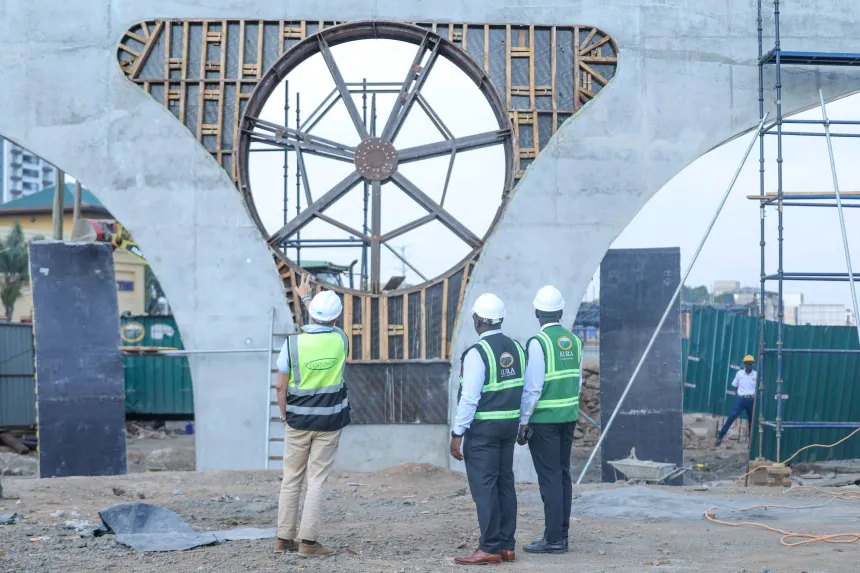
The project is being carried out by the Kenya Urban Roads Authority (KURA) in partnership with the Spanish government. It is intended to clear daily gridlocks and recover lost time for drivers. Photo/KBC Digital
By Juliet Jerotich
Relief is in sight for Nairobi motorists as the Junction Mall flyover project gathers momentum. The infamous traffic along Ngong Road, especially near Dagoretti, may soon be history.
The project is being carried out by the Kenya Urban Roads Authority (KURA) in partnership with the Spanish government. It is intended to clear daily gridlocks and recover lost time for drivers.
At the site near the Ngong Road–Naivasha Road junction, Engineer Wilfred Oginga, KURA Director of Urban Roads Planning and Design, outlined the developments.
“This elevated road is what we call a viaduct. It allows one road to pass over another at ground level. This way, traffic is not disrupted,” he explained.
Oginga also added that the segregation of through traffic from local users will cut travel time immensely. Compared to traffic lights, this design both improves efficiency and safety.
The viaduct is also in service of a higher vision. It will serve the future 60,000-seater Talanta Stadium, a legacy project of the current government’s priority.
We only have seven minutes to vacate the stadium after an event. This road will help in getting 60,000 individuals out quickly and safely,” Oginga said.
One of the most significant features of the road is the linkage it provides with the Southern Bypass. The road will offer direct access from Jomo Kenyatta International Airport to the stadium and hotels surrounding it, bypassing city traffic.
The main structure consists of a two-lane dual carriageway viaduct in both directions. It is about 820 metres in length, including the approaches.
The Ksh 3.8 billion project is fully funded by the Spanish government. It also includes lanes at ground level, pedestrian walkways, and bicycle tracks to cater for Non-Motorized Transport (NMT).
The impact will be gigantic, says Oginga. “Journey from Ngong Town to Nairobi, which now takes two hours, will be cut down to just 25 minutes,” he said.
The work will take 36 months to complete. The project has been designed to suit drivers, cyclists, and pedestrians.
“We want to assure all the users of NMTs that they’ve been considered. Roads used to only accommodate cars, but that is changing,” Oginga said.
Locals are hopeful. Boda boda rider Ezekiel Mumo said the changes are long overdue.
“People have suffered for too long. This project will change everything. I’ll soon reach town in just ten minutes,” he said. “Construction is moving fast. The overpass and underpass will connect Karen and Kingara. It’s already taking shape.”
The flyover reflects a broader national effort. President Ruto’s administration committed to completing all stalled road projects.
There were Ksh 175 billion in unpaid road construction bills when the government took office. Payments to 580 contractors had brought works to a halt across the country.
A new financing model was approved by the Cabinet in April 2025. The Kenya Roads Board could now raise finance against future revenues from the Road Maintenance Levy Fund. This approach freed up immediate finance without contributing to national debt.
By July 2025, 393 stalled projects had resumed. Communities, jobs, and local economies are beginning to recover.
The Junction Flyover now stands as a symbol of that progress. It’s not just easing traffic. It’s also restoring connections, livelihoods, and long-awaited hope for Nairobi’s commuters.
About Author