IPOA Forensic Team Recovers Erased CCTV Footage in Albert Ojwang Murder Trial
The court was told the recovered footage will be subjected to authentication and will be played in open court in the coming days as the prosecution continues to build its case.
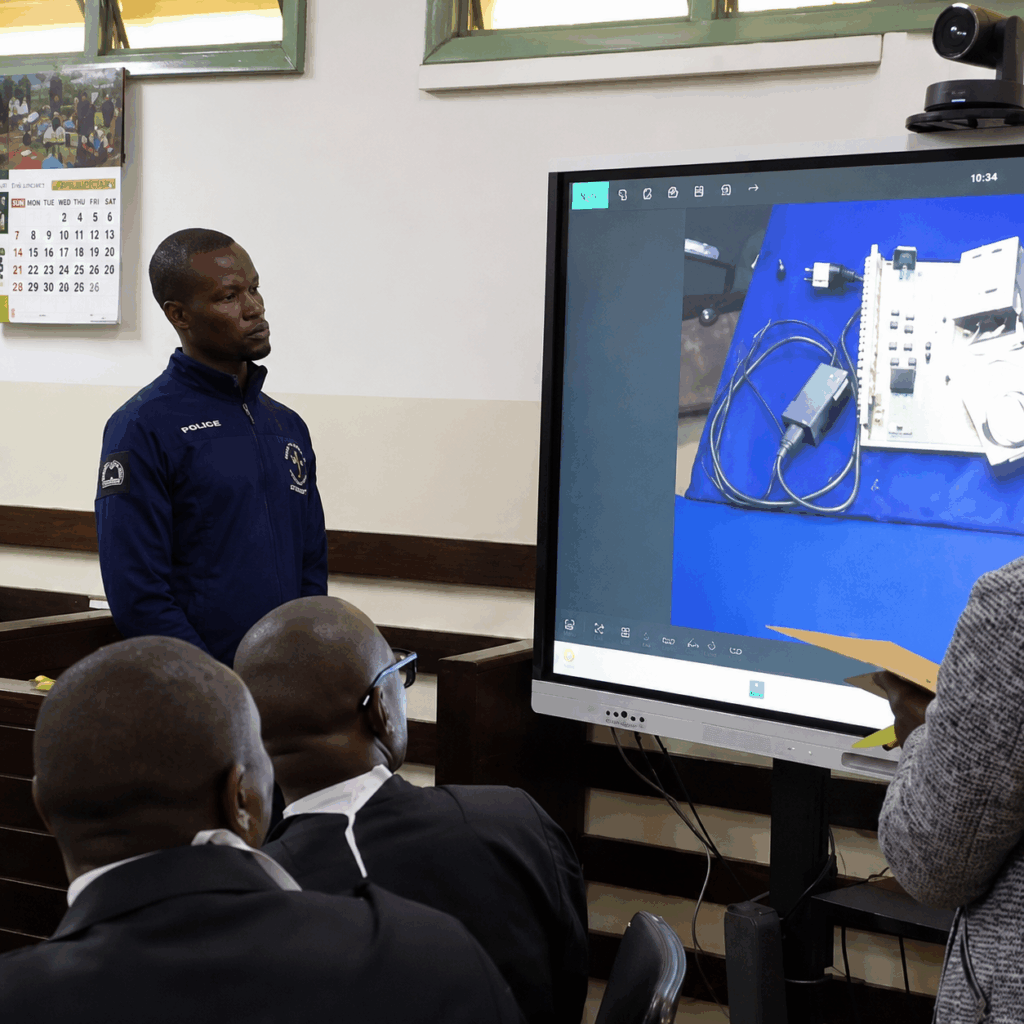
Photo: Courtesy.
By Sonia Mitchel
The murder trial of teacher and blogger Albert Ojwang took a dramatic turn after the Independent Policing Oversight Authority (IPOA) told the High Court it has recovered CCTV footage from Nairobi Central Police Station that had allegedly been deliberately deleted after Ojwang’s death.
IPOA investigators revealed in court that surveillance recordings from the station’s system were manually erased shortly after the detainee died in custody on June 6, 2025. According to the prosecution, the deletion was not accidental but appeared to be a calculated move to conceal what happened inside the station on the night Ojwang died.
The prosecution told Justice Diana Kavedza at the Kibera High Court that the recovered footage is now a central pillar of its case against six accused persons, including former Central Police Station OCS Samson Kiprotich Talaam and five other officers. All have pleaded not guilty.
Forensic experts attached to IPOA testified that after the system’s Digital Video Recorder (DVR) was formatted – an act a previous protected witness told the court he was paid Sh3,000 to carry out – they embarked on a painstaking forensic recovery process. Using specialized tools, the team was able to retrieve fragments of the deleted data that had not been permanently overwritten.
The retrieved clips, the court heard, capture activity within the station before and after Ojwang’s death, including movements around the cell area where he was held. Investigators also told the court that both the DVR and its storage hard disks showed signs of tampering, including being disconnected from power, which raised fresh concerns about interference with the investigation.
Prosecutors argued that the attempt to erase the footage amounts to an effort to obstruct justice and will be used to establish both the circumstances of Ojwang’s death and an alleged cover-up.
Ojwang’s death initially sparked national outrage when police suggested he had died by suicide in custody. That account was later contradicted by an independent post-mortem examination, which found injuries consistent with a violent assault, prompting IPOA to take over investigations and leading to the arrests.
The court was told the recovered footage will be subjected to authentication and will be played in open court in the coming days as the prosecution continues to build its case.
The case has drawn intense public scrutiny, with human rights groups, the Law Society of Kenya, and bloggers mounting pressure for accountability over deaths in police custody.
With the forensic recovery now complete, the prosecution maintains the footage will provide the clearest timeline yet of what happened inside Central Police Station and who was present when Ojwang was fatally injured.
About Author