How IPOA Unraveled CCTV Cover-Up in Albert Ojwang Death Case
Ojwang, 31, was arrested in Homa Bay on June 7, 2025, over a social media post and booked at Central Police Station under OB number 136/7/6/2025 at 21:35 hours.
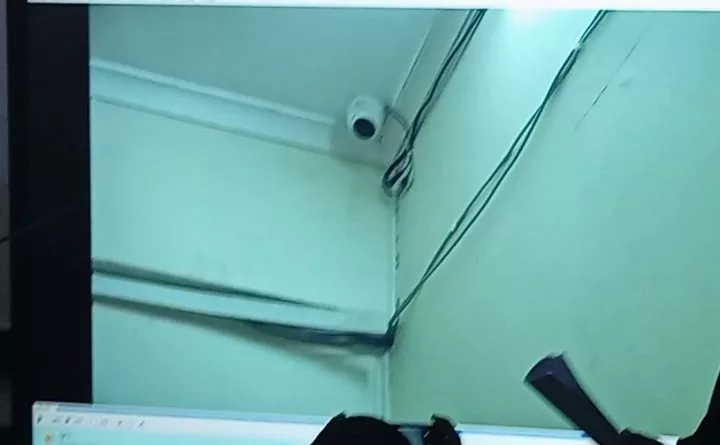
Photo: Courtesy.
By Robert Mutasi
The investigation into the death of teacher and blogger Albert Ojwang inside Nairobi’s Central Police Station took a decisive turn after the Independent Policing Oversight Authority (IPOA) uncovered systematic tampering with the station’s surveillance system.
Ojwang, 31, was arrested in Homa Bay on June 7, 2025, over a social media post and booked at Central Police Station under OB number 136/7/6/2025 at 21:35 hours. He was pronounced dead the following day at Mbagathi Hospital. Police initially claimed he had injured himself against a cell wall, but a post-mortem showed he died from blunt force trauma to the head, neck compression and multiple bruises, ruling out suicide.
According to IPOA, the first red flag was physical. When forensic investigators arrived at Central, they found that the power cable to the Digital Video Recorder (DVR) was not connected to the socket. Once they reconnected it, the system powered back on, proving the cameras were functional and had been deliberately disabled.
What followed was a forensic digital trail. IPOA Senior Assistant Director of Investigations Abdirahman Jibril told the court that DVR logs indicated the operating discs were changed and formatted between 07:28:43 and 07:32:29 hours on June 8, just hours after Ojwang died. IPOA Chairperson Isaac Hassan separately told Parliament that logs also captured formatting activity at 07:23:29 and 07:23:48 hours on the same morning, an act he described as a deliberate effort to erase footage related to the detention.
Investigators said the footage would have been critical. It could have shown Ojwang’s physical condition on arrival, who accessed his cell, and when he was removed to hospital.
The authority seized the DVR and traced the interference to a technician who had originally installed the system in 2024. The system comprised 25 cameras covering the report office, cell corridors, both floors and the parking yard with a 30-day storage capacity. The technician, identified as 23-year-old Kelvin Mutisya Matava, was arrested in Saika, Nairobi, and admitted he was paid Sh3,000 by the Officer Commanding Station (OCS) to delete the surveillance footage.
IPOA told the Senate that the CCTV located at the OCS office had been interfered with, and that the tampering pointed to a coordinated cover-up. IPOA Vice Chair Anne Wanjiku said: “The CCTV cameras could have shown his condition, but they were tampered with”.
The case is now before the High Court in Kibera. Justice Kavedva has flagged CCTV evidence as central to establishing Ojwang’s final hours, directing IPOA to supply flash disks to accused officers and civilians who could not afford them to ensure a fair trial. The judge also ordered the prosecution to scale down witnesses from 28 to 24 and set a mention for January 27, 2026, noting the matter is of public interest and should be heard urgently back-to-back.
Former Central Police OCS Samson Talaam, Constable James Mukhwana and four others have denied involvement and remain remanded at Nairobi Remand Prison as forensic analysis of biological samples, mobile data and the recovered DVR continues.
About Author