Farmers Count Losses as Hippos Invade Crops Along Lake Victoria Shores in Homa Bay
By Ruth Sang
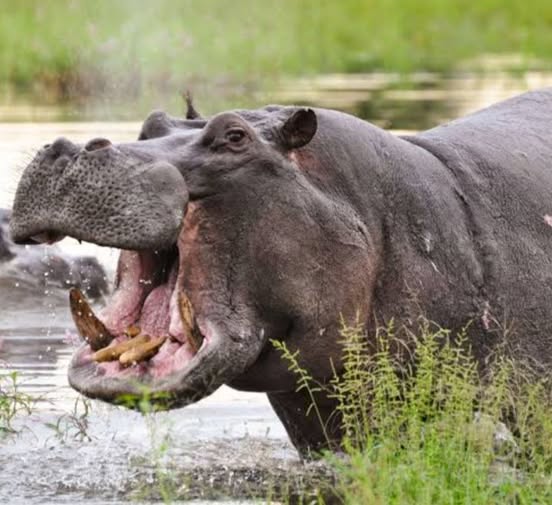
Farmers in Arujo Ward along the shores of Lake Victoria in Homa Bay County are grappling with significant crop losses following repeated invasions by hippopotamus.
The affected farmers, mainly from Kanyabala village, say they have been forced to spend nights in their farms guarding crops from destruction, raising concerns over the viability of their recently planted maize.
One of the farmers, Delafiled Odoyo, said the situation has disrupted his routine as he struggles to protect his primary source of income.
“I have been camping in the farm at night to protect my crops from destruction. We must keep vigil to secure our source of income,” he said.
Another farmer, Maxwell Otoyi, noted that the animals tend to avoid farms when guarded but strike when fields are left unattended.
“My farm has been invaded at least seven times. The destruction usually happens when no one guards the farm,” he said.
Residents say efforts such as installing barbed wire along entry points commonly used by the animals have yielded little success, as the hippos continue to breach the barriers and destroy crops.
The farmers have now called on the Kenya Wildlife Service to step in, citing the high cost of farm inputs such as fertiliser and certified seeds, which are now at risk of going to waste.
Some residents expressed frustration over what they described as delayed responses from authorities.
“We always call them when we spot the hippos, but they have never offered any help,” one farmer claimed.
In response, County KWS Warden Jackson Kibor acknowledged the incidents in Rachuonyo North and Homa Bay sub-counties, attributing the invasions to seasonal patterns.
“This is the peak season when wild animals destroy crops. We are, however, working together with farmers to ensure cases of invasion are curbed. It is just a small season and the numbers will go down,” Kibor said.
He urged farmers to promptly report sightings and advised those guarding their farms to remain cautious and position themselves on higher ground for safety.
The ongoing human-wildlife conflict highlights growing concerns over livelihoods and the need for more responsive mitigation measures in lakeside communities.
About Author