Students Use Art and Digital Platforms to Advance Wildlife Conservation
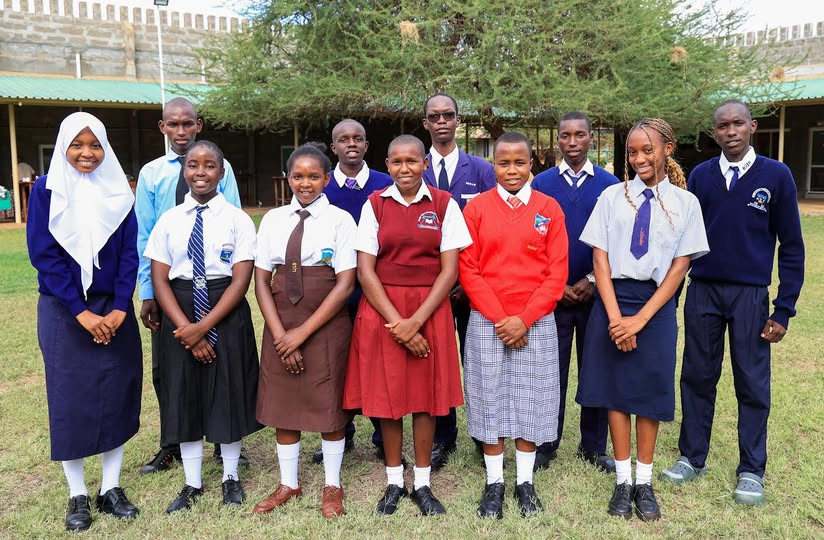
Students showcase innovative art and digital solutions in support of wildlife conservation efforts. Photo/Courtesy
By Ruth sang
Students from communities surrounding the Tsavo ecosystem are increasingly using creativity and technology as tools to support wildlife conservation, following their selection into a scholarship programme that empowers young environmental advocates.
The learners are beneficiaries of the Young Conservation Heroes Scholarship by the African Wildlife Foundation and the Wildlife Clubs of Kenya. The programme provides educational support, mentorship, and funding for community-based conservation initiatives led by young people.
One of the beneficiaries, Peace Wawuda from Mwasere Girls High School in Taita Taveta County, is using recycled materials to create artwork aimed at raising awareness on environmental protection. She designs animal-inspired pieces using plastic waste such as bottle tops, an effort that helps reduce pollution while promoting conservation education in local communities.
“This initiative helps in reducing plastic waste while also communicating the importance of protecting wildlife,” she said, adding that income generated from the artwork also supports her education.
In Tana River County, another student, Abdul Rahim, is using online platforms to advocate for the protection of endangered mangabey monkeys. Through a project known as *Voices of the Mangabey*, he shares videos, stories, and conservation messages targeting young audiences through social media.
“These monkeys are threatened mainly by habitat destruction, and I want more young people to understand the need to protect them,” he said, noting that the programme has boosted his confidence and improved his communication skills
.
Parents have also expressed support for the initiative, saying it is positively influencing both homes and communities. In Kajiado County, parent Anthony Sayanga said the scholarship would help support tree-planting activities aimed at restoring degraded water catchment areas.
“We have faced serious environmental degradation, especially around water sources. These projects will go a long way in restoring ecosystems and benefiting communities,” he said.
Programme coordinators report that youth-led conservation efforts are already making an impact, with students setting up tree nurseries, leading peer education programmes, and promoting environmental awareness in schools. They add that empowering young people is expected to strengthen conservation efforts and build a stronger culture of environmental responsibility in communities near wildlife habitats.
About Author