Emerging Leaders Foundation Boosts Grassroots Organizations Through Tunaweza 2.0 Programme
The Emerging Leaders Foundation reaffirmed its commitment to nurturing ethical, values-driven, and transformative leaders who can champion positive change in their communities.
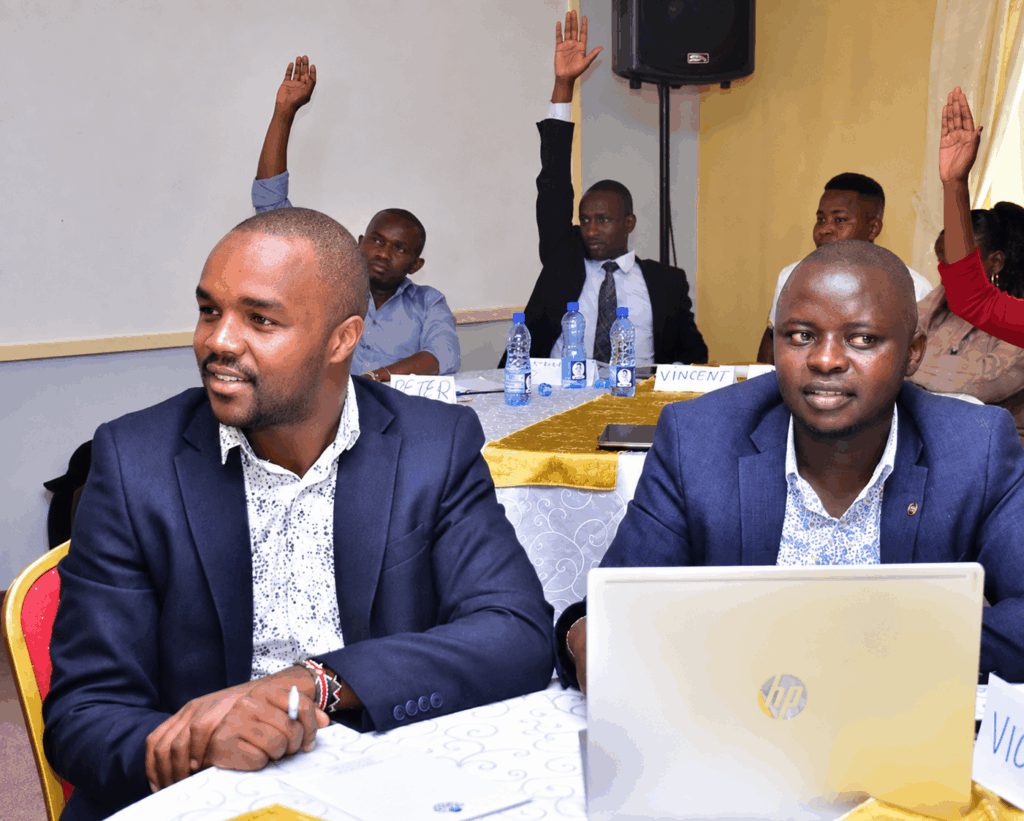
Photo: Courtesy.
By Linda Olendo
The Emerging Leaders Foundation (ELF) has intensified efforts to strengthen community-based organizations (CBOs) across the country through its Tunaweza 2.0 Programme, which seeks to build sustainable development and enhance governance at the grassroots level.
The organization convened an organizational strengthening meeting that brought together representatives from various partner organizations to deliberate on strategies for building stronger institutions, fostering collaboration, and deepening democratic participation within communities.
A key focus of the meeting was organizational strengthening, with participants emphasizing the need for CBOs to establish effective governance structures, improve accountability, and strengthen internal management systems. According to the participants, well-governed and well-managed organizations are better placed to mobilize resources, respond effectively to community needs, and sustain development initiatives beyond the project cycle.
Leadership development also took centre stage during the deliberations. The Emerging Leaders Foundation reaffirmed its commitment to nurturing ethical, values-driven, and transformative leaders who can champion positive change in their communities. Participants noted that investing in leadership skills is crucial for enhancing transparency, accountability, and effective decision-making within community institutions.
The forum further explored ways of promoting civic engagement and democratic participation as a pillar for good governance. Participants agreed that empowering citizens through civic education and encouraging their active involvement in public participation forums would not only strengthen governance structures but also improve service delivery at the county level.
Recognizing the importance of synergy, stakeholders underscored the need for stronger partnerships among community organizations, county governments, development partners, and other civil society actors. They observed that coordinated efforts would enhance resource sharing, reduce duplication of activities, and increase the overall impact of development programmes in the counties.
During the meeting, participants were also introduced to organizational capacity assessment and strategic planning tools designed to help organizations identify institutional gaps, strengthen governance systems, and develop long-term strategies for growth and sustainability. The tools are expected to support organizations in improving operational efficiency and achieving greater effectiveness in programme delivery.
Youth empowerment was another key area of discussion, with participants emphasizing the need to invest in youth leadership, employability, and livelihood opportunities. They noted that equipping young people with leadership, entrepreneurial, and life skills would significantly contribute to community development, economic resilience, and peacebuilding.
The meeting also highlighted the transition from implementing activities through individual organizations to adopting a County Consortium Model. The new approach seeks to bring together organizations within the same county to work collaboratively, enhance coordination, and achieve greater collective impact in addressing shared community challenges.
Priority areas identified during the meeting include civic education, voter registration and participation, peacebuilding, partnership building, community trust, organizational strengthening, and strategic planning. These interventions are expected to strengthen community institutions and promote inclusive and participatory governance.
The Emerging Leaders Foundation noted that the Tunaweza 2.0 Programme will continue to support community organizations through capacity building, leadership development, and institutional strengthening to enable them to drive sustainable and community-led development across the country.
About Author