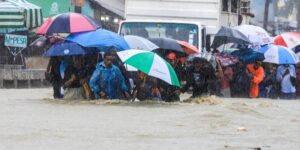
El Niño Explained: What It Could Mean for Kenya
Authorities have been urged to use the available forecasts to strengthen early warning systems and disaster preparedness before the main rains begin.
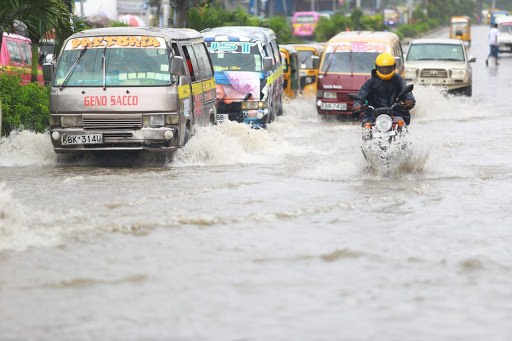
El Niño Explained: What It Could Mean for Kenya. Photo Coursey: The Star
By Judith Waka
El Niño is a climate phenomenon linked to unusual warming of sea surface temperatures in the central and eastern tropical Pacific Ocean. The warming can alter atmospheric circulation and influence rainfall and temperatures thousands of kilometres away, including in East Africa.
For Kenya, the developing 2026 El Niño is attracting attention because of its potential to change rainfall patterns during the coming months.
The World Meteorological Organization said in June that El Niño conditions were developing and could affect global temperature and rainfall patterns. The agency warned that the phenomenon could increase the risk of extreme weather in some regions.
The Kenya Meteorological Department has also been monitoring the situation. Its forecasts indicate that the country could experience above-normal rainfall during the October-November-December season as the El Niño strengthens.
KMD has estimated an 81 per cent probability that the 2026 event will be very strong. It has also placed the likelihood of the phenomenon continuing into early 2027 at 97 per cent.
However, meteorologists have cautioned against assuming that El Niño automatically means widespread flooding.
The amount and distribution of rainfall received in Kenya depend on several climate factors. One of them is the Indian Ocean Dipole, which measures the difference in sea surface temperatures between the western and eastern tropical Indian Ocean.
A positive Indian Ocean Dipole can strengthen rainfall over parts of East Africa when it occurs alongside El Niño. This could raise the risk of flooding, landslides and damage to infrastructure in vulnerable areas.
What El Niño Means for Kenya
During the October to December rainy season, many parts of Kenya could receive more rainfall than usual. The increased rainfall may benefit farmers and water resources in some areas.
At the same time, heavy and poorly distributed rainfall could create serious problems in flood-prone communities.
The risks include flooding, landslides, road damage, disruption of transport, destruction of homes and loss of crops and livestock.
Urban areas could also face drainage problems, particularly where settlements have expanded into flood-prone zones or where drainage systems cannot cope with intense rainfall.
The effects will not be identical across the country. Kenya’s varied geography means that rainfall patterns can differ considerably between regions.
KMD has continued to advise the public to rely on official forecasts as conditions develop. The department is expected to issue its national October-November-December seasonal forecast in late August or early September.
The developing El Niño therefore presents both opportunities and risks for Kenya. Farmers may benefit from improved rainfall, while communities in exposed areas will need to prepare for possible floods and landslides.
Authorities have been urged to use the available forecasts to strengthen early warning systems and disaster preparedness before the main rains begin.
About Author