LEADERS RAISE ALARM OVER YOUTH RADICALISATION AND CRIME
Dr Josephine Biwot said mothers are increasingly worried about the safety and future of young people amid reports of radicalisation and other criminal activities.
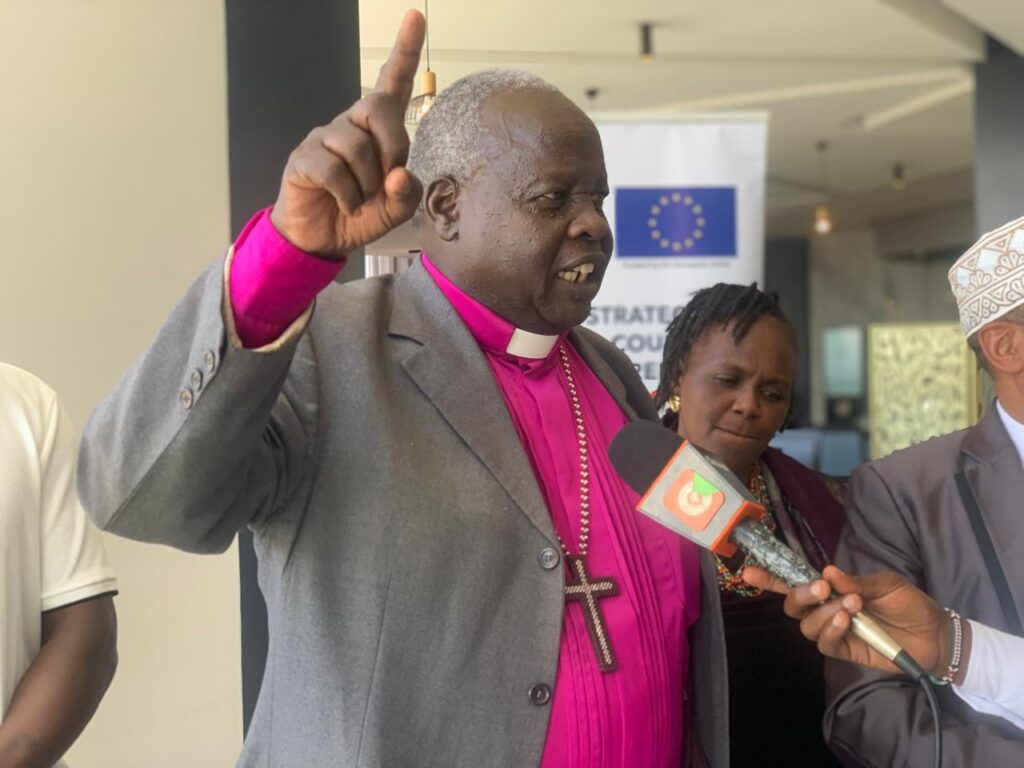
Photo: Courtesy.
By Anneth Chepng’etich.
Leaders in Uasin Gishu County have raised concern over the increasing vulnerability of young people to radicalisation, crime and extremist activities, calling for greater efforts to guide and support the youth.
Speaking during a youth engagement forum, Interfaith Council Chairman Geoffrey Songok said terrorism had for a long time been associated with groups such as Al-Shabaab, but warned that young people are now increasingly being exposed to similar forms of radicalisation.
“Previously, when we talked about terrorism, we knew it mainly in relation to Al-Shabaab. But now even our children are being exposed to the same kind of radicalisation, and many young people are losing their lives every day,” said Songok.
Soy Ward Member of County Assembly Isaac Chirchir said leaders have a major responsibility to educate young people and address factors that may push them into crime.
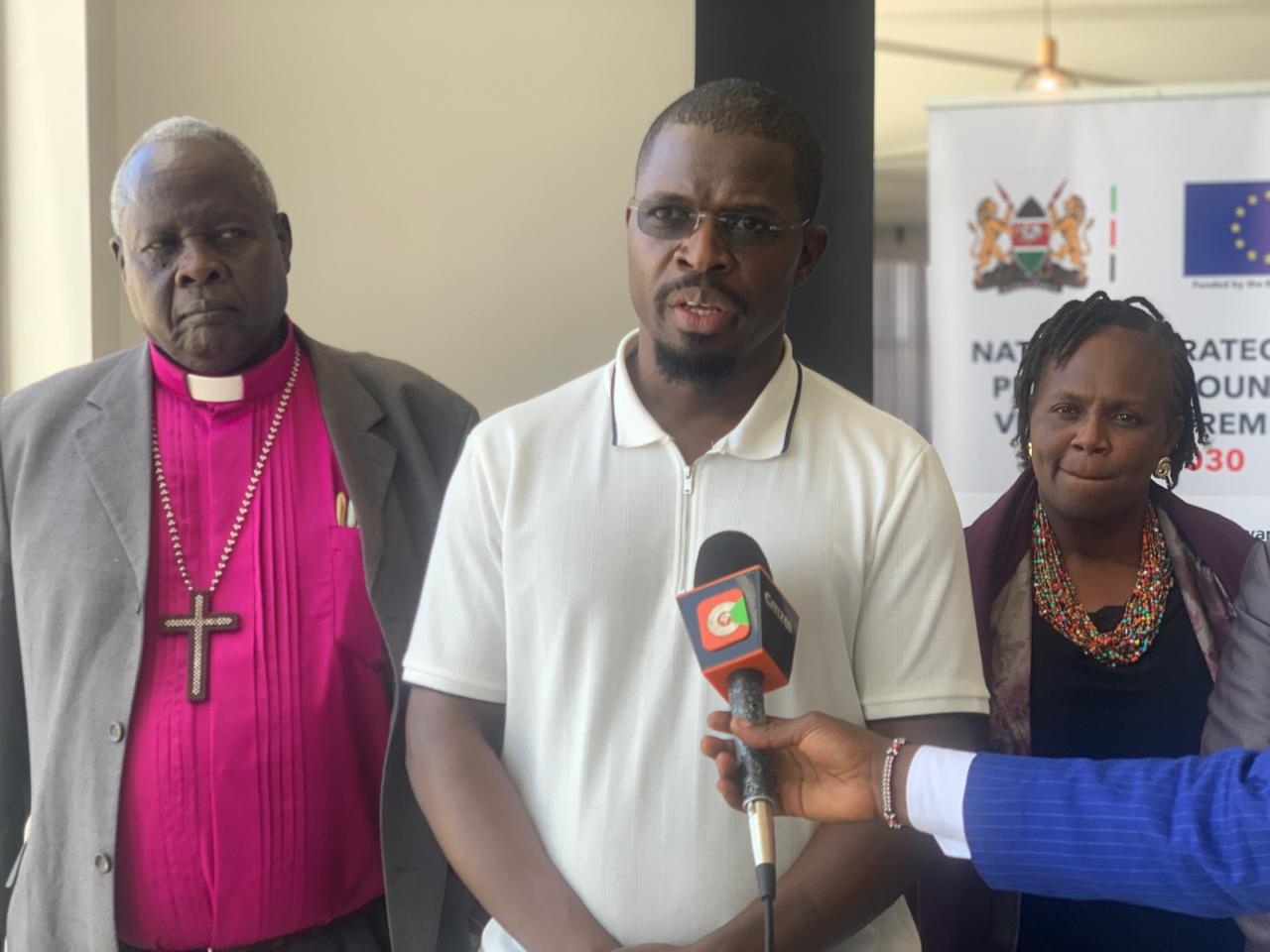
“As leaders, we have a big responsibility to educate and guide our young people on issues of crime. This country has tried to educate many young people, but many have graduated without jobs. That is why you see some young people taking whatever is available to meet their needs,” said Chirchir.
Dr Josephine Biwot said mothers are increasingly worried about the safety and future of young people amid reports of radicalisation and other criminal activities.
“As mothers, we have a lot of concerns. We have given birth to these young people, both boys and girls, and what we are hearing is not new to us. It gives us a lot of worry,” said Biwot.
Meanwhile, Council of Imams and Preachers of Kenya (CIPK) North Rift Chairman Abubakar Bini said radicalisation should not be viewed as an issue affecting only one religious community, urging religious leaders to play a greater role in educating young people.
“Terrorism was initially thought to be associated with Muslims, but we have seen cases where Christians also use similar methods to influence people. This shows that our young people may lack proper understanding. It is our responsibility as imams to educate them and help them understand the true teachings of religion,” said Bini.
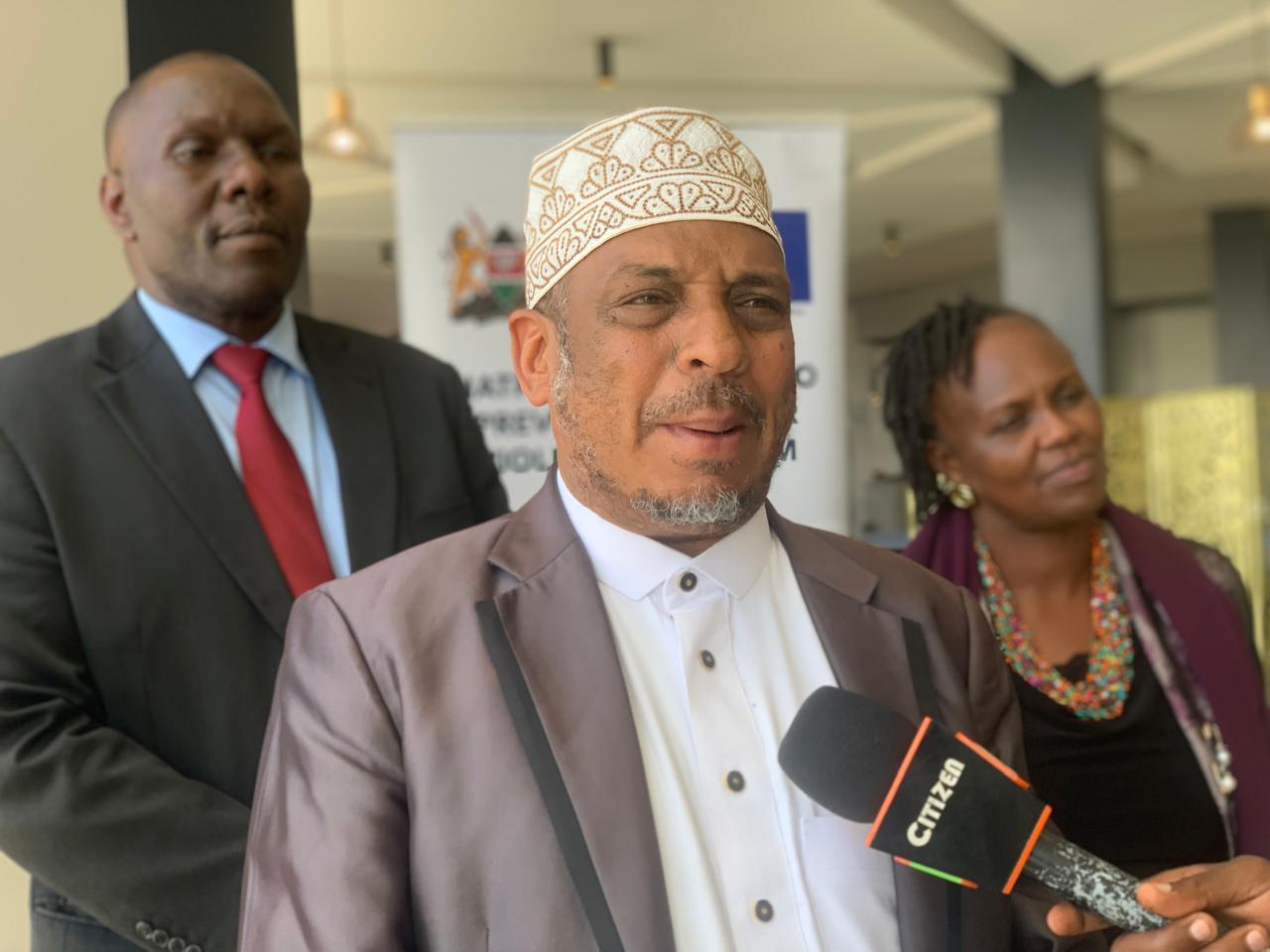
National Counter-Terrorism Officer Protus Okello also addressed the forum, where discussions focused on preventing radicalisation and strengthening community efforts to protect young people from extremist influence.
The leaders called for closer cooperation between families, religious institutions, community leaders and the government in addressing youth unemployment, crime and radicalisation.
They also urged young people to seek positive opportunities, acquire skills and avoid activities that could expose them to criminal and extremist groups.
About Author