Cervical Cancer Screening and HPV Vaccination Key to Saving Lives, Health Experts Say
Director General for Health Dr. Patrick Amoth said many cases in Kenya are diagnosed too late, when treatment options are limited and outcomes are poor.
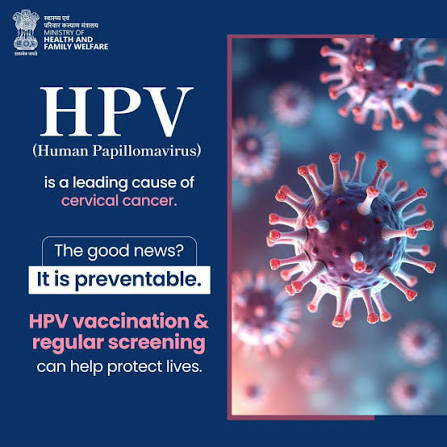
Photo: Courtesy.
By Mishael Akinyi
Cervical cancer remains one of the leading causes of cancer-related deaths among women in Kenya, despite being one of the most preventable and treatable cancers when detected early.
Health officials are now raising alarm over late diagnosis and low uptake of preventive services, urging women to prioritize routine screening and parents to ensure their daughters receive the Human Papillomavirus (HPV) vaccine.
Speaking during cervical cancer awareness campaigns, Health Cabinet Secretary Aden Duale urged eligible women to take advantage of available screening services across the country, noting that early detection is critical to survival.
“Early detection significantly improves treatment outcomes and saves lives. I urge all eligible women to take advantage of routine cervical cancer screening services,” said Duale.
According to the World Health Organization (WHO), more than 95 percent of cervical cancer cases are caused by persistent infection with HPV, a common sexually transmitted virus. The organization says the disease can be eliminated as a public health problem through a combination of HPV vaccination, regular screening, and timely treatment of precancerous lesions.
The WHO recommends that girls receive the HPV vaccine between the ages of 9 and 14 years, before exposure to the virus, while women should undergo regular cervical cancer screening even when they have no symptoms.
Director General for Health Dr. Patrick Amoth said many cases in Kenya are diagnosed too late, when treatment options are limited and outcomes are poor.
“Many cervical cancer cases in Kenya are diagnosed at advanced stages because women often seek medical care late. Increasing public awareness, expanding access to screening services and strengthening HPV vaccination programmes are essential in reducing the country’s cervical cancer burden,” said Dr. Amoth.
Medical experts warn that early-stage cervical cancer often has no symptoms, which makes routine screening critical. When symptoms do appear, they may include abnormal vaginal bleeding, bleeding after sexual intercourse, unusual vaginal discharge and persistent pelvic pain.
Health experts continue to call on parents, schools and community leaders to support HPV vaccination efforts and to break stigma and misinformation surrounding the vaccine. They also urge women to make screening part of their regular health care routine.
With increased awareness, early diagnosis and timely treatment, health officials say thousands of cervical cancer cases and deaths can be prevented in Kenya every year.
About Author