Campaigners Renew Call for Action Against Sexual Violence, Support for Survivors
They explained that consent must be clear, voluntary, and ongoing, and that every individual has the right to make decisions about their own body.
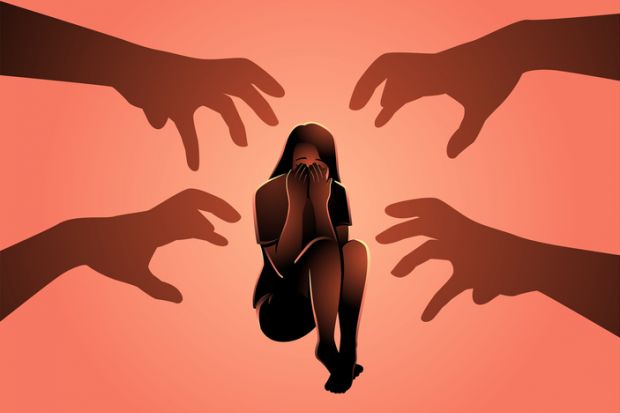
Photo/Courtesy.
By Mishael Akinyi
Advocates against gender-based violence have renewed calls for stronger efforts to combat sexual violence, urging communities to support survivors and hold perpetrators accountable.
The campaign comes amid growing concern over the continued prevalence of sexual abuse, particularly against women and girls, across many parts of the world.
Campaigners say sexual violence often occurs at the hands of people known to victims, including friends, colleagues, classmates, and intimate partners, making the trauma even more devastating for survivors.
They noted that fear, shame, stigma, and social pressure continue to prevent many victims from reporting abuse or seeking justice.
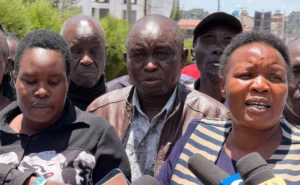
Speaking during an awareness campaign, advocates emphasized that responsibility for sexual violence lies solely with perpetrators and not with those who experience the abuse.
“Survivors deserve to be believed, supported and treated with dignity,” campaigners said, adding that no individual should be blamed for crimes committed against them.
The activists stressed that creating safe environments where survivors can speak out without fear of judgment is essential in addressing the problem and encouraging more victims to seek help.
They further called on institutions, communities, and law enforcement agencies to strengthen measures aimed at preventing sexual violence and ensuring justice for survivors.
According to the campaigners, public education on consent remains critical in the fight against sexual abuse.
They explained that consent must be clear, voluntary, and ongoing, and that every individual has the right to make decisions about their own body.
“Every sexual act requires consent. Without a clear and willing agreement, there is no consent,” the advocates said.
The campaign echoed sentiments previously expressed by Nobel Peace Prize laureate Nadia Murad, who has consistently spoken out against sexual violence and championed the rights of survivors.
“There is no honour in rape, and there is no shame in surviving it,” Murad has said, emphasizing the need to end stigma and support those affected by sexual abuse.
Campaigners also cited remarks by former United Nations Secretary-General Ban Ki-moon, who once stated that violence against women is preventable and not an inevitable part of society.
Advocates argued that preventing such violence requires collective action, including challenging harmful social attitudes, promoting respect in relationships, and ensuring perpetrators face legal consequences.
They urged governments, educational institutions, religious organizations, and civil society groups to work together in building a culture that prioritizes safety, equality, and respect.
The campaign concluded with a call for greater public awareness and stronger support systems for survivors, insisting that ending sexual violence is a shared responsibility.
“Nobody should suffer in silence. Supporting survivors and demanding justice are essential steps toward creating a safer and more equal society for all,” the campaigners said.
Advocates maintain that lasting change will only be achieved through education, accountability, and a collective commitment to protecting the rights and dignity of every person.
About Author