Kenya Expanding Digital Opportunities for All Through DigiKen and Digital Superhighway Agenda, Says PS Isaboke
Kenya is accelerating digital inclusion through the DigiKen initiative and the Digital Superhighway agenda, empowering youth, women and persons with disabilities with skills and opportunities needed to thrive in the digital economy.
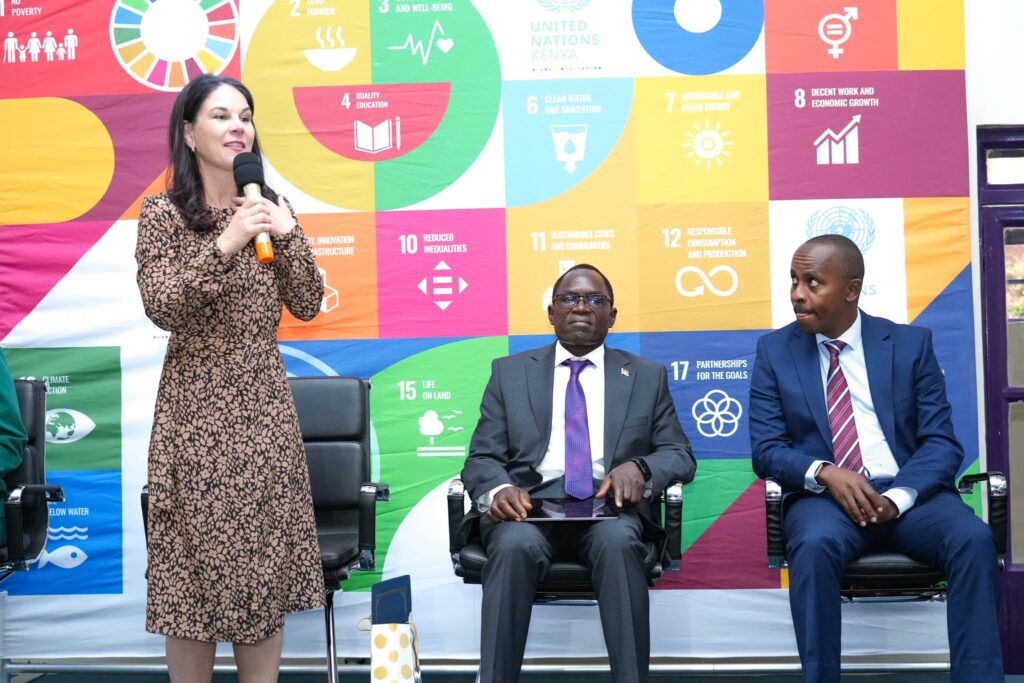
Broadcasting and Telecommunications Principal Secretary Stephen Isaboke addresses stakeholders during a high-level visit to PC Kinyanjui Technical Training Institute in Nairobi, highlighting Kenya's commitment to inclusive digital transformation. Photo/Courtesy
By Ruth Sang
Kenya is staying deeply committed to making sure, nobody gets left behind in this digital age, Broadcasting and Telecommunications Principal Secretary Stephen Isaboke said.
During a high level stop by the President of the United Nations General Assembly, Annalena Baerbock, at PC Kinyanjui Technical Training Institute (PCKTTI) in Nairobi, Isaboke pointed out the state’s push to open up digital chances via the Digital Superhighway programme and deals like DigiKen.
He explained, the plans are meant to lift youth, women, and persons with disabilities, while at the same time boosting innovation ecosystems across the land.
“Through the Digital Superhighway agenda and partnerships such as DigiKen, we are expanding digital opportunities for young people, women and persons with disabilities while building stronger innovation ecosystems nationwide,” Isaboke said.
The visit, was mainly meant to check how inclusive digital transformation efforts are progressing and it also highlighted how the government is staying focused on digital inclusion and wider regional ecosystem building.
Officials from the government and international development circles attended, among them Technical and Vocational Education and Training (TVET) Principal Secretary Dr. Esther Muoria, Dagoretti South MP John Kiarie, Kenya’s Permanent Representative to UN-Habitat Susan Nakhumicha Wafula, the UN Resident Coordinator, plus people from UNESCO, UN Women, UNCDF and UNEP.
DigiKen, A Push for Digital Skills and Work
Right at the middle of talks was DigiKen (Digital Platforms Kenya) a $4.26 million, 36-month United Nations Joint Programme, financed through the UN Joint SDG Fund and carried out by UNESCO together with Kenya’s Ministry of ICT and Digital Economy.
The programme is set to train 20,000 public officers, back 150 micro, small and medium enterprises (MSMEs), and help deliver over 24,500 direct and indirect jobs by 2027.
This initiative also connects to Kenya’s Bottom-Up Economic Transformation Agenda (BETA), because it promotes skills building, digital invention, and shared economic involvement.
PCKTTI, was used as a hands on case showing how cooperation between the Government of Kenya and the United Nations is creating new pathways in digital skills, invention, and enterprise.
TVET Schools Now Treated Like Innovation Engines
Dr. Muoria stressed the rising importance of TVET institutions in preparing young people for the digital economy.
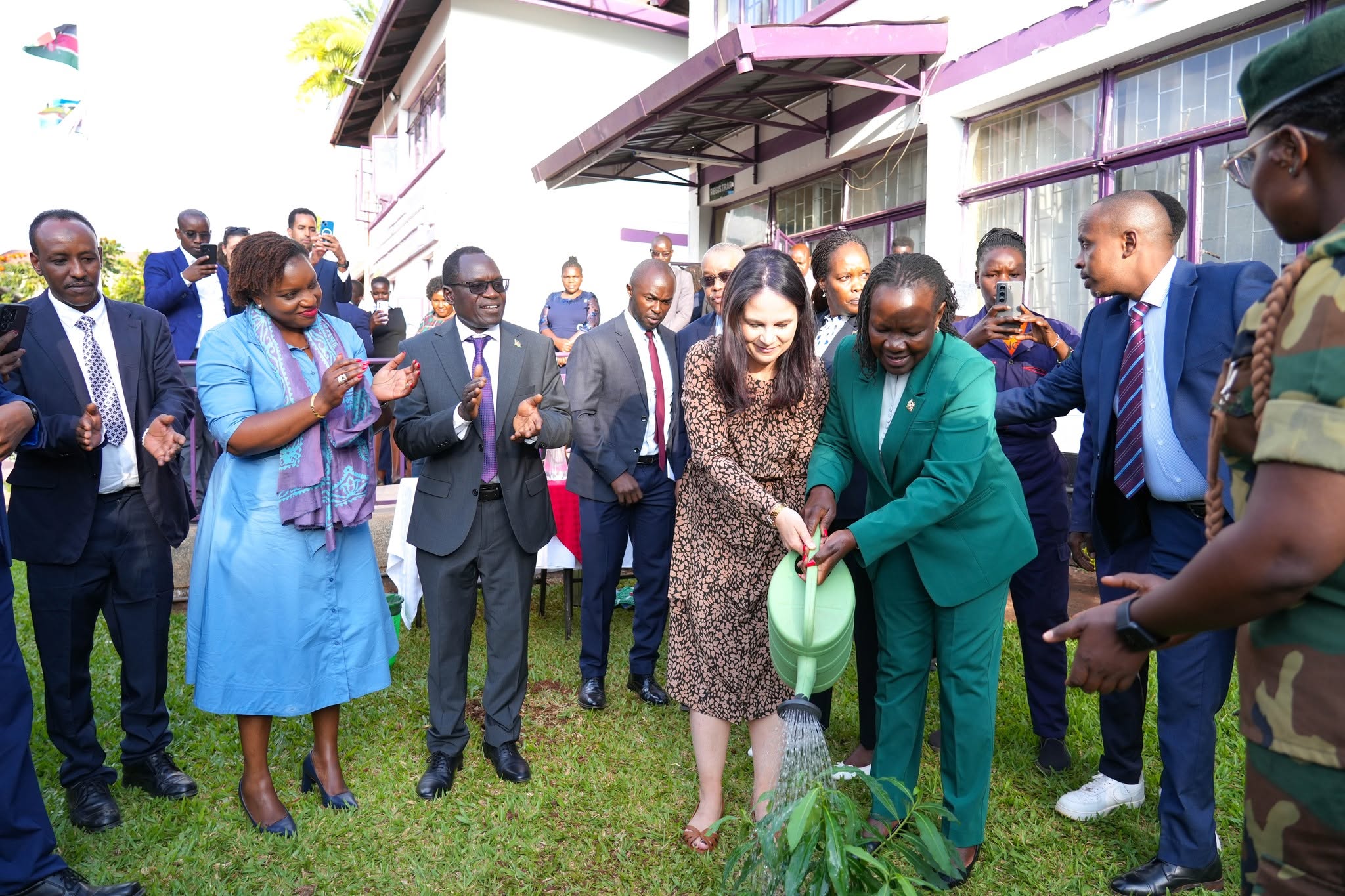
“This partnership bridges the gap between traditional technical training and the digital frontier. By transforming our TVET institutions into vibrant innovation hubs, we are ensuring that Kenyan youth are not only consumers of technology but also creators, innovators and leaders in the global digital economy,” she said.
One of the voices showing real outcomes was Winnie Achieng, a clinical officer from Kilifi, who showcased how local food products with extra value were developed using skills from the Kilifi Innovation Hub.
“Through DigiKen and the Kilifi Innovation Hub, I have gained the knowledge and confidence to transform my local resource innovations into a growing business,” Achieng said.
Digital Capability, Spread Across Government
The programme uses a cascade training method that brings public sector leaders and trainers together with sharper digital know how, so they can pass that learning down to communities around the country.
Vera Obonyo, Deputy Director at the Kenya School of Government’s eLearning and IT Institute, said the institution is taking a central role in helping digital transformation move forward.
“As the government’s implementing partner, the Kenya School of Government is empowering 20,000 public servants with the skills required to drive digital transformation and AI governance at scale,” Obonyo said.
Philip Omondi Ochola, Manager of the Jitume Hub Centre, added that the training gives facilitators usable skills so they can support learners properly.
“It empowers us to cascade knowledge on artificial intelligence, digital ethics, platform governance and transformation leadership across the hub network, significantly strengthening learner-centred services,” he said.
UN Leaders Applaud Kenya’s Digital Inclusion Push
The initiative impressed the visiting international figures, with Baerbock calling the stop a chance to see how UN backed work is landing in real life.
“The United Nations was established for the people and has always stood together with the people,” Baerbock said.
“Today in Kenya, I visited a material recovery facility supported by UN-Habitat and a digital innovation hub that brings together the work of four UN agencies. These projects demonstrate the power of joint delivery and the UN’s commitment to advancing the 2030 Agenda and the New Urban Agenda.”
About Author