Uasin Gishu Rights Advocates and Religious Leaders Demand CS Wandayi’s Resignation as Fuel Probe Intensifies
“CS Wandayi must step aside and record a statement to assist the DCI with the investigations. Leadership accountability is critical, and due process must be upheld,”
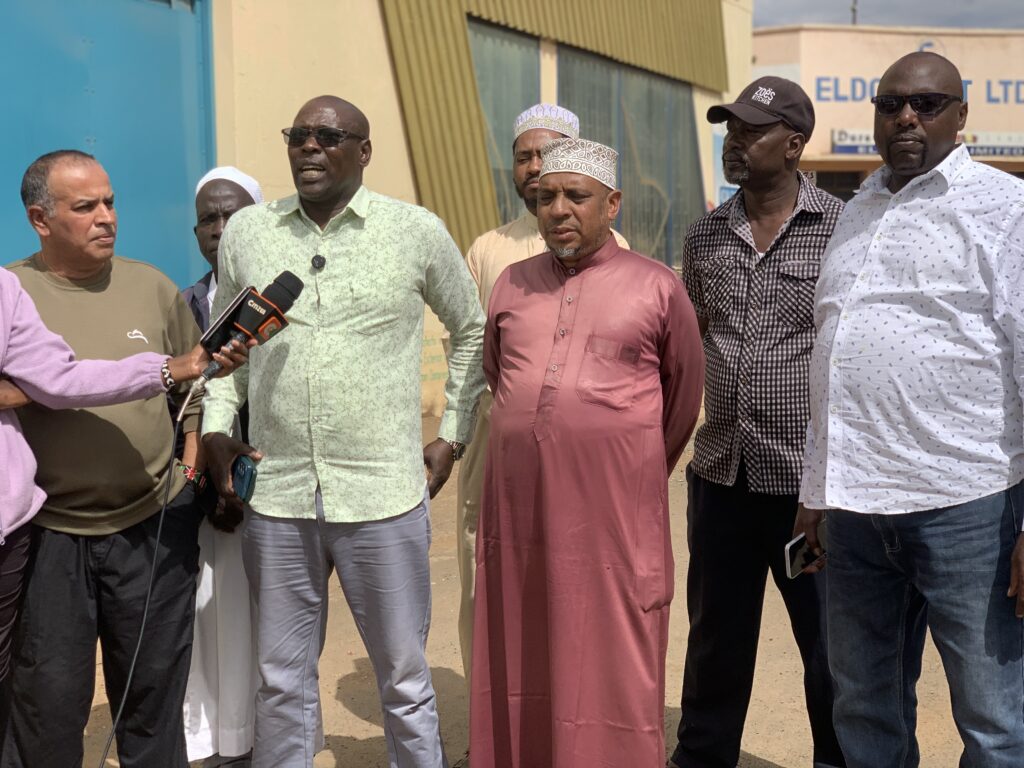
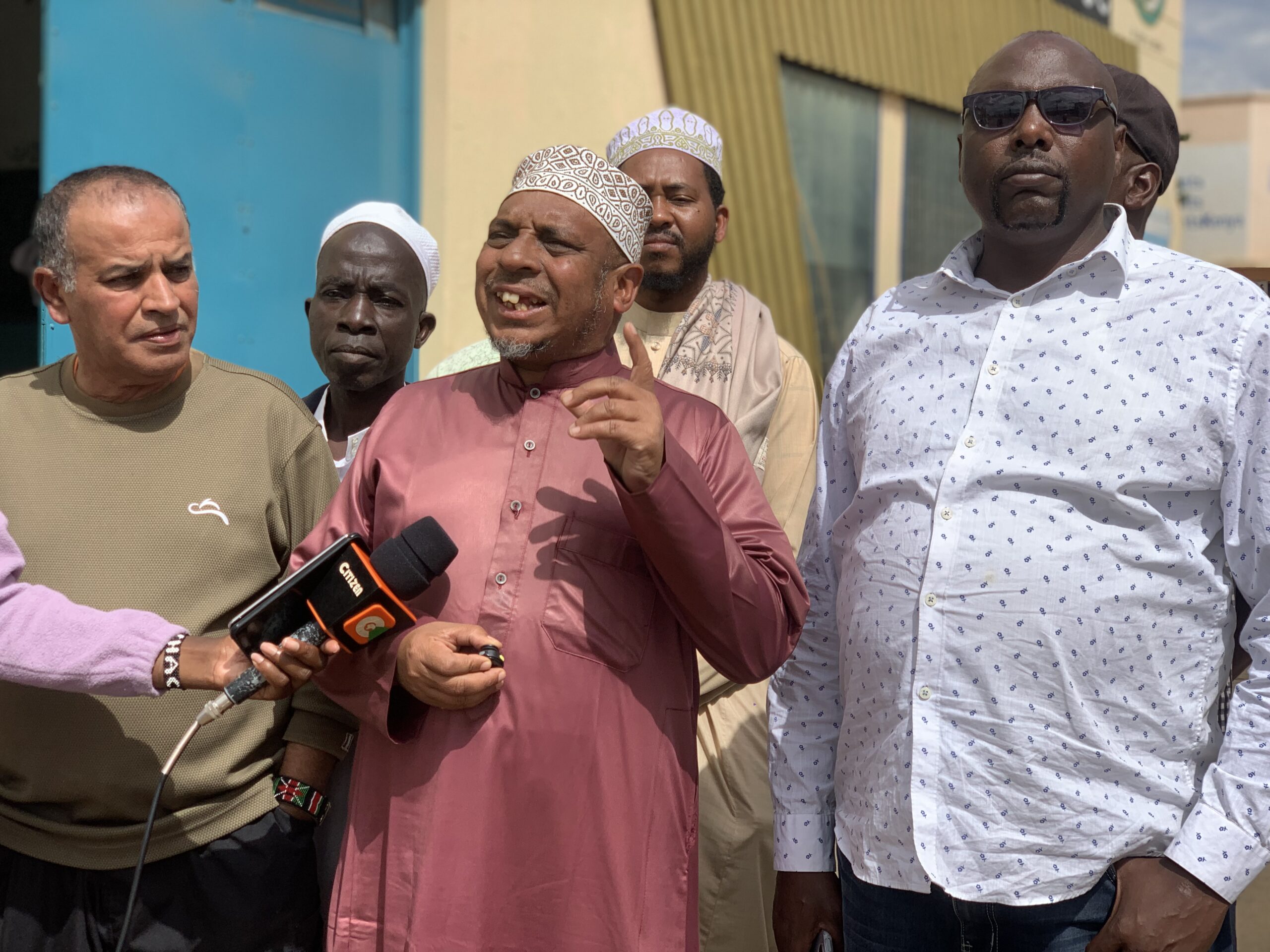
Uasin Gishu rights advocates and religious leaders address the media in Eldoret on Sunday, calling for transparency and accountability in the ongoing fuel importation probe and demanding CS Opiyo Wandayi step aside to assist investigations.
Uasin Gishu County rights advocates and religious leaders have intensified pressure on the Ministry of Energy and the Directorate of Criminal Investigations (DCI), calling for transparency, fairness, and accountability in the ongoing fuel importation controversy under the Government‑to‑Government (G‑to‑G) framework.
At the center of the debate is the DCI’s probe into alleged irregularities in emergency fuel imports, which has seen senior energy sector officials, including former Energy and Petroleum Regulatory Authority (EPRA) Director General Daniel Kiptoo, Petroleum Principal Secretary Mohamed Liban, Kenya Pipeline Company (KPC) Managing Director Joe Sang, and Petroleum Director Joseph Wafula questioned and, in some cases, detained. While some were later released on bond or medical grounds, rights advocates say the handling of the matter raises serious concerns over due process and selective accountability.
Led by Kimutai Kirui of the Centre Against Torture, the lobby groups are now demanding the resignation of Energy Cabinet Secretary Opiyo Wandayi, arguing that his continued silence undermines public confidence. “CS Wandayi must step aside and record a statement to assist the DCI with the investigations. Leadership accountability is critical, and due process must be upheld,” Kirui said.
Kirui also cautioned the DCI against targeting “small fish” while allowing “big fish” — those who continue to benefit from corrupt dealings — to remain shielded. “We cannot allow rogue elements within investigative agencies to create the impression that accountability is selective. Justice must be comprehensive, impartial, and evidence-based,” he added.
Religious leader Sheikh Abubakar Bini echoed these concerns, highlighting the questionable timing of some arrests. “Detaining officials over a long Easter weekend amounts to detention in practice and signals the risk of rogue DCI elements influencing proceedings. Investigations must remain professional, transparent, and impartial,” he said.
The rights advocates also raised critical questions about the G‑to‑G fuel import framework, which sources fuel directly from sovereign partners such as Saudi Aramco, ADNOC, and ENOC. They want clarity on whether disruptions — including reports that fuel previously sourced from Gulf countries is now coming from Europe, allegedly Belgium — affect the legality and viability of the program.
Economic concerns were also highlighted. The advocates noted that landing costs for G‑to‑G consignments have largely aligned with EPRA’s regulated pricing. Yet they questioned whether enforcement actions against sector leaders are being used as a “smoke screen” to justify subsidy removal or broader energy sector restructuring. “If EPRA has been enforcing rates that reflect actual costs, why are senior officials now being targeted? Is this a diversion to remove fuel subsidies?” asked Zulfikar Bachu.
Transparency around corporate beneficiaries of the G‑to‑G arrangement also remains a concern. Advocates are calling for full disclosure of the beneficial ownership of private firms engaged in the program, including Gulf Energy Limited, Asharami, Oryx, and BE Energy. “Kenyans have a right to know who benefits from these deals. Public trust hinges on clarity and accountability in ownership structures,” Bachu said.
The DCI has maintained that resignations from office do not exempt anyone from investigation or potential criminal liability. Investigations remain ongoing, with collaboration from local and international partners.
As pressure mounts, Uasin Gishu rights advocates and religious leaders are calling on government agencies to act swiftly and transparently. They insist that CS Wandayi must assist the DCI fully, ensure fairness, and step aside if necessary, while guaranteeing that the probe addresses both minor and major players in the fuel import dealings. Stakeholders emphasize that only impartial and evidence-based action will restore public confidence in Kenya’s energy sector.
About Author