World Food Programme aids aflatoxin test kits to Uasin Gishu County!
Aflatoxin is a naturally occurring toxin produced by the fungus Aspergillus flavus. The fungus can be recognized by a gray-green or yellow-green mold growing on corn kernels in the field or in storage-
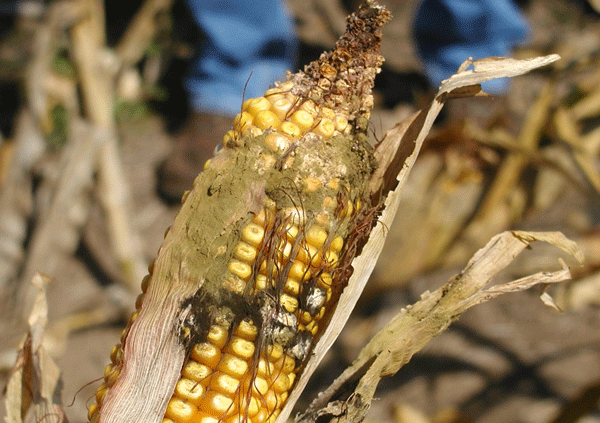
Severe-Aspergillus-ear-rot/Image Courtesy
The County Government of Uasin Gishu on Wednesday received assorted equipment from the World Food Programme to test the aflatoxin levels in the grains, a boost to the health sector in cautioning the residents against the food poisoning which has since been rampant leading to high rising cases of cancer.
Speaking while receiving the equipment, Health Services Executive Dr. Sam Kotut noted that they will now be able to test the aflatoxins found in grains, a relief to many farmers within the County who engage in planting various grains and for many years it has been a problem to check for aflatoxins.
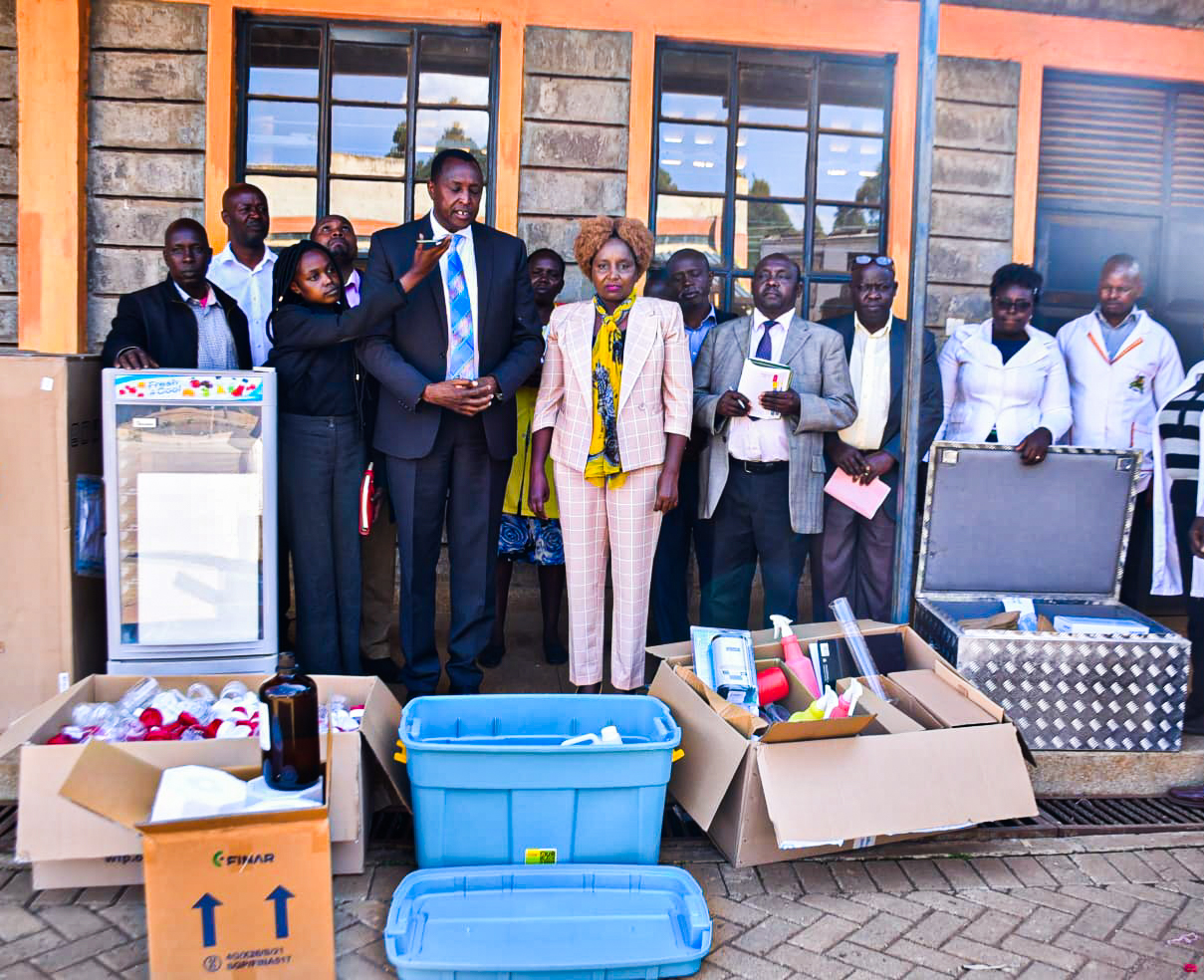
Aflatoxin tests kits donated by WFP
“The higher the moisture content the chances of aflatoxin. This is because we have only been testing the moisture content,” says Dr Kotut.
He further noted that they are building an arsenal of equipment to be used in measuring and improving healthcare and among the array of equipment are; bottles for taking samples, reagents to measure aflatoxins such as alcohol and a fridge for storage at Huruma sub-county hospital medical lab.
On her part, Chief Officer for Promotive and Preventive Health Mrs. Joyce Sang thanked the partner for the initiative saying that they aim to ensure each Sub-County receives the machines so that the community can test the levels of aflatoxins as well as achieve Governor Bii’s Nguzo Kumi Initiative on food security.
Aflatoxin is a naturally occurring toxin produced by the fungus Aspergillus flavus. The fungus can be recognized by a gray-green or yellow-green mold growing on corn kernels in the field or in storage
The causes and prevalence of aflatoxins have been grossly ascribed to poor agronomic practices, low education levels, and inadequate statutory regulation and sensitization.
Low diet diversity has aggravated exposure to aflatoxins in Kenya because maize as a dietetic staple is aflatoxin-prone.
About Author