Willis Otieno Criticizes Government Over Claims of Unaffordable Free Education
Kenya needs genuine leaders, not relics from a failed past. It’s time to break away and fight for a future that truly serves its citizens,
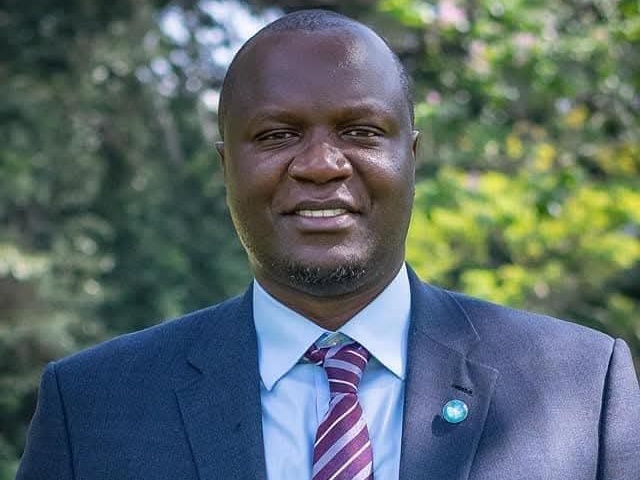
The lawyer also criticized long-serving politicians, whom he blamed for Kenya’s persistent lack of progress. Photo / K24 Digital
By Juliet Jerotich
Lawyer Willis Otieno has openly criticized the Kenyan government for asserting that offering free education and healthcare is financially unfeasible, despite its ability to allocate trillions annually to repay public debt.
In a statement released on Monday, July 28, 2025, Otieno questioned the government’s financial priorities, pointing out that it successfully raises over Ksh2 trillion each year to service both domestic and foreign debts—funds he argued largely stem from illegitimate or corruption-driven borrowing.
“It’s absurd that the government can comfortably find Ksh2 trillion to settle questionable and often stolen debt, yet insists it cannot raise Ksh344 billion to make education and healthcare accessible to all Kenyans,” Otieno said.
The lawyer also criticized long-serving politicians, whom he blamed for Kenya’s persistent lack of progress. According to Otieno, these legacy leaders have entrenched themselves in power for decades, romanticizing past struggles while amassing wealth through corrupt means.
“These veteran politicians are the root cause of Kenya’s stagnation. They glorify past struggles while clinging to stolen riches, preach democracy yet stifle dissent, and keep selling empty promises they’ve never fulfilled,” he remarked.
Otieno accused these political figures of rewriting history to safeguard their positions, comparing them to bad debts that keep resurfacing without offering any solutions for the nation’s challenges.
“They keep recycling themselves like bad debt—no innovation, just familiar faces with rebranded slogans. They resist fresh leadership because it threatens their entrenched impunity,” he added.
He further called on Kenyans to reject what he described as “dynastic entitlement and political arrogance,” stressing that the nation’s destiny should not remain hostage to a handful of influential families and entrenched political groups.
“We must end this culture of dynastic privilege and the arrogance of name brands. Kenya needs genuine leaders, not relics from a failed past. It’s time to break away and fight for a future that truly serves its citizens,” he urged.
Otieno’s remarks came shortly after Treasury Cabinet Secretary John Mbadi announced that the government could no longer sustain free primary and secondary education. This revelation has sparked nationwide concern over the future of education in Kenya.
When appearing before the National Assembly committee on July 24, Mbadi stated that the program had become unsustainable due to rising student numbers and limited financial resources. He revealed that the capitation grant for secondary school learners would now drop to Ksh 16,900 per student from the previous Ksh22,244.
“Currently, tuition and operational costs are Ksh1,420 per learner in primary school, Ksh15,042 for junior school, and Ksh22,244 for senior secondary education. With the existing fiscal pressures and emerging demands in the education sector, maintaining these rates is no longer feasible,” Mbadi explained.
Despite the challenges, he indicated that the government is exploring ways to adjust the funding framework to balance affordability and educational quality.
About Author