UK Warns Travellers of Fake Alcohol Risk in Kenya
They were advised to buy sealed bottles from trusted sources and avoid pre-mixed or home-made cocktails, which are chronic carriers of contamination.
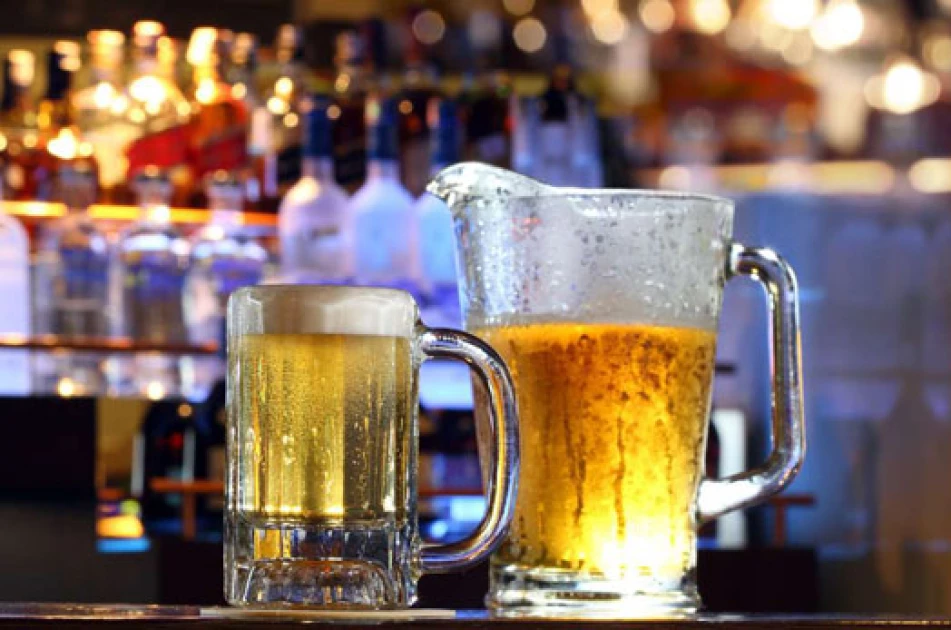
Medical professionals forecast that drinking only 30 millilitres of methanol will cause blindness or death within a time frame of 12 to 48 hours. Photo/FILE
By Ruth Sang
The United Kingdom released a new travel warning advising its citizens not to consume alcoholic drinks in Kenya, as reports of methanol poisoning of individuals whose alcoholic drinks were fake or had been spiked have been received. The FCDO issued the warning, having added Kenya to a growing list of countries where visitors have been exposed to spiked alcohol.
According to the FCDO, Kenya joins Nigeria, Uganda, Japan, Mexico, Peru, Ecuador, and Russia as new additions to the list of nations where instances of methanol poisoning among tourists have been recorded. The updated advice stands on the strength of previous guidance regarding nations such as Thailand, Laos, and Vietnam that have experienced a history of cases related to contaminated beverages.
FCDO explained how methanol, a toxic industrial alcohol employed in goods from paint thinner and antifreeze to cleaning fluids and medications, is illegally mixed with alcohol in a process of cheapening. Unlike ethanol, the alcohol safely used for human consumption, methanol is manufactured artificially and is highly poisonous even in small quantities.
Medical professionals forecast that drinking only 30 millilitres of methanol will cause blindness or death within a time frame of 12 to 48 hours. The substance is most dangerous because it is odourless and tasteless, yet almost imperceptible to the drug’s consumer. Symptoms of poisoning begin with vomiting, dizziness, nausea, and confusion before proceeding to serious stages like blurred vision, respiratory issues, and finally, organ failure.
Hamish Falconer, the British Minister of Consular and Crisis Affairs, urged British tourists visiting Kenya and other affected countries to be more cautious when consuming alcohol. They were advised to buy sealed bottles from trusted sources and avoid pre-mixed or home-made cocktails, which are chronic carriers of contamination.
In reply to the advisory, Kenya Bureau of Standards (KEBS) ensured the country that measures against methanol misuse are in place. In line with the agency, all the methanol available in Kenya is denatured using denatonium benzoate, one of the bitter compounds in the world, making it impossible to tell it from drinks alcohol.
“Every batch of methanol imported into Kenya is treated with denatonium benzoate, making it extremely bitter and unsuitable for use by mouth,” KEBS said.
Yet, in spite of these precautions, a Euromirror International report published in May 2024 reported that illegal alcohol comprises almost 60% of the total alcohol sales in Kenya. The trend was attributed to excessive taxation of legitimate alcoholic products, ready availability of cheaper illicit beers, and poor enforcement by local authorities.
With Kenya fighting against rampant production of alcohol, local and global authorities have equally emphasized the need for enhanced controls, consumer awareness, and enhanced punishment for offenders to protect consumers from harmful and fake drinks.
About Author